
24/7 Customer Support

Free returns

Same-day & Next-day Delivery

Quality Guaranteed

Unlock Your Welcome Offers: FREE Delivery | Up to 80% OFF | Free 30-day JoyPlus trial
Download the APP
Navigating the supermarket aisle for peanut butter can feel surprisingly complex. What was once a simple choice between smooth and crunchy has expanded into a dizzying array of options, from all-natural spreads to flavoured nut butters. While variety is welcome, it also opens the door to common buying pitfalls that can leave you with a product that doesn't meet your expectations for taste, health and value. As the Joybuy Product Recommendation Officer, my role is to help you see past the marketing and focus on what truly matters in the jar.
Many shoppers are caught out by a few common traps:
Understanding these points is the first step to choosing a jar you will be happy with, spoonful after spoonful.
To make an informed choice, it pays to look beyond the front label and analyse a few key parameters. These are the non-negotiable details that determine the quality, taste and nutritional profile of your peanut butter.
The ingredient list is the most revealing part of the packaging. For many, a key consideration is the type of oil used. Many brands use palm oil to create a smooth, homogenous texture that prevents the natural peanut oil from separating. However, due to environmental and health considerations, no palm oil peanut butter has become a popular choice. These versions typically use only the peanuts' own oil, which may require a good stir before serving.
Similarly, check for added sugars and salt. While a small amount of salt can enhance flavour, high levels of added sugar can turn a nutritious snack into a dessert-like spread. A truly natural peanut butter will have a very short ingredient list, sometimes just "100% peanuts."
The term 100% peanut butter is a specific declaration: it means the jar contains nothing but peanuts. These products offer the purest nutty flavour and are free from any additives. They are an excellent source of natural protein and healthy fats. The peanuts are simply roasted and ground into a paste. Be aware that this purity means the natural oils will separate over time, creating a layer on top. This is perfectly normal and is easily fixed by stirring the oil back into the butter. For an even richer profile, some premium brands use hi-oleic peanuts, which have a fatty acid profile similar to olive oil.
This is the classic debate, and the choice is entirely down to personal preference.
Nutritionally, the difference between the two is negligible. The decision simply comes down to how you prefer to enjoy your spread.
To help you find a product that suits your needs, we have matched a few options from our selection to different user profiles.
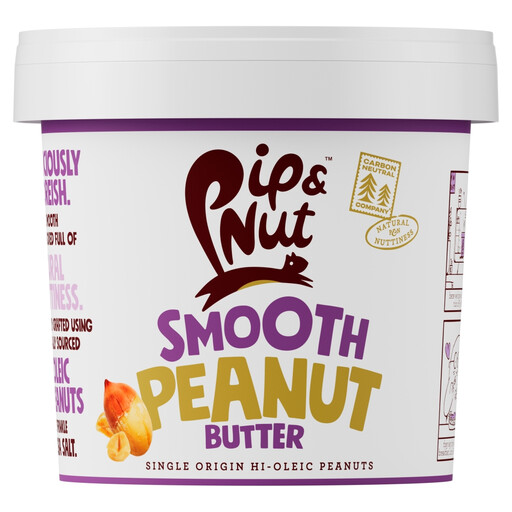
Why This Fits Their Persona: For the health-conscious individual or fitness enthusiast who gets through a lot of peanut butter, this bulk peanut butter tub offers great value. It's made with hi-oleic peanuts and is a go-to for those prioritising clean ingredients in their daily diet.
This product sidesteps the "healthy halo" trap with an exceptionally clean ingredient list: 99.5% peanuts and a pinch of sea salt. There is no palm oil or added sugar.
Made with high-oleic peanuts for a better fat profile. The 1kg peanut butter format is economical for regular users.
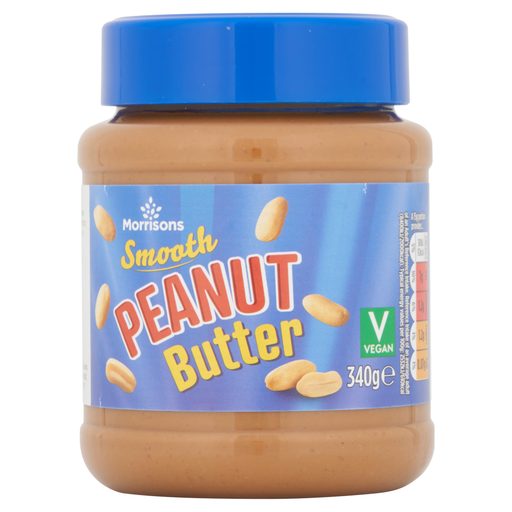
Why This Fits Their Persona: A practical and affordable choice for the daily breakfast rush and school lunchboxes. It delivers the classic taste and texture many families in the UK know and love, without the premium price tag.
While it contains palm oil and a little sugar for stability and taste, it avoids the low-quality filler trap by maintaining a very high 96% peanut content, offering good value.
Consistently smooth and spreadable straight from the cupboard with no stirring required. A reliable and economical pantry staple.
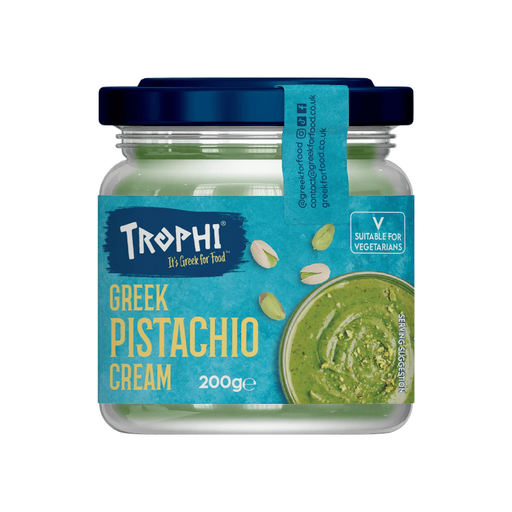
Why This Fits Their Persona: Perfect for the foodie who sees spreads as an ingredient, not just a topping. This pistachio and peanut cream is a luxurious nut butter alternative for elevating desserts, pastries or even a simple slice of toast into a gourmet treat.
This isn't trying to be a health food; it's an indulgent spread. It avoids disappointment by being clear about its purpose, delivering a rich, unique flavour profile based on a blend of 40% peanuts and 20% pistachios.
Offers a distinct and creamy pistachio flavour that stands out from traditional spreads. Highly versatile for use in baking and as a dessert filling.
We have compiled a complete, real-time list of products that fully satisfy these strict selection criteria and UK safety regulations.
Why does my natural peanut butter have oil on top? This is a sign of a truly natural product. In peanut butter made without emulsifiers or hydrogenated oils (like palm oil), the peanuts' natural oils will separate and rise to the top over time. It is not a sign of spoilage. Simply give it a thorough stir to recombine the oil with the peanut solids, and it will be ready to enjoy. Storing the jar upside down in the pantry can also help.
Is crunchy or smooth peanut butter healthier? The nutritional difference between smooth and crunchy peanut butter is minimal. Both offer similar amounts of protein, fat and fibre. Some argue that crunchy versions may have slightly more fibre due to the nut pieces, but the difference is generally not significant enough to be a deciding factor. The choice should primarily be based on your texture preference.
How can I use peanut butter besides on toast? Peanut butter is incredibly versatile. You can blend it into smoothies for a protein boost, whisk it into a savoury satay sauce for noodles or chicken, stir it into your morning porridge, use it as a dip for apple slices and celery sticks, or incorporate it into baking recipes for cookies, brownies and energy balls.