
24/7 Customer Support

Free returns

Same-day & Next-day Delivery

Quality Guaranteed

Unlock Your Welcome Offers: FREE Delivery | Up to 80% OFF | Free 30-day JoyPlus trial
Download the APP
From a simple spread on toast to a key ingredient in smoothies and savoury dishes, peanut butter is a staple in many UK households. Yet, the supermarket aisle presents a confusing array of choices. Jars labelled "natural" or "high protein" can sometimes hide ingredients that don't align with a health-conscious lifestyle. As your Joybuy Product Recommendation Officer, my role is to help you see past the marketing jargon and make an informed choice.
Before you add a jar to your basket, be aware of these common purchasing pitfalls:
To ensure you're getting a product that meets your needs, focus on these three key parameters. They will help you choose a quality peanut butter, whether you prefer crunchy peanut butter or smooth peanut butter.
The most straightforward peanut butters often have the shortest ingredients list. A genuine natural peanut butter should ideally contain one thing: peanuts.
If you open a jar of natural peanut butter and see a layer of oil on top, don't be alarmed. This is a good sign.
For fitness enthusiasts and those looking to increase their protein intake, peanut butter can be an excellent choice. To find a true high protein peanut butter, always compare the "per 100g" values on the nutritional panel. A good quality peanut butter typically contains between 24g to 30g of protein per 100g. Anything less may indicate a higher proportion of other ingredients like sugar or oil.
To simplify your decision, we've matched a few standout products to different user needs and preferences.
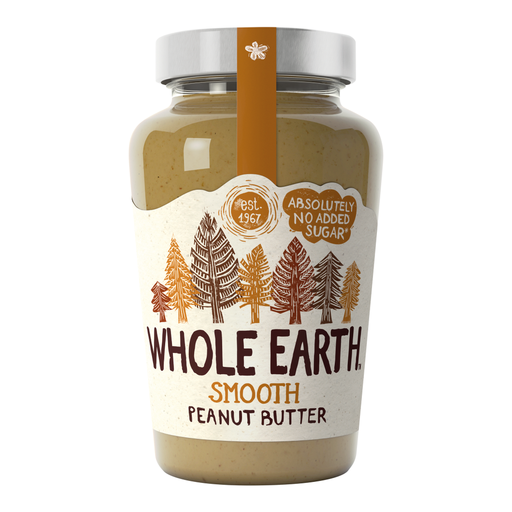
Why This Fits Their Persona: This is for the shopper who reads every label and wants nothing but peanuts in their jar. It's an ideal choice for clean eating, vegan diets and anyone looking to avoid all additives for a pure, unadulterated taste.
With an ingredients list that simply reads "Roasted Peanuts (100%)", it completely sidesteps the pitfalls of hidden sugars, palm oil and emulsifiers.
Delivers an impressive 29.6g of protein per 100g. The smooth texture is versatile for spreading, cooking and baking.
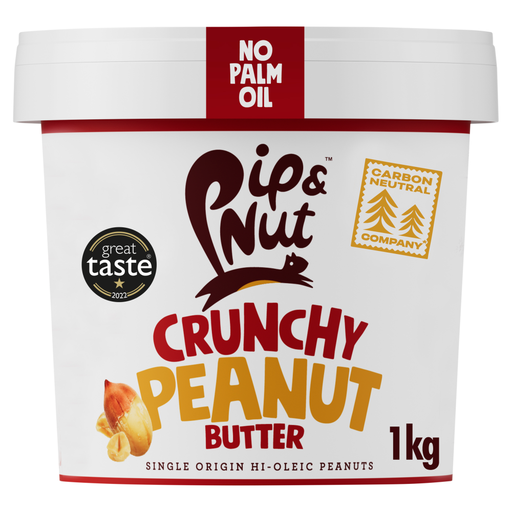
Why This Fits Their Persona: The large 1kg peanut butter tub is perfect for anyone who uses it daily. Its high protein content is excellent for post-workout recovery, and the crunchy texture adds a satisfying element to porridge or rice cakes.
This product is free from palm oil and added sugars. The ingredients are simple: 99.4% hi-oleic peanuts and a touch of sea salt, ensuring you get a clean, wholesome product.
Offers great value for heavy users and provides a solid 27g of protein per 100g. The use of hi-oleic peanuts provides a higher level of monounsaturated fats.
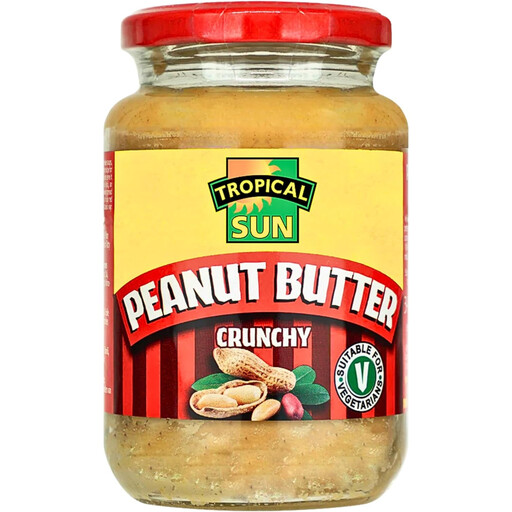
Why This Fits Their Persona: This is for the person who loves the classic, convenient peanut butter experience. It's perfect for those who want the **best peanut butter for toast** without the need to stir, offering a familiar taste and texture.
While it contains sugar and palm oil, its ingredients are clearly listed. This transparency allows shoppers who prioritise a consistent, no-stir texture to make an informed choice.
Provides a reliable, spreadable consistency straight from the jar. It still offers a good protein content (24g per 100g) and is often an accessible, affordable option.
We have compiled a complete, real-time list of products that fully satisfy these strict selection criteria and UK safety regulations.
This is completely normal and is a sign of a natural product. Peanut butter made without stabilising agents (like palm oil or other emulsifiers) will experience oil separation over time. The oil is from the peanuts themselves. Simply stir it back into the butter with a knife or spoon to restore its creamy consistency.
From a nutritional standpoint, the difference between crunchy and smooth is minimal. They generally have very similar calorie, protein and fat content. The choice comes down to personal preference and use. Smooth peanut butter is excellent for baking and sauces, while crunchy offers a more robust texture for spreads.
Always check the nutritional table on the back of the jar and look for the 'per 100g' column. This allows for a fair comparison between different brands and jar sizes. A product with over 25g of protein per 100g can be considered a high-protein option. Be wary of claims on the front that aren't supported by these figures.