
24/7 Customer Support

Free returns

Same-day & Next-day Delivery

Quality Guaranteed

Unlock Your Welcome Offers: FREE Delivery | Up to 80% OFF | Free 30-day JoyPlus trial
Download the APP
Discovering unwanted pests in your home can be unsettling. Whether it's a trail of ants in the kitchen, moths in the wardrobe or the buzz of a wasp indoors, the immediate reaction is to find a quick fix. However, rushing to buy the first pest control product you see can lead to wasted money and recurring infestations. As a Joybuy Product Recommendation Officer, my role is to help you navigate the options and select a solution that is effective for your specific situation.
Many people fall into a few common traps when buying pest control products. Understanding these can save you time and frustration.
bug spray UK might seem efficient, but it's often ineffective against specific pests. A formula designed for flying insects like mosquitoes may do very little to solve a deep-rooted ant or bed bug problem, which requires a different approach.To make an informed choice, focus on a few core parameters rather than marketing claims. This ensures the product you choose is right for the pest, the place and your peace of mind.
The first step is to correctly identify your pest. Different ingredients and formulations are designed for different types of insects.
wasp spray will often have a jet-stream nozzle for safer, long-distance application.ant killer powder can be applied along trails and into crevices, creating a barrier that targets the nest. Baits work by being carried back to the colony, helping to manage the source.moth killer products, like moth balls or targeted sprays, are needed to protect clothing and textiles. These often contain active ingredients like transfluthrin that work over a longer period in enclosed spaces like wardrobes.flea killer for home might involve a combination of a spray for surfaces and a dedicated trap, while a bed bug treatment often relies on interceptor traps and powders for mattresses and furniture.The format of the product determines how and where it can be used effectively.
insect killer spray is a staple for dealing with flies or a single cockroach quickly.sticky traps for monitoring and catching insects without chemicals, or more advanced light-based traps for fleas. They are excellent for identifying the scale of a problem and for use in sensitive areas.mosquito repellent plug-in or a personal bug spray UK with DEET is designed to deter insects rather than kill them, making them suitable for bedrooms or for personal protection when travelling or outdoors.Always read the label. A product's suitability depends heavily on where you plan to use it. Check for specific instructions regarding:
Instead of a single "best" product, the right choice depends on your specific needs. Here are our recommendations matched to common UK household scenarios.
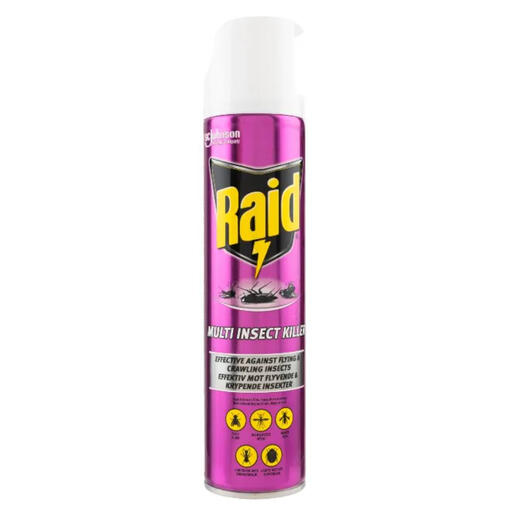
Why This Fits Their Persona: This user needs a reliable, straightforward solution for the common pests that appear unexpectedly in a typical UK home—flies in the summer, the odd spider or cockroaches. They value speed and versatility for immediate problems.
It avoids the "one-size-fits-all" trap by being clearly marketed for a broad but common range of flying and crawling insects, not for specialised infestations like bed bugs or moths, ensuring expectations are met.
Its fast-action formula provides rapid results on contact. The pleasant fragrance is a notable improvement over the harsh chemical smells of many traditional insecticides.

Why This Fits Their Persona: This person is dealing with a specific, high-stress pest: bed bugs. They need a solution that is discreet, effective for monitoring and can be used in the most sensitive area of the home—the bedroom.
This product directly counters the "quick fix" trap. It is a long-term monitoring and prevention tool, not just a spray. Its poison-free design avoids the safety pitfall of applying harsh chemicals to bedding areas.
The twin-chamber design physically traps bed bugs attempting to climb into bed, providing clear evidence of an infestation. It is chemical-free, odourless and reusable.

Why This Fits Their Persona: This user cares for their indoor plants and needs to tackle common pests like aphids, whitefly and scale insects without harming their prized greenery. They need a product specifically formulated for horticultural use.
It avoids the pitfall of using a generic household insecticide on plants, which can cause leaf burn and damage. Its formulation is designed for use on ornamentals and even some edible plants, addressing a specific safety concern.
It provides up to 8 weeks of protection, addressing the need for long-term control. The formula stops pests from feeding within an hour, preventing further damage quickly.
We have compiled a complete, real-time list of products that fully satisfy these strict selection criteria and UK safety regulations.
1. How long do pest control sprays last after application? This varies significantly. Contact sprays are designed to work almost instantly but offer little to no residual effect. Other surface sprays, like those for carpet beetles or ants, are formulated to remain active for several weeks or even up to 3 months. Always check the product description for information on "long-lasting protection" or "residual control."
2. Are chemical-free pest control products like sticky traps effective? Yes, for certain applications. Chemical-free options like sticky traps or interceptor traps are highly effective for monitoring pest activity and for capturing insects in sensitive areas. For example, yellow sticky traps are excellent for fungus gnats in houseplants, while bed bug interceptors are a key part of any management plan. They work by physically trapping pests rather than through chemical action.
3. Can I use the same product for both my house and garden? Generally, it is not recommended unless the product is explicitly labelled for both indoor and outdoor use. Garden insecticides may be too potent or not formulated for indoor surfaces, while indoor products may not be weather-resistant enough for outdoor conditions. Using a product like a houseplant bug killer, which is often suitable for indoor pots, greenhouses and outdoor ornamentals, is a safer choice. Always read the label to confirm approved usage areas.