
24/7 Customer Support

Free returns

Same-day & Next-day Delivery

Quality Guaranteed

Unlock Your Welcome Offers: FREE Delivery | Up to 80% OFF | Free 30-day JoyPlus trial
Download the APP
As a pet owner, choosing the right food and water bowl seems simple. Yet, many of us have a cupboard of unused bowls that slid across the floor, were impossible to clean, or were simply ignored by our furry companions. The market is filled with options, but not all are created equal. Before you make another purchase, it's worth understanding the common pitfalls that lead to wasted money and frustration.
My role as Joybuy’s Product Recommendation Officer is to help you navigate these choices. This guide cuts through the marketing clutter to focus on what truly matters for your pet's health and your convenience.
Many bowls look great on the shelf but fail in practice. Here are three frequent issues UK pet owners encounter:
To avoid these traps, focus on a few key parameters. Getting these right ensures you are investing in a product that is safe, durable and suited to your pet.
The material of a pet bowl dictates its durability, hygiene and weight. Each has its own set of considerations.
Beyond material, the bowl's design should match your pet's needs and behaviour.
Based on these practical criteria, here are a few options from our catalogue matched to different owner profiles and needs.
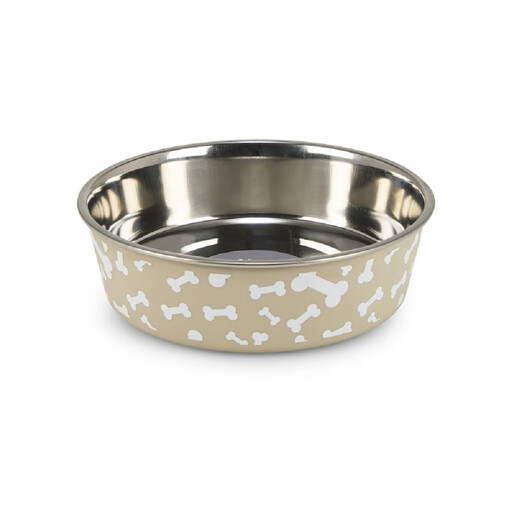
Why This Fits Their Persona: This owner needs a reliable, no-fuss bowl for daily use. It must be durable, easy to clean and stay put. This bowl's combination of a hygienic steel interior and a sturdy non-slip base is ideal for the busy UK household.
The polished stainless steel interior directly counters the hygiene trap of porous materials. Its smart rubber base ring provides genuine grip, solving the "non-slip" illusion.
Combines a hygienic stainless steel inner with a durable resin outer. It is fully dishwasher safe for effortless cleaning.
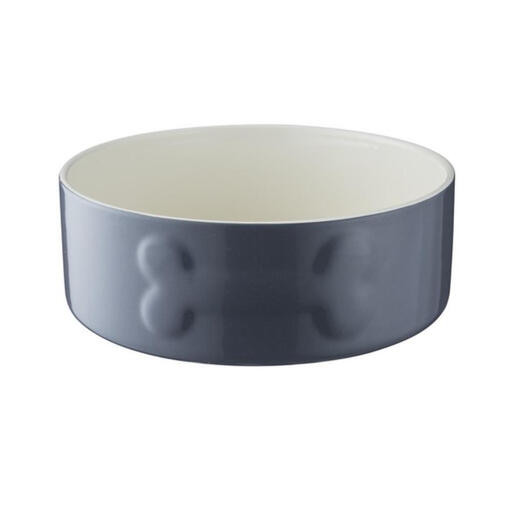
Why This Fits Their Persona: This person values aesthetics and wants pet accessories that complement their home. The classic, elegant design of a Mason Cash bowl is a perfect fit, offering heritage and style without compromising on practicality.
Its heavyweight stoneware construction provides natural stability, making it tip-resistant. The high-quality, food-safe glaze ensures a non-porous surface, avoiding the hygiene trap of cheaper ceramics.
Made from durable, chip-resistant stoneware. It is safe for use in the dishwasher for easy cleaning.

Why This Fits Their Persona: This owner has a pet with specific needs, such as eating too fast or requiring an elevated feeder for health reasons. They need a functional solution that addresses these issues directly. This 2-in-1 system is a highly practical and adaptable choice.
It directly counters the "one-size-fits-all" fallacy by offering four adjustable height settings and a dedicated slow-feeder design, providing a tailored solution rather than a generic bowl.
A dual-bowl system with a slow feeder and a stainless steel bowl. The stand is foldable for easy storage and offers four height levels (10cm to 31cm).
We have compiled a complete, real-time list of products that fully satisfy these strict selection criteria and UK safety regulations.
1. How often should I clean my pet's bowl? For wet food, bowls should be cleaned after every meal to prevent the rapid growth of bacteria. For dry food and water, a thorough cleaning at least once a day is recommended. A dishwasher safe pet bowl can make this daily task much simpler.
2. Are raised dog bowls a good idea for all dogs? Not necessarily. While raised dog bowls can offer significant comfort for large, senior or arthritic dogs by reducing neck strain, they may not be suitable for all breeds. Some studies have explored a potential link between elevated feeders and bloat in certain deep-chested breeds. It is always wise to observe your dog's posture and comfort and, if you have concerns, consult your vet.
3. What is the difference between dog bowls and cat bowls? The main difference lies in the depth. Cat bowls are typically shallower and wider to prevent "whisker fatigue," a condition where a cat's sensitive whiskers repeatedly touch the sides of a deep bowl, causing stress. Dog bowls vary greatly in size and depth to accommodate the vast range of dog breeds and sizes.