Outdoor route checkers
If you read forecast maps or Met Office warnings during walks, rides or stops along a journey, prioritise a screen you can assess in daylight and check the phone’s stated water-resistance conditions.


Choose around the part of a journey most likely to make weather checks difficult: outdoor screen readability, time away from a charger or the ease of carrying the phone. Apple lists a lighter iPhone 17, while Google publishes a 24+ hour battery-life claim for Pixel 10; neither specification establishes battery life during continuous route use. The Met Office app is available on iOS and Android, but drivers must not hold a phone to check it while driving.
If you read forecast maps or Met Office warnings during walks, rides or stops along a journey, prioritise a screen you can assess in daylight and check the phone’s stated water-resistance conditions.
If weather checks share battery power with navigation and mobile data, compare the exact phone’s battery claim and charging requirements. A published duration is not a promise of runtime on your route.
Set weather locations and the route before driving. GOV.UK says drivers must not hold a phone or sat-nav while driving; even hands-free use must not distract you from controlling the vehicle.
For weather checks along a UK route, decide which need takes priority, then compare the exact handset under the conditions in which you will use it.
| Concern | What to check | Who this matters to |
|---|---|---|
| Outdoor readability | Compare the exact display’s stated outdoor or peak brightness, and try reading a weather map outside if possible. | At a daylight stop, I need to make out warning details on the screen; around 36% of consumers put outdoor readability first. |
| Battery and charging | Check the battery claim’s usage conditions and whether your charger or power bank meets the phone’s charging requirements. | When navigation, mobile data and weather checks all share one charge, I want enough power for the journey; roughly 29% of consumers prioritise battery and charging. |
| Wet-weather handling | Read the exact model’s ingress rating and test conditions; plan dry storage for sustained wet conditions. | If rain is likely while I am travelling, I need to know the limits of the phone’s protection; about 21% of consumers make wet-weather handling their primary concern. |
| Carrying and setup | Compare dimensions and weight, and check that any driving mount fits securely before setting off. | I need a phone that is manageable to carry and can be set up before I drive; around 14% of consumers put carrying and setup first. |
A manufacturer’s brightness figure does not establish how easily you will read every weather map outdoors.
Compare figures for the exact models, then try the display in daylight where possible.
Google’s 24+ hour claim for Pixel 10 does not establish runtime with navigation, location use, mobile data and a bright screen together.
For a long journey, consider how you will recharge and check that your charging equipment is compatible.
Google says the charger required for Pixel 10’s stated rapid-charging result is sold separately: it must be a 30W USB-C PPS charger or higher.
GOV.UK says holding a phone or sat-nav while driving is illegal. THINK! also warns that distracting hands-free use can lead to prosecution if it affects safe driving.
Check the forecast and set locations before moving; pull over safely if you need to change what you are viewing.
Apple’s IP68 rating for iPhone 17 applies under specified laboratory conditions, not every exposure during a wet journey.
Check the chosen model’s water-resistance terms and use dry storage when conditions call for it.
An iOS option for consumers who favour a lighter handset and a stated outdoor-brightness specification.
An Android option for consumers comparing a published battery claim with daylight display specifications.
A Galaxy option for consumers who prefer Samsung’s interface or already use Galaxy accessories.
These phones offer different starting points for checking weather along a route, from stated Pixel 10 and iPhone 17 display specifications to other Android models. Compare the exact variant and the checks that matter most to your journey.
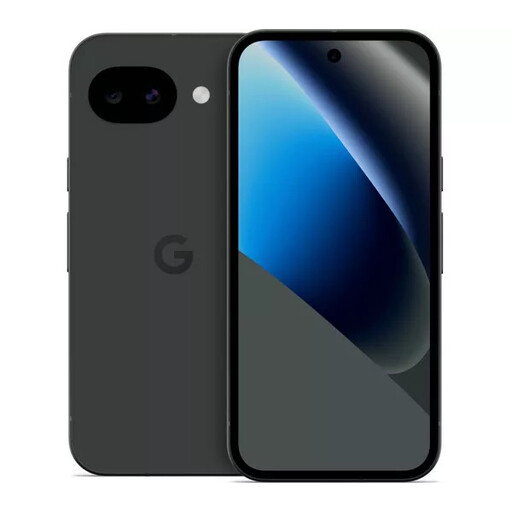 No image available
An Android option to consider for weather checks along a route. Confirm the exact model’s outdoor display, battery and water-resistance specifications against your needs.
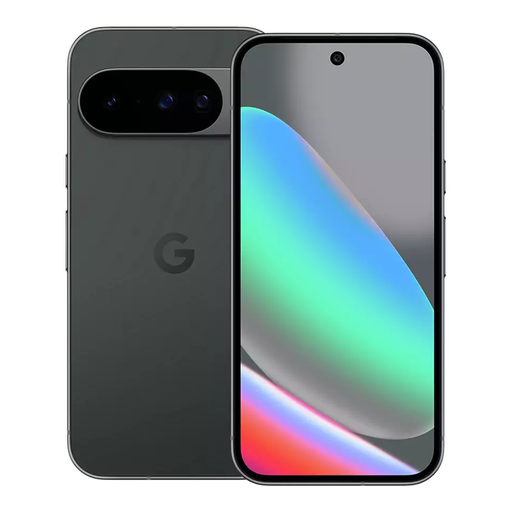 No image available
Consider this Android phone if daylight map checks and a published battery benchmark matter to you. Google lists up to 3,000 nits peak brightness and a 24+ hour battery-life claim for Pixel 10; neither figure guarantees visibility or runtime throughout your route.
Google lists a typical 4,970 mAh battery and says its stated rapid-charging result requires a 30W USB-C PPS charger or higher, sold separately.
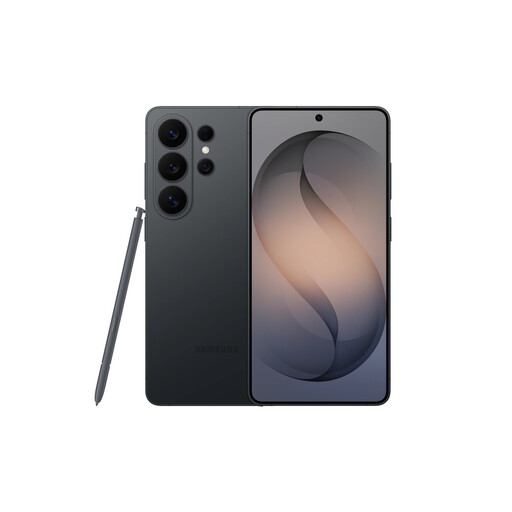 No image available
Consider this Galaxy variant if Samsung’s interface or your existing Galaxy accessories influence the choice. Check the exact S26 Ultra variant’s display, battery and ingress specifications before relying on it for outdoor route checks.
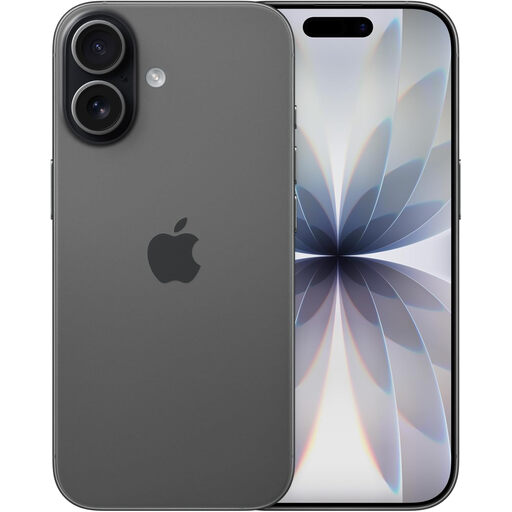 No image available
Consider iPhone 17 if you prefer iOS and want a lighter phone for stops along a route. Apple lists a 177 g weight, a 6.3-inch display and up to 3,000 nits outdoor brightness.
Apple rates iPhone 17 IP68 under IEC 60529, with a stated maximum depth of 6 metres for up to 30 minutes. That laboratory rating does not guarantee protection in every wet-weather situation.
 No image available
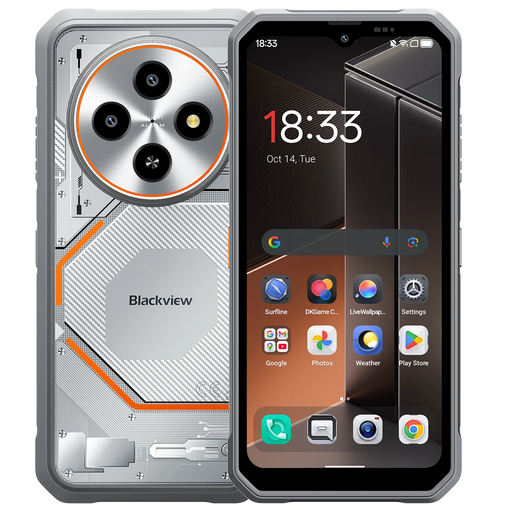
Consider this Android 15 phone if its stated GPS feature and 6.56-inch HD+ display fit the way you plan to check route weather. Its name also states a 5000 mAh battery, but capacity alone does not establish runtime during navigation and weather checks.
Check the conditions behind its stated IP68 rating before relying on it in wet weather.
Yes. The Met Office says its weather app is available on iOS and Android devices, so your operating-system preference need not decide whether you can use that app.
No. GOV.UK says it is illegal to hold a phone or sat-nav while driving. Set up your route and weather locations before moving, and pull over safely if you need to make changes; hands-free use must not distract you from driving safely.
Check the forecast along your route and any relevant Met Office warnings. Its warning information covers conditions including rain, wind, snow and fog, and individual warnings describe expected impacts and their likelihood.
No. Apple rates iPhone 17 IP68 under IEC 60529, with a stated maximum depth of 6 metres for up to 30 minutes in test conditions. The rating does not establish protection from every real-world exposure, so check Apple’s care guidance for the phone.
Google specifies a 30W USB-C PPS charger or higher for that Pixel 10 charging result and says the charger is sold separately. Check compatibility if you plan to use an existing charger or a vehicle power accessory.