
24/7 Customer Support

Free returns

Same-day & Next-day Delivery

Quality Guaranteed

Unlock Your Welcome Offers: FREE Delivery | Up to 80% OFF | Free 30-day JoyPlus trial
Download the APP
From the sharp tang of a classic British piccalilli in a ploughman's lunch to the fiery crunch of Korean kimchi in a bowl of noodles, pickles and preserves are the unsung heroes of the pantry. They can transform a simple meal into something memorable. However, the growing variety on supermarket shelves can be overwhelming. Navigating labels that promise "authentic" flavours or "traditional" recipes can often lead to disappointment and wasted money.
As a Joybuy Product Recommendation Officer, my role is to help you sidestep the common pitfalls and find the products that genuinely deliver the flavour and texture you're looking for. Let's break down what really matters.
Before you add a jar to your basket, be aware of a few common issues that can lead to buyer's remorse:
Chinese pickles or Korean food are often adjusted for a different palate. This can mean they are overly sweet or lack the distinctive sour or spicy punch you might be expecting, leaving you with a bland imitation rather than the real deal.pickled vegetables contain far more than necessary. This not only impacts the flavour, turning what should be sour pickles into a sweet condiment, but it can also be a concern for those monitoring their intake.To avoid these traps, focus on a few key parameters. Analysing these details will help you match the right product to your culinary needs.
The method used to preserve the vegetables dictates their final flavour and texture.
Chinese pickles, vegetables are cured in salt and sometimes packed in oil with spices. This method creates a concentrated, salty and savoury flavour with a texture that can range from crunchy to tender.Look beyond the front-of-pack claims and check the ingredient list and nutritional information.
sour pickles or savoury preserved vegetables, check the "sugars" value per 100g. A high sugar content can indicate a product tailored for sweetness rather than tang.piccalilli, while gochugaru (Korean chilli powder) is a hallmark of kimchi. For Japanese condiments like sushi ginger, you'll often find ginger as the primary ingredient, with vinegar and a sweetener.To help you choose, we've matched some reliable options to different tastes and uses, based on their clear labelling and consistent quality.
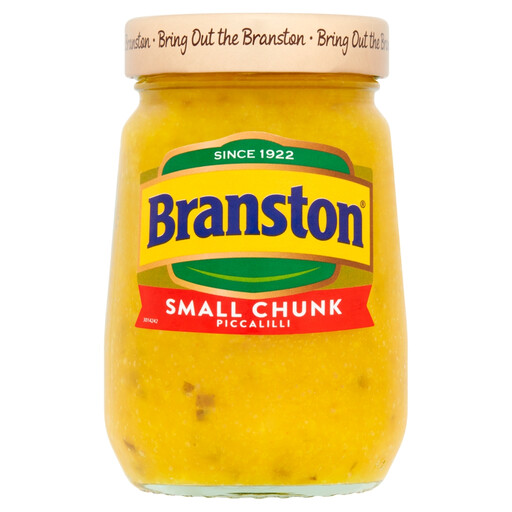
Why This Fits Their Persona: This is for the home cook who loves classic British flavours. It's the perfect tangy, crunchy condiment to cut through the richness of cheese or ham in a traditional sandwich or ploughman's lunch.
It sidesteps the "authenticity mismatch" trap by being exactly what it claims to be: a classic British piccalilli. The flavour is predictable and reliable, delivering the expected tangy mustard kick.
Features a crunchy mix of cabbage, shallots and gherkins in a distinctive tangy mustard sauce. The small chunks are ideal for spreading in sandwiches.
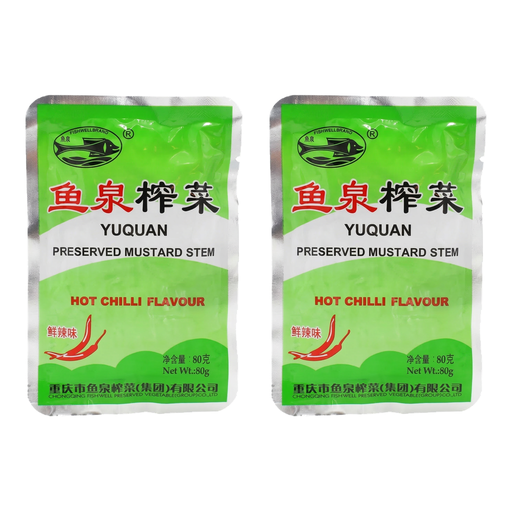
Why This Fits Their Persona: Ideal for someone wanting to add an instant, authentic hit of flavour and texture to noodles, rice or porridge. This is a classic Chinese condiment that provides a savoury, spicy crunch.
This product avoids the soggy texture trap. Preserved mustard stems are known for their firm, crunchy texture, which holds up well. The "Hot Chilli Flavour" label is also a clear indicator of its spicy profile.
Ready-to-eat convenience. It provides a complex flavour—salty, spicy and savoury—that instantly elevates simple dishes without any extra preparation.
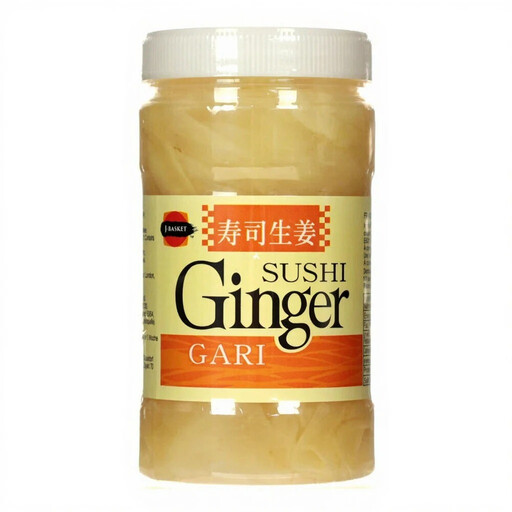
Why This Fits Their Persona: Essential for anyone making sushi or sashimi at home. This white sushi ginger (gari) is designed specifically as a palate cleanser, offering a refreshing, tangy-sweet crunch between bites.
It avoids the hidden additives trap. As a "white" ginger, it doesn't contain the artificial colouring found in some pink versions. The ingredient list is simple and focused on its purpose as a palate cleanser.
Delivers a crisp texture and a balanced sweet-and-sour flavour that enhances, rather than overpowers, the taste of fish and rice. It's a specific tool for a specific job.
We have compiled a complete, real-time list of products that fully satisfy these strict selection criteria and UK safety regulations.
1. How long do pickles and preserves last after opening? This varies greatly, so always check the product label for specific guidance. As a general rule, vinegar-based pickles like gherkins can last for several weeks in the fridge if stored correctly. Fermented products like kimchi and salt-preserved vegetables should also be refrigerated and consumed within the timeframe recommended on the packaging, often a few weeks. Always use a clean utensil to avoid introducing bacteria.
2. What is the difference between pickled and fermented vegetables? Pickling typically refers to preserving food in an acidic brine, usually involving vinegar. This is a quick process that gives products like gherkins their sharp, tangy flavour. Fermentation, used for kimchi, is a slower process where natural bacteria convert sugars into lactic acid. This not only preserves the food but also creates a more complex, deep and tangy flavour profile.
3. Can I use any type of pickle in any dish? While you can always experiment, different pickles are designed for different purposes. A sweet, sharp piccalilli is a classic pairing for a cheddar cheese sandwich but would be out of place in a Korean stew. Likewise, the delicate, palate-cleansing flavour of sushi ginger is meant to be eaten between bites of sushi, not as a primary ingredient in a stir-fry. Matching the pickle's origin and flavour profile to your dish is key.