
24/7 Customer Support

Free returns

Same-day & Next-day Delivery

Quality Guaranteed

Unlock Your Welcome Offers: FREE Delivery | Up to 80% OFF | Free 30-day JoyPlus trial
Download the APP
Waking up with a stiff, aching neck is a frustratingly common experience that can disrupt your entire day. While many factors can contribute to neck pain, the pillow you use every night plays a crucial role in either causing or alleviating discomfort. An unsupportive pillow can force your neck into an unnatural position, leading to strain on your muscles and spine.
As a Joybuy Product Recommendation Officer, my role is to help you navigate the options and understand what makes a pillow suitable for promoting better sleep posture. This guide will walk you through key features to consider and present a selection of pillows designed to offer improved support and comfort, helping you find a better match for your needs.
Finding the right pillow is a personal journey, but a few key principles can guide your decision. Focusing on support, material and your sleeping style will help you narrow down the choices.
Your primary sleeping position is the most important factor in determining the right pillow height, also known as loft.
The filling inside a pillow dictates its feel, support and other properties.
Beyond basic support, certain features can significantly improve your sleep quality.
Based on features that address support, comfort and common sleep concerns, here are our recommendations for those seeking relief from neck pain.
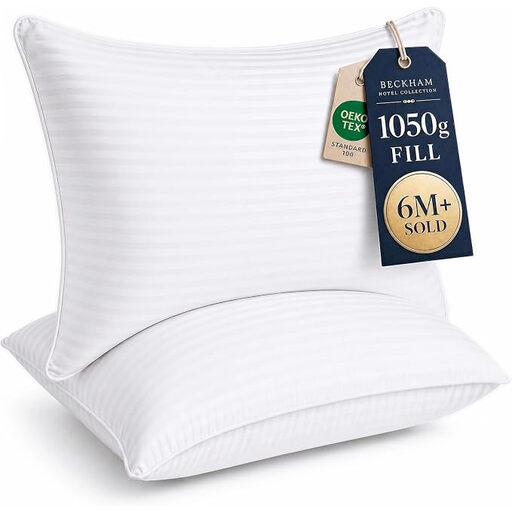
Why It Stands Out: These pillows offer a plush, hotel quality pillows experience combined with practical features. The down-alternative hollowfibre filling is designed to provide a consistent medium firmness that resists clumping, while the 100% cotton cover enhances breathability, making it a great option for hot sleepers.
Pros:
Who is it for? Sleepers looking for a versatile, hotel-style pillow that offers balanced support for back, side or stomach sleeping. It's also an excellent choice for allergy sufferers and those who value easy-care bedding.
View the Beckham Hotel Series Pillows

Why It Stands Out: The Emma Adapt is the ultimate adjustable pillow, designed for truly personalised comfort. It contains three removable foam layers, allowing you to fine-tune the height and firmness to perfectly match your body and sleeping style. This adaptability makes it a strong contender for anyone struggling to find the right support.
Pros:
Who is it for? Combination sleepers, or anyone who has struggled to find a pillow with the right height. Its customisability makes it a fantastic orthopaedic pillow UK option for those seeking tailored neck support.
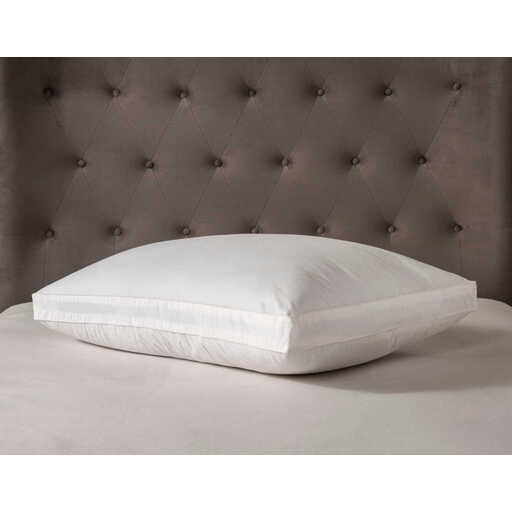
Why It Stands Out: This pillow is specifically engineered for side sleepers. Its defining feature is the gusseted box border, which creates vertical sides that prevent the pillow from flattening at the edges. This construction provides consistent, elevated support across the entire surface, which is crucial for keeping a side sleeper's spine aligned.
Pros:
Who is it for? Primarily designed for side sleepers who need a structured and consistently supportive side sleeper pillow to maintain healthy neck and shoulder alignment.
View the NightComfort Premium Box Pillow
While these selections address common needs for neck pain relief, the perfect pillow is a very personal choice. If you're still exploring or have different requirements, our broader collection might have just what you're looking for.
Browse our full range of Head Cushion options to find your perfect match.
For side sleepers, the key is to maintain a straight line from your head to your spine. This typically requires a firmer, higher-loft pillow that adequately fills the gap between your shoulder and head. Pillows with a box edge or gusset, like the NightComfort model, are specifically designed for this purpose. An adjustable pillow like the Emma Adapt is also an excellent choice, as it allows you to add layers to achieve the necessary height.
A memory foam pillow can be a very effective choice for neck pain because it contours to the unique shape of your head and neck, distributing weight evenly and relieving pressure points. This can help hold your neck in a neutral position. If you tend to sleep hot, look for modern memory foam pillows that incorporate cooling pillow technologies like gel infusions or open-cell structures to improve breathability.
As a general guideline, it is recommended to replace your pillow every one to two years. Over time, pillows lose their loft and supportive qualities. They also accumulate dust mites, oil and skin cells, which can affect hygiene and trigger allergies. A simple test is to fold your pillow in half—if it doesn't spring back to its original shape, it's likely time for a replacement.