
24/7 Customer Support

Free returns

Same-day & Next-day Delivery

Quality Guaranteed

Unlock Your Welcome Offers: FREE Delivery | Up to 80% OFF | Free 30-day JoyPlus trial
Download the APP
Waking up with a stiff, aching neck is a frustratingly common experience that can disrupt your day before it even begins. While many factors can contribute to neck pain, the pillow you use every night plays a crucial role in either preventing it or making it worse. An unsupportive pillow can force your neck into an unnatural position, leading to strain, discomfort and poor sleep quality.
Finding the right pillow for neck pain is about ensuring your head, neck and spine remain in neutral alignment throughout the night. This guide is designed to help you understand what to look for and to highlight some carefully selected options that prioritise support and comfort. As the Joybuy Product Recommendation Officer, my goal is to provide clear, practical advice to help you make an informed choice.
Navigating the world of pillows can be confusing. To simplify your search, focus on these key considerations.
How you sleep is the most important factor in determining the right pillow shape and height.
The filling of a pillow determines its feel, support and durability.
Modern pillows often come with features designed for enhanced comfort and support.
Based on features that promote support and alignment, here are our recommendations for those seeking relief from neck discomfort.
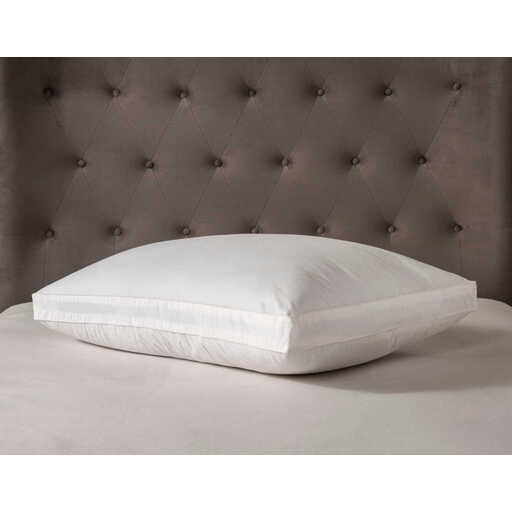
Why It Stands Out: This pillow’s standout feature is its gusseted box border construction. Unlike standard pillows that can flatten in the middle, this design maintains a consistent height and structure from edge to edge. This provides reliable, even support that is particularly beneficial for side sleepers who need to maintain neck alignment. The breathable 100% cotton cover adds a touch of hotel-quality comfort.
Pros:
Who is it for? Side sleepers looking for a well-structured, traditional-style pillow that prevents the head from dipping during the night. It's also a great option for anyone who prefers the feel of hollowfibre over memory foam but still needs reliable neck support.

Why It Stands Out: The Emma Hybrid Pillow is all about customisation. It features a modular design with removable inner layers of adaptive foam and soft microfibre. This allows you to adjust both the height and firmness to perfectly suit your sleeping position and personal comfort preference. This versatility makes it an excellent adjustable pillow for a wide range of users.
Pros:
Who is it for? Anyone who is unsure of their ideal pillow profile or whose needs might change. It’s a fantastic choice for couples with different preferences or individuals who switch between sleeping on their back and side.

Why It Stands Out: This is a purpose-built cervical pillow with a highly ergonomic design. Its 3-layer foam construction provides a unique combination of soft envelopment and firm, stable support. The cervical contour is shaped to fit the natural curve of the neck, promoting spinal alignment and helping to relieve pillow for shoulder pain by allowing muscles to relax.
Pros:
Who is it for? Back and side sleepers who are actively seeking a therapeutic, contoured pillow to address persistent neck or shoulder discomfort. It is ideal for those who appreciate the firm, cradling support of a specialised orthopaedic pillow.
Choosing a pillow is a very personal decision, and what works for one person may not work for another. If the options above don't seem like the right fit for you, there are many other styles and materials to consider.
To see a wider variety of choices, from different firmness levels to alternative materials, feel free to browse our full collection of comfortable bed pillows.
Pillows that promote neutral spinal alignment are generally recommended. This often includes memory foam pillows and cervical pillows with an ergonomic contour, as they are designed to support the natural curve of your neck. The ideal pillow will also depend on your sleeping position—side sleepers typically need a higher, firmer pillow than back sleepers.
Your pillow should be high enough to keep your neck aligned with the rest of your spine. For side sleepers, it should fill the gap between your head and the bed, keeping your head level. For back sleepers, a lower pillow that cradles the neck without pushing the head too far forward is usually best. An adjustable pillow can be a practical solution to find your perfect height.
Most manufacturers suggest replacing your pillow every one to two years. Over time, pillows lose their supportive qualities and can accumulate allergens. If your pillow has become lumpy, flat or you have to constantly fold or bunch it up to feel comfortable, it is likely time for a replacement.