
24/7 Customer Support

Free returns

Same-day & Next-day Delivery

Quality Guaranteed

Unlock Your Welcome Offers: FREE Delivery | Up to 80% OFF | Free 30-day JoyPlus trial
Download the APP
A good night's sleep can feel like a luxury, but often it's the small details that make the biggest difference. While we focus on mattresses and duvets, the humble pillowcase is a key player in our comfort. The right fabric against your skin can help regulate temperature, reduce irritation and even simplify your laundry routine.
Whether you're a hot sleeper searching for relief, a busy homeowner needing low-maintenance bedding or someone with sensitive skin, the sheer number of options can be overwhelming. This guide is designed to help you navigate the choices, focusing on practical features and materials to help you find the right fit for your needs. We'll look at some popular materials and highlight a few recommended options to improve your nightly rest.
Before diving into specific products, let's cover a few key points to consider during your search. Understanding these factors will help you make a more informed decision.
The fabric of your pillowcase directly impacts comfort, breathability and durability.
Your personal sleep habits and health considerations should guide your choice.
Here are a few selections that address common needs, from staying cool to simplifying your laundry day.
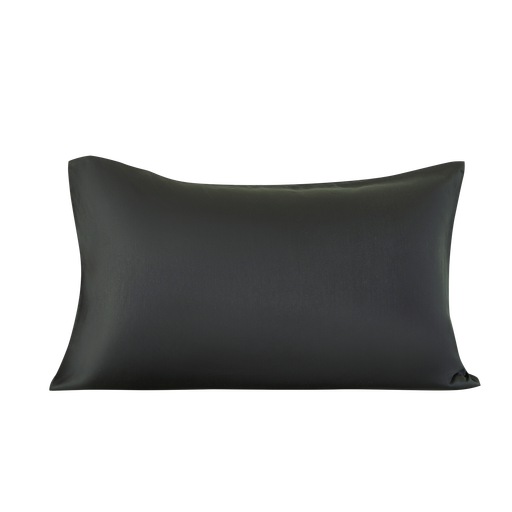
Why It Stands Out: Crafted from 100% bamboo viscose, these pillowcases offer a noticeably cool touch and a silky-smooth feel. The twill weave enhances softness, while the fabric's natural properties help wick moisture away from your skin, making it ideal for warm nights or for those who naturally sleep hot.
Pros:
Who is it for? This set is a great match for hot sleepers, individuals with sensitive skin or anyone looking to add a touch of silky luxury to their bedding.
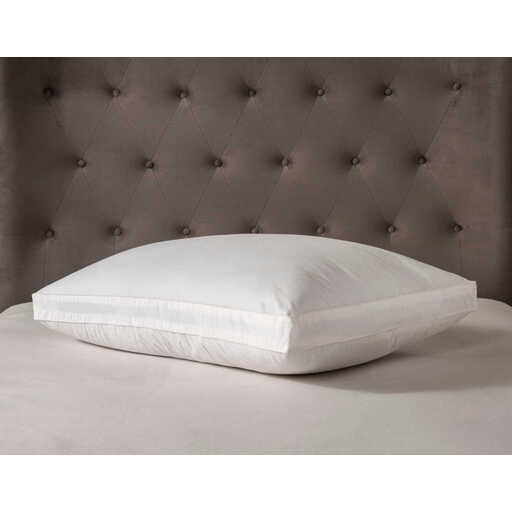
Why It Stands Out: A great pillowcase deserves a great pillow. This side sleeper pillow features a gusseted box border, which provides structure and consistent support across the entire surface. This design helps maintain proper neck and shoulder alignment, a common concern for side sleepers.
Pros:
Who is it for? Primarily designed for side sleepers who need medium support to keep their spine aligned. It's also a solid choice for anyone seeking a well-structured, hypoallergenic pillow.
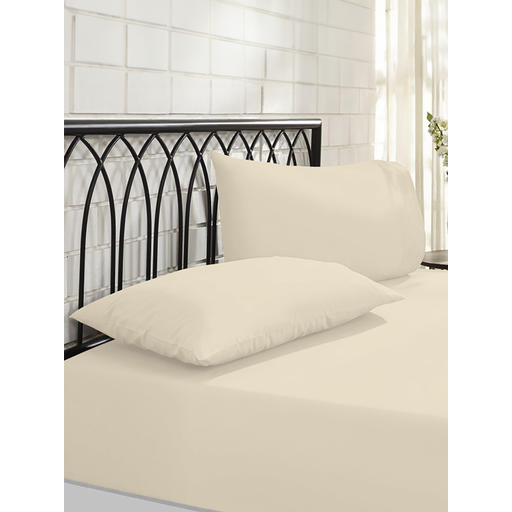
Why It Stands Out: For busy households, guest rooms or anyone who dislikes ironing, these non-iron pillowcases are a practical solution. The polycotton blend (50% cotton, 50% polyester) is engineered to resist wrinkles while remaining soft and durable.
Pros:
Who is it for? Ideal for anyone seeking practical, time-saving bedding without sacrificing comfort. They are perfect for family homes, student accommodation and guest bedrooms.
If these recommendations aren't quite what you're looking for or if you're interested in exploring different colours, patterns and decorative styles, there are many more choices available.
Discover a wider variety of styles in our full collection of Bedroom cushion covers.
1. What is the best material for pillowcases? There isn't one "best" material, as the ideal choice depends on your personal preference. Bamboo is excellent for cooling and softness. Cotton is a breathable, all-around classic. Polycotton is great for durability and easy, non-iron care. Consider what's most important for your sleep: temperature, feel or maintenance.
2. Are bamboo pillowcases really cooling? Yes, bamboo pillowcases are known for their cooling properties. The bamboo viscose fabric is highly breathable and effective at wicking moisture away from the skin. This helps regulate your body temperature, making you feel cooler and more comfortable throughout the night, especially if you are a hot sleeper.
3. How often should you change your pillowcases? It is generally recommended to change your pillowcases at least once a week. Over time, they accumulate oils, skin cells and dust, which can affect both your skin and your sleep quality. For those with sensitive or acne-prone skin, changing them every two to three days may be beneficial.