
24/7 Customer Support

Free returns

Same-day & Next-day Delivery

Quality Guaranteed

Unlock Your Welcome Offers: FREE Delivery | Up to 80% OFF | Free 30-day JoyPlus trial
Download the APP
Waking up with a stiff neck or aching shoulders is a frustrating start to any day. While many factors can contribute to poor sleep, the pillow you use plays a crucial role in supporting your head and neck. The right pillow helps maintain proper spinal alignment, easing pressure and allowing your muscles to relax.
Navigating the market for pillows for neck pain can be confusing, with countless options all claiming to offer the perfect night's sleep. As the Joybuy Product Recommendation Officer, my role is to help you understand the key features to look for, so you can make an informed choice based on your needs, not just marketing jargon. This guide will walk you through what to consider and highlight a few standout options.
Finding the right supportive pillow is a personal journey, but a few key principles can guide your decision. Before you buy, consider these factors.
How you sleep is the most important factor in determining the right pillow.
The filling of a pillow dictates its feel, support and maintenance.
If you have particular concerns, look for pillows designed to address them. An orthopaedic pillow is specifically structured to support the neck and spine correctly. For those prone to allergies, an anti-allergy pillow treated to resist dust mites and other common allergens can contribute to a healthier, more restful sleep environment.
Here are a few pillows that stand out for their design, materials and user-focused features.
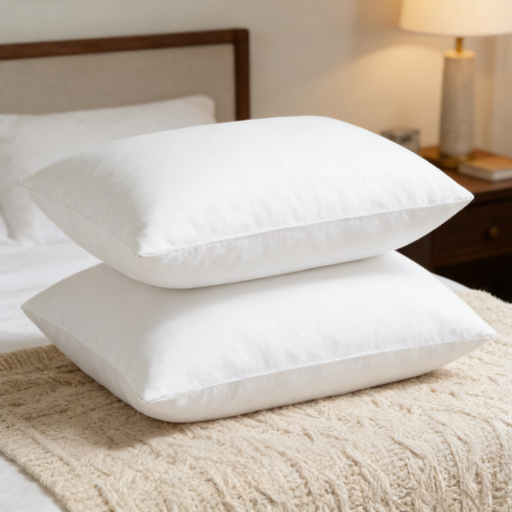
Why It Stands Out: This pillow focuses on delivering consistent comfort and a healthier sleep environment. Its "Superbounce" quality comes from a resilient 100% hollow polyester fibre filling that is designed to retain its shape and loft over time, preventing the flattening that can lead to poor support.
Pros:
Who is it for? This is an excellent choice for anyone seeking a reliable, low-maintenance pillow, especially those who suffer from allergies. Its balanced support makes it a versatile option for back and combination sleepers.
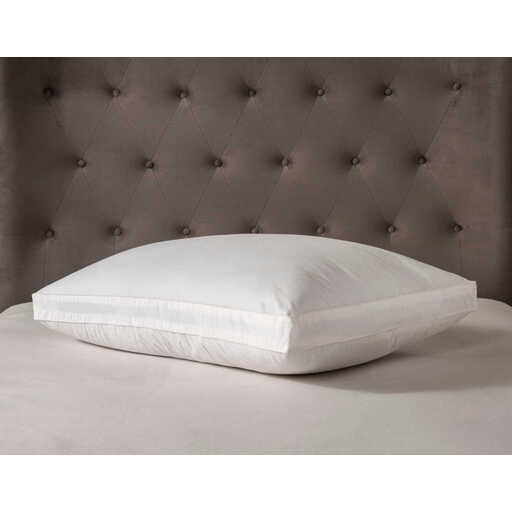
Why It Stands Out: The NightComfort pillow is specifically designed with side sleepers in mind. Its key feature is the gusseted box border, which creates a more structured, wall-like edge. This construction provides consistent height and support across the entire pillow, effectively filling the gap between the head and shoulder to promote better spinal alignment.
Pros:
Who is it for? This pillow is highly recommended for side sleepers who need extra height and consistent support to prevent pillow for shoulder pain and neck strain. It's also a great option for those who appreciate the crisp, cool feel of a cotton cover.
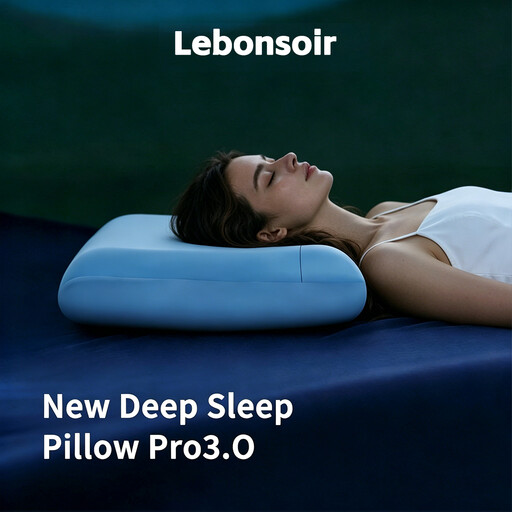
Why It Stands Out: This is a highly specialised ergonomic pillow engineered for targeted relief. Its unique contoured shape and 3-layer foam construction provide a sophisticated support system. The top layer is a slow-rebound memory foam for gentle envelopment, the middle layer prevents sinking and the base offers a firm, stable foundation.
Pros:
Who is it for? This cervical pillow is designed for individuals actively seeking a solution for persistent neck and shoulder discomfort. It's a good fit for office workers, seniors or anyone who finds standard pillows don't provide adequate, targeted support.
While the pillows above are selected for their supportive features, we understand that style and aesthetics are also important. If you're looking to refresh your bedroom's look while exploring other comfort options, you might find what you need in our broader collection.
Discover a range of styles and colours in our cushions category. Explore our collection of green and white cushions here.
What is the best type of pillow for neck pain? There isn't one single "best" type, as the ideal pillow depends on your sleeping position and personal preference. However, many people find relief with a memory foam pillow or a cervical pillow that has a contoured shape to support the neck's natural curve. Side sleepers often benefit from a firmer, higher pillow, while back sleepers may prefer a medium-loft option.
Can a pillow cause shoulder pain? Yes, an unsuitable pillow is a common cause of shoulder pain, particularly for side sleepers. If a pillow is too soft or too thin, your head will drop, putting strain on your neck and shoulder muscles throughout the night. A pillow that is too high can cause similar misalignment issues.
How often should I replace my pillow for neck support? It is generally recommended to replace pillows every one to two years. Over time, materials like foam and fibre fillings can break down and lose their supportive qualities. A pillow that has become flat, lumpy or no longer holds its shape will not provide the necessary support for your neck and should be replaced.