
24/7 Customer Support

Free returns

Same-day & Next-day Delivery

Quality Guaranteed

Unlock Your Welcome Offers: FREE Delivery | Up to 80% OFF | Free 30-day JoyPlus trial
Download the APP
Waking up with a stiff neck or feeling like you haven't slept at all is a common complaint. While many factors contribute to sleep quality, the pillow you use every night plays a crucial role. With so many options available, from memory foam to microfibre, finding the right one can feel overwhelming.
This guide is designed to simplify your search. We will walk you through the key considerations for choosing a pillow that suits your sleeping style and preferences, helping you find a comfortable and supportive option for a more restful night.
Before looking at specific products, understanding your own needs is the first step. Consider these factors to narrow down your choices and find a pillow that provides the right support.
How you sleep is the most important factor in determining the right pillow height and firmness.
The material inside your pillow affects its feel, support, breathability and maintenance.
Beyond the basics, certain features can address specific needs.
Based on features, materials and user needs, here are some noteworthy options to consider.
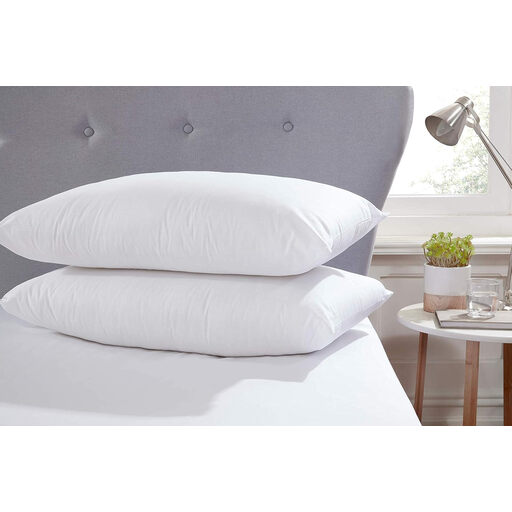
Why It Stands Out: This pillow combines the practical benefits of synthetic materials with a soft, hotel-quality feel. The hollowfibre filling provides balanced medium support, while the microfibre cover is smooth and skin-friendly. Its anti-allergy and dust-mite resistant properties make it a reliable choice for everyday use.
Pros:
Who is it for? This is a great all-round option for back and side sleepers looking for a comfortable, low-maintenance and hypoallergenic pillow at an accessible price point.

Why It Stands Out: The Emma Hybrid Pillow offers a customisable sleep experience. Its modular design features removable layers of adaptive memory foam and soft microfibre, allowing you to adjust both the height and firmness. This makes it an exceptionally versatile adjustable pillow.
Pros:
Who is it for? Sleepers who are unsure of their ideal pillow height or whose preferences change will find this pillow highly practical. It is also a good choice for couples with different needs or anyone seeking the combined benefits of memory foam and microfibre.
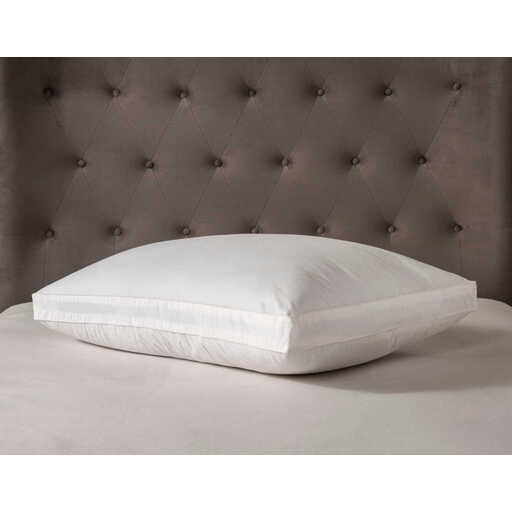
Why It Stands Out: This box pillow is specifically designed to provide enhanced structure and support. The gusseted side walls help the pillow maintain its shape and height, preventing it from flattening. This makes it an excellent side sleeper pillow, as it effectively supports the head and neck to ensure proper spinal alignment. The 100% cotton cover adds a touch of natural softness and breathability.
Pros:
Who is it for? This pillow is particularly well-suited for side sleepers who need a pillow with more structure and height than a standard design. It is also a strong option for anyone seeking a firm pillow that offers reliable neck support.
If these recommendations aren't quite what you're looking for, or if you'd like to browse a wider selection, there are many other styles available. From ultra-soft to extra-firm, exploring different options can help you find the perfect match.
Discover more choices in our Fluffy Pillow collection to find the right fit for your bedroom.
1. How often should you replace your pillows? Most recommendations suggest replacing pillows every one to two years. Over time, pillows accumulate dust mites and lose their supportive qualities, which can affect both hygiene and sleep quality. Materials like memory foam may last longer, but it is important to replace any pillow that has become lumpy, flat or no longer provides adequate support.
2. What type of pillow is good for neck pain? For neck pain, a pillow that promotes neutral spinal alignment is key. A memory foam pillow or a supportive orthopaedic pillow UK design can be beneficial as they contour to the neck's natural curve. For side sleepers, a firmer box pillow can provide the necessary height and support to prevent the head from dropping, reducing strain on the neck and shoulders.
3. Are memory foam pillows better than microfibre? Neither is inherently "better"; it depends on personal preference. Memory foam excels at providing contouring support and pressure relief, which is ideal for those with neck or shoulder discomfort. Microfibre and hollowfibre pillows are typically softer, lighter and more breathable. They are also often more affordable and easier to wash, making them a practical choice for many households.