
24/7 全天候客户支持

免费退货

当日/次日达

品质保障

开启新人专享福利: 全场免邮 | 低至 2 折 | 免费试用 30 天 JoyPlus 会员
下载 Joybuy
A good pillow is the foundation of a restorative night's sleep, yet finding the right one can feel surprisingly complicated. The market is filled with claims of miracle materials and universal solutions, making it easy to choose a pillow that fails to deliver, leaving you with neck ache and a lighter wallet.
As a Joybuy Product Recommendation Officer, my role is to help you navigate these choices with practical, objective advice. Before you buy, be aware of these common pitfalls that many UK shoppers encounter.
To avoid these traps, focus on a few core parameters that determine a pillow's performance and suitability for your needs.
The material inside a pillow dictates its feel, support and maintenance requirements.
The height (loft) and firmness of your pillow are critical for maintaining healthy spinal alignment.
Beyond standard shapes, some pillows are engineered for specific needs.
Based on these practical criteria, here are a few options from our catalogue, matched to different user needs.
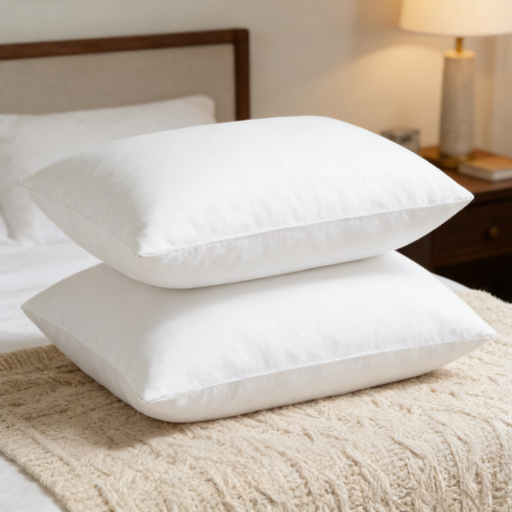
Why This Fits Their Persona: This two-pack offers great value for families or for outfitting a guest room. It focuses on the essentials: comfort, support and hygiene, making it a reliable choice for everyday use in a busy UK household.
It directly counters the hygiene blind spot by being fully machine washable. Its "Superbounce" hollowfibre filling is designed to retain its shape, addressing the common issue of pillows going flat quickly.
Anti-allergy properties make it suitable for sensitive sleepers and the resilient hollowfibre filling provides consistent support.
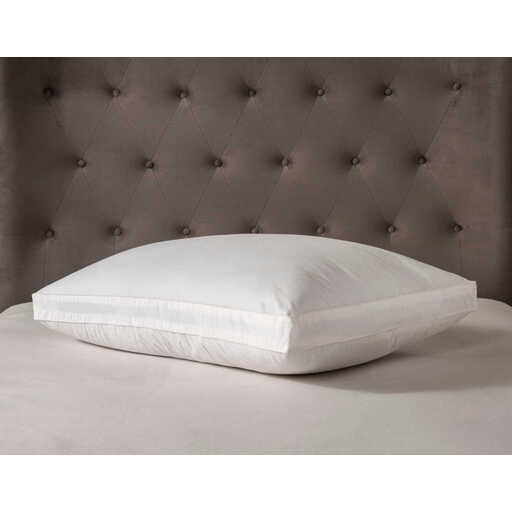
Why This Fits Their Persona: This pillow is engineered for those who primarily sleep on their side and need consistent support to prevent their head from dropping, which can cause neck and shoulder strain.
It rejects the "one-size-fits-all" myth. The gusseted box border provides a structured shape and consistent height, specifically designed to give side sleepers the loft they need for proper alignment.
The 100% cotton cover offers natural breathability, while the medium support level is tailored for balanced neck and shoulder comfort.
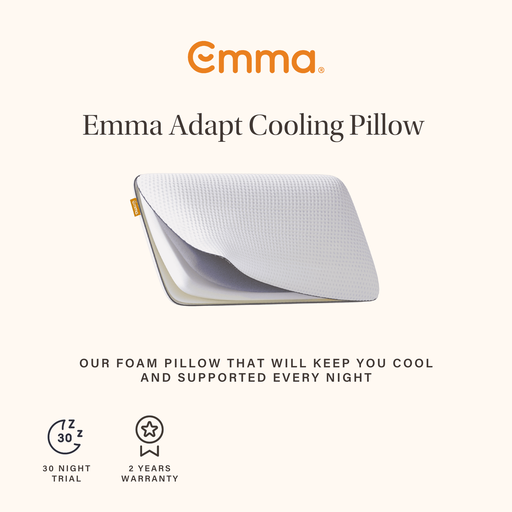
Why This Fits Their Persona: Ideal for the discerning sleeper who wants total control over their comfort. Whether you switch positions, have specific neck pain issues or simply want to fine-tune your pillow's feel, this adjustable design adapts to you.
This is the opposite of a "one-size-fits-all" pillow. With three removable foam layers, you can customise its height and firmness. It also tackles the "miracle material" trap with engineered foams designed for specific functions like support and airflow.
Fully adjustable height for all sleeping positions. The combination of memory foam and supportive foams provides both pressure relief and alignment.
We have compiled a complete, real-time list of products that fully satisfy these strict selection criteria and UK safety regulations.
As a general guideline in the UK, it's wise to replace synthetic pillows every one to two years and memory foam or natural fill pillows every two to three years. A simple test is to fold the pillow in half. If it doesn't spring back to its original shape, its supportive structure has likely degraded and it's time for a replacement.
Always check the care label first. Most hollowfibre and microfibre pillows are machine washable. Use a gentle cycle with a mild detergent and it's often recommended to wash two at a time to keep the machine balanced. For memory foam pillows, the foam core should never be put in a washing machine as it can break down the material. Typically, only the removable cover is washable.
For neck pain, the goal is to maintain a neutral spine. The right pillow depends on your sleeping position. Side sleepers often benefit from a firmer, higher-loft cervical pillow or orthopaedic pillow that fills the gap between the neck and mattress. Back sleepers should look for a pillow with a medium loft and a contour that supports the curve of the neck. Choosing a pillow that is too high or too low is a common cause of neck strain.