
24/7 Customer Support

Free returns

Same-day & Next-day Delivery

Quality Guaranteed

Unlock Your Welcome Offers: FREE Delivery | Up to 80% OFF | Free 30-day JoyPlus trial
Download the APP
For any serious cyclist in the UK, clear and protected vision is not a luxury—it's a fundamental part of performance and safety. Whether you're navigating sun-drenched country lanes or tackling a technical trail, the constant battle with glare, wind and UV rays can lead to eye fatigue and compromise your focus. Choosing the right eyewear can feel overwhelming with so many technical specifications to consider.
This guide is designed to cut through the clutter. As a Joybuy Product Recommendation Officer, my role is to provide practical, objective advice to help you select equipment that genuinely enhances your ride. Here, we will explore the key features of high-performance polarised cycling glasses and highlight some carefully selected options that deliver on protection, comfort and visual clarity.
Before diving into specific products, let's break down the essential features that separate a great pair of cycling sunglasses from an average one.
Many glasses offer UV protection, but not all are polarised. It's important to understand the distinction.
The frame is the foundation of your glasses, and its design directly impacts comfort and stability during a ride.
Beyond the basics, several other features contribute to a superior on-bike experience.
Based on the criteria above, here are our recommendations for cyclists seeking high-performance eyewear.
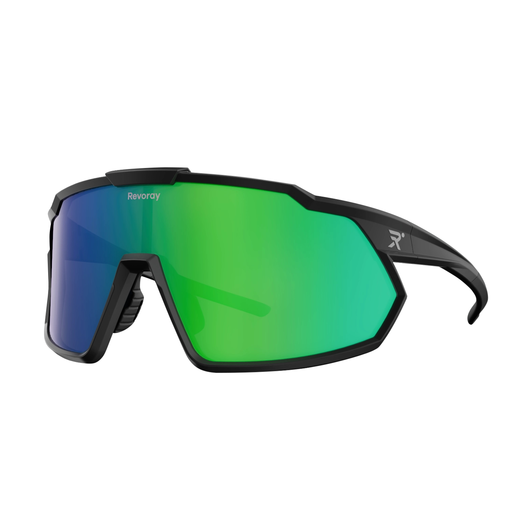
Why It Stands Out: The Revoray Y1 combines a full suite of performance features into an impressively lightweight package. The HD TAC polarised lenses are engineered to filter out harsh glare, providing crisp, clear vision in bright sunlight. With a visible light transmission of around 15.2%, they offer excellent shading without making the scene too dark.
Pros:
Who is it for? Ideal for road and mountain bikers who prioritise visual clarity and all-day comfort without a hefty weight penalty.

Why It Stands Out: Offering the same high-performance specifications as its counterparts in a classic black finish, this model is a versatile choice for any cyclist's kit. The combination of a durable, flexible TR90 frame and impact-resistant polarised lenses makes it a reliable companion for both training and competitive events.
Pros:
Who is it for? A superb all-rounder for cyclists who want a single pair of high-performance sunglasses that works for road cycling, mountain biking and general outdoor sports.
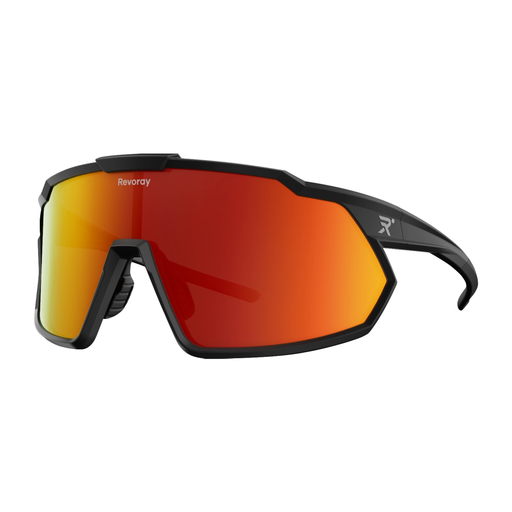
Why It Stands Out: This vibrant orange model delivers the same technical excellence with a bold aesthetic. The core functionality remains unchanged: superior glare reduction from the polarised lenses, full UV protection and a feather-light frame that you'll barely notice you're wearing.
Pros:
Who is it for? Cyclists looking to make a statement without compromising on technical features. It’s perfect for those who value performance and want their gear to stand out.
While the right eyewear is crucial, completing your kit with the right apparel is just as important for performance and comfort. If you're also looking to upgrade your gear for all-weather riding, why not explore our curated selection of high-performance riding coats to stay protected in all conditions.
1. Are polarised sunglasses good for road cycling? Yes, for the most part. They are excellent at reducing glare from wet tarmac and car windscreens, which can improve safety and significantly reduce eye strain on bright days. However, some riders find that polarisation can make it slightly more difficult to spot oil slicks on the road or view LCD screens on bike computers. For most, the anti-glare benefits are a major advantage.
2. What is the difference between UV400 and polarised? These two features address different needs. UV400 protection is a standard that ensures the lens blocks 100% of harmful UVA and UVB radiation, protecting your eye health. Polarisation is a special filter that eliminates horizontal glare from reflective surfaces. Many high-quality cycling sunglasses incorporate both technologies to offer complete protection and enhanced visual comfort.
3. What should I look for in mountain bike sunglasses? For mountain bike sunglasses, key priorities should be impact resistance, a secure fit and coverage. Look for eyewear that meets a safety standard like ANSI Z87.1 to protect against trail debris. A stable frame with non-slip contact points is essential to prevent the glasses from moving on rough terrain. Finally, a larger, wrap-around lens shape provides better protection from wind, dust and branches.