
24/7 Customer Support

Free returns

Same-day & Next-day Delivery

Quality Guaranteed

Unlock Your Welcome Offers: FREE Delivery | Up to 80% OFF | Free 30-day JoyPlus trial
Download the APP
A warm bowl of porridge is a comforting and nourishing start to the day for many across the UK. Yet, what seems like a simple purchase can be surprisingly complex. The supermarket aisle is filled with options, from traditional bags of oats to convenient sachets and ready-to-eat pots, all making various claims. As your Joybuy Product Recommendation Officer, my role is to help you see past the marketing and make a choice that genuinely suits your household's needs and budget.
Before you add a box to your basket, it's worth being aware of a few common pitfalls that can lead to a disappointing breakfast experience:
instant porridge products are marketed with images of fresh fruit and wholesome grains, but a quick look at the ingredients list can reveal a high sugar content. Flavours like golden syrup porridge or apple and cinnamon can sometimes contain more sugar per serving than you might expect, undermining your healthy intentions.porridge sachets offer undeniable convenience. However, the portion size can be smaller than what you might serve yourself from a larger bag, potentially leaving you feeling hungry sooner. It's always wise to check the net weight per sachet to ensure it aligns with your appetite and offers good value.porridge oats that you cook yourself.To ensure you're getting exactly what you want, focus on these three key parameters. They will empower you to compare products objectively, whether you're looking for organic porridge or a family-sized bag of rolled oats.
The texture and cooking time of your porridge are determined by how the oats have been processed. Understanding the main types is the first step to finding your perfect bowl.
Scott's Porage Oats are well-known for this traditional style.porridge sachets. While convenient, the finer processing can result in a softer, less textured porridge.baby porridge or for those who prefer a less "lumpy" texture.This is where you can verify a product's claims. The most important things to check are:
Your specific needs will narrow down the options considerably.
baby porridge. These are designed with a super-smooth texture and are fortified with essential vitamins and minerals for development, without the added salt or sugar found in many standard porridges.organic porridge, look for certification on the packaging. This ensures the oats were grown according to specific agricultural standards.Instead of a one-size-fits-all approach, we've matched some popular options to different lifestyles and needs.
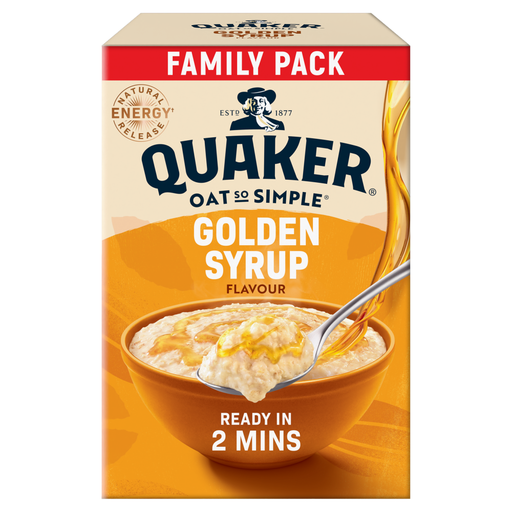
Why This Fits Their Persona: For those with hectic mornings, these sachets offer a consistently flavoured and portioned breakfast that is ready in just two minutes. It removes all guesswork from preparation.
While it is a flavoured porridge, the nutritional information is clearly stated, allowing you to account for the sugar content. The family pack of 20 sachets offers better value for money than smaller boxes, mitigating the portion-size value trap.
Unbeatable convenience with a 2-minute microwave time. Made with 100% wholegrain Quaker oats.

Why This Fits Their Persona: This is for the person who wants complete control over their breakfast. It's a blank canvas, perfect for customising with fresh fruit, nuts, seeds and a sweetener of their choice, if any.
It completely sidesteps the hidden sugar trap as the only ingredient is 100% oats. The large 1kg bag also offers excellent value per serving, avoiding the portion size illusion of smaller packets.
Contains 100% Scott's oatmeal with no artificial flavours, colours or preservatives. Provides total control over flavour and nutrition.
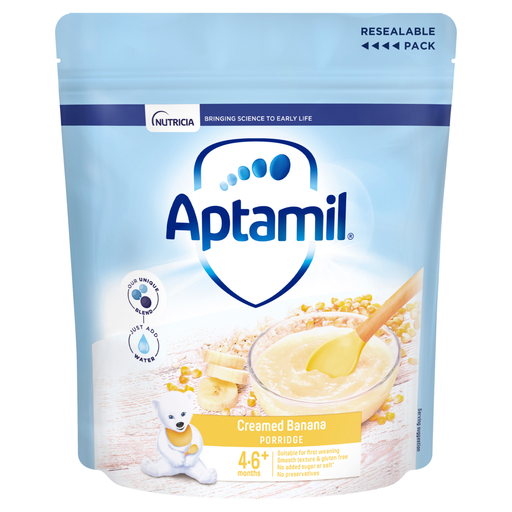
Why This Fits Their Persona: Safety and appropriate nutrition are the top priorities when introducing solids. This porridge is specifically designed for the first stages of weaning, offering peace of mind for parents.
This product is formulated to be gentle, with a smooth texture and no added sugar or salt. It avoids the significant trap of giving a baby adult porridge, which can have an unsuitable texture and ingredient profile.
Gluten-free and enriched with key nutrients like Calcium, Iron and Vitamins A, C and D to support healthy development.
We have compiled a complete, real-time list of products that fully satisfy these strict selection criteria and UK safety regulations.
It depends on the specific product. Plain instant porridge made from 100% oats is nutritionally very similar to traditional rolled oats. However, many flavoured sachets contain added sugar, which reduces their overall health profile compared to plain oats that you sweeten yourself with fruit. The main trade-off is convenience versus control over ingredients.
Both are wholegrain oats, but the difference lies in their thickness. Standard rolled oats are rolled thinner, so they cook faster and produce a smoother, creamier porridge. Jumbo oats are thicker, retain more of their shape during cooking and result in a porridge with a chewier, more substantial texture. The choice between them is purely down to personal preference for texture.
It is generally not recommended to give a baby regular adult porridge, especially in the early stages of weaning. Adult porridges can have a texture that is too coarse for a baby to manage and flavoured varieties often contain levels of sugar and salt that are not suitable for infants. It is always advisable to use a specifically designed baby porridge, which has a finer texture and is fortified with appropriate levels of vitamins and minerals for their developmental needs.