
24/7 Customer Support

Free returns

Same-day & Next-day Delivery

Quality Guaranteed

Unlock Your Welcome Offers: FREE Delivery | Up to 80% OFF | Free 30-day JoyPlus trial
Download the APP
Porridge is a staple of the British breakfast table, known for its comforting warmth and wholesome reputation. Yet, navigating the cereal aisle can be surprisingly complex. With labels shouting "high protein," "instant" and "organic," it's easy to pick a box that doesn't quite match your needs or your budget.
As the Joybuy Product Recommendation Officer, my role is to help you see past the marketing noise. Many shoppers fall into common pitfalls, such as choosing flavoured porridge sachets that contain more sugar than expected, or buying highly processed instant porridge that lacks the texture and sustained energy release of traditional oats. Let's break down what really matters so you can choose the right porridge for your morning routine.
Before you add a box to your basket, a quick look at the packaging can tell you everything you need to know. Focusing on these three factors will ensure you get a product that genuinely suits your lifestyle and dietary goals.
Not all oats are created equal. The way they are cut and processed determines their cooking time, texture and even their nutritional profile.
Many flavoured porridges, especially those marketed for convenience, can contain surprisingly high levels of sugar. The key is to look at the "of which sugars" value in the nutritional information table. Plain rolled oats typically contain around 1g of sugar per 100g. In contrast, some flavoured varieties, like golden syrup porridge, can contain anywhere from 15g to 25g of sugar per 100g. If you want to manage your sugar intake, opt for plain oats and add your own toppings like fresh fruit, a sprinkle of cinnamon or a small drizzle of honey.
Oats are naturally a good source of fibre, particularly a type called beta-glucan, which is noted for its role in maintaining normal blood cholesterol levels. A high protein porridge is typically one that has been fortified with an additional protein source, such as soy protein. These are excellent for those with active lifestyles or anyone looking for a more satiating breakfast to keep them full until lunchtime. Check the protein content per serving to ensure it meets your needs.
To help you choose, we've matched some popular options to different needs and lifestyles.

Why This Fits Their Persona: For busy professionals who need a quick, substantial breakfast before a long day. The sachet format is perfect for the office microwave, and the larger portion size provides sustained energy.
This is an instant porridge sachet without the pre-added sugar of flavoured versions. You get the convenience without the hidden sugars, giving you full control over the final taste and sweetness.
The portion is 33% bigger than standard sachets, making it more filling. It’s a blank canvas made from 100% wholegrain oats, ready for your choice of healthy toppings.
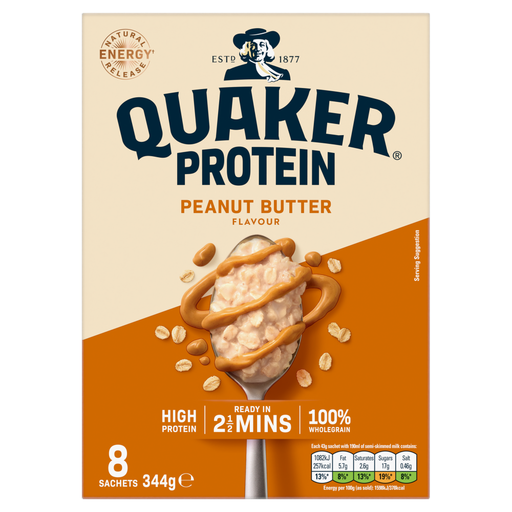
Why This Fits Their Persona: Ideal for those who need a protein-rich start to the day to support muscle maintenance and satiety. It’s a convenient post-workout breakfast or a filling meal for a busy day.
This product delivers a genuine high protein porridge experience, with 22g of protein per 100g (9g per sachet). It avoids the trap of "protein-washing" by using a significant amount of added soy protein.
It combines the convenience of a 2-minute sachet with a substantial protein boost and a popular peanut butter flavour derived from natural flavourings.

Why This Fits Their Persona: Perfect for those who enjoy the ritual of making porridge on the hob and prioritise pure, unprocessed ingredients. This is for the person who values quality and a natural, creamy taste.
This product sidesteps the pitfalls of additives and high processing entirely. It consists of 100% organic oats, with no added sugar, salt or flavourings, offering a pure and wholesome base.
These are certified organic whole grain oat flakes with a naturally creamy texture and very low sugar content (0.9g per 100g). The 1kg bag offers excellent value for regular porridge eaters.
We have compiled a complete, real-time list of products that fully satisfy these strict selection criteria and UK safety regulations.
The main differences are processing, cooking time and texture. Rolled oats are steamed and flattened whole oats that take around 5 minutes to cook and have a chewy texture. Instant porridge uses oats that are pre-cooked and rolled thinner, so they cook in 1-2 minutes but result in a softer, less textured porridge. While both are nutritious, rolled oats are less processed.
Porridge itself, made from plain oats, is an excellent choice for a healthy breakfast. It's high in fibre and provides slow-release energy. It becomes less healthy when large amounts of sugar, syrup or other high-calorie toppings are added. For a balanced meal, consider topping your porridge with fresh berries, nuts, seeds or a spoonful of plain yoghurt.
Yes, you can absolutely make porridge with water instead of milk. This will reduce the overall calorie and fat content of your breakfast. Cooking with milk adds creaminess and provides extra nutrients like calcium and protein, but water is a perfectly good, simple alternative. Many sachets and pots provide instructions for preparation with either liquid.