
24/7 Customer Support

Free returns

Same-day & Next-day Delivery

Quality Guaranteed

Unlock Your Welcome Offers: FREE Delivery | Up to 80% OFF | Free 30-day JoyPlus trial
Download the APP
Porridge is a staple of the British breakfast table, and for good reason. It's warm, comforting and can be a wonderfully nutritious start to the day. However, navigating the supermarket aisle or shopping online can be surprisingly complex. With labels shouting about protein, fibre and convenience, it's easy to pick a product that doesn't quite meet your needs or your budget.
As the Joybuy Product Recommendation Officer, my role is to help you see past the marketing clutter. Before you add another box of oats to your basket, let's look at the common pitfalls that lead to a disappointing breakfast experience and wasted money.
flavoured porridge varieties, especially those in convenient porridge sachets, sound wholesome with names like 'Apple & Cinnamon' or 'Golden Syrup'. While appealing, they can contain significant amounts of added sugar. A quick glance at the nutritional information often reveals sugar levels comparable to a less-than-healthy breakfast cereal, undermining your goal of a nutritious start.Instant porridge and microwave porridge sachets are undeniably quick and easy. However, this convenience comes at a premium. When you calculate the price per 100g, these single-serving options are often far more expensive than a simple bag of rolled oats. You're paying for packaging and portioning, which might not be necessary for your routine.porridge oats is not a safe option; only products explicitly certified as gluten free oats can provide the necessary assurance.To make a smart choice, focus on these core parameters. They will help you select the right porridge for your lifestyle, whether you prioritise health, convenience or specific dietary needs.
porridge sachets, these are pre-cooked, dried and rolled very thin. They cook in 1-2 minutes with just hot water or milk, but can result in a softer, sometimes mushier, texture.high protein porridge, which is typically fortified with soy or other plant proteins and should offer over 15g of protein per 100g.organic porridge will carry a certification from a body like the Soil Association, ensuring the oats were grown without synthetic pesticides or fertilisers.Based on these practical criteria, we've matched some excellent options to different needs. Instead of a one-size-fits-all approach, this selection helps you find the right fit for your lifestyle.
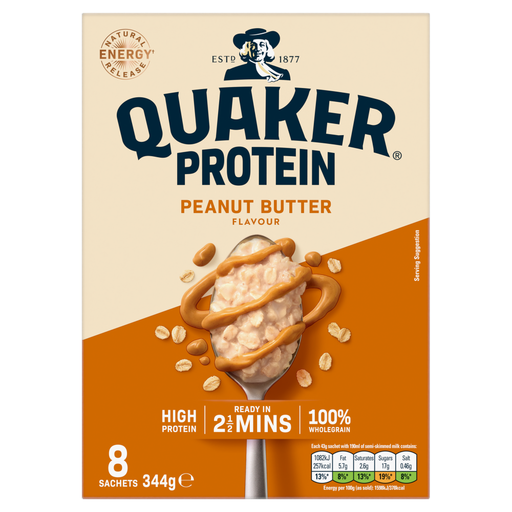
Why This Fits Their Persona: This is the ultimate time-saver for a nutritious morning. Ready in 2.5 minutes, each sachet delivers a substantial 9g of protein, helping to keep you full and focused through a busy morning of meetings. The peanut butter flavour provides a satisfying taste without needing extra toppings.
While it is a flavoured, convenient sachet, it sidesteps the "empty calorie" trap by being a functional, high protein porridge. The added protein provides a clear nutritional benefit that justifies the format.
High in protein (22g per 100g) from soy protein. Extremely convenient sachet format for home or the office.

Why This Fits Their Persona: For those who want complete control over their breakfast, this is the ideal choice. It contains just one ingredient: 100% organic whole grain oat flakes. This provides a pure, wholesome base to customise with your own choice of fruits, nuts and seeds, ensuring no hidden additives.
This product is the direct antidote to the hidden sugar and convenience cost traps. With only 0.9g of sugar per 100g and sold in an economical 1kg bag, it offers maximum nutritional control and value.
Certified organic porridge. Contains only one ingredient, offering a creamy texture and a pure, natural oat flavour.

Why This Fits Their Persona: For anyone with coeliac disease or a serious gluten intolerance, safety is non-negotiable. This product is specifically produced to be free from gluten and wheat contamination, providing the peace of mind needed to enjoy a bowl of porridge without worry.
It directly solves the "gluten-free confusion" pitfall. Unlike standard oats that carry a risk of cross-contamination, these are guaranteed gluten free oats, making them a safe and reliable choice.
Certified gluten and wheat free. A versatile 1kg bag of 100% oat flakes suitable for porridge and baking.
We have compiled a complete, real-time list of products that fully satisfy these strict selection criteria and UK safety regulations.
While both originate from wholegrain oats, instant porridge is more processed to reduce cooking time. This can give it a slightly higher glycaemic index. The main difference often lies in the additives; flavoured porridge sachets frequently contain added sugar and salt. For maximum nutritional benefit, traditional rolled oats that you flavour yourself are a strong choice. However, plain instant sachets can still be a perfectly healthy and convenient part of a balanced diet.
The difference is all about size and texture. Standard porridge oats (or rolled oats) are steamed and rolled into thin flakes, which cook down into a smooth, creamy porridge. Jumbo oats are much thicker flakes that don't break down as much during cooking. This results in a porridge with a distinctly chewier texture and more bite. The choice between them is entirely down to personal preference.
It's very simple to boost the protein in any bowl of porridge. After cooking, try one of these additions: