
24/7 Customer Support

Free returns

Same-day & Next-day Delivery

Quality Guaranteed

Unlock Your Welcome Offers: FREE Delivery | Up to 80% OFF | Free 30-day JoyPlus trial
Download the APP
As energy costs remain a key concern for UK households, finding a flexible and cost-effective way to stay warm is more important than ever. Whether you're dealing with a draughty home office, a chilly bedroom or simply want to avoid heating the entire house, a portable electric heater offers a practical solution. However, with so many types and features available, choosing the right one can feel overwhelming.
This guide is designed to help you understand the key differences between models and identify the features that matter most for your needs. We will walk through the main types of heaters and highlight some of our top recommendations to help you make an informed decision.
Before looking at specific models, it's useful to understand the core technologies and features that will influence performance, running costs and suitability for your space.
The way a heater generates and distributes warmth is the most significant factor. The three main types each have distinct advantages:
To manage electricity consumption, look for features that give you precise control over the heat output.
Safety should always be a priority. Reputable modern electric heaters are built with key safety mechanisms. Always look for tip-over protection, which automatically shuts the unit off if it's knocked over, and overheat protection, which does the same if internal components become too hot.
Here are a few portable electric heaters that stand out for their features, design and suitability for common UK household needs.
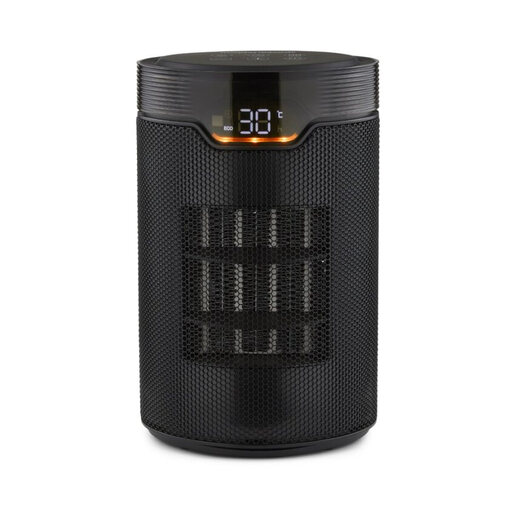
Why It Stands Out: This model combines the rapid heating of a ceramic fan heater with features designed for convenience and quiet operation. Its compact size and remote control make it perfect for personal spaces like a bedside table or home office desk. The digital thermostat and timer provide excellent control over both comfort and energy use.
Pros:
Who is it for? Anyone needing a quiet, compact and responsive heater for a bedroom or small office space.
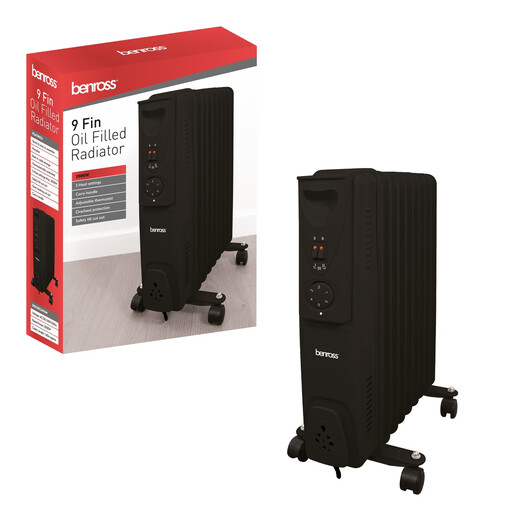
Why It Stands Out: As a classic oil filled radiator, this Benross model is built for providing sustained, silent heat. With a powerful 2000W output and nine fins, it effectively warms medium-sized rooms. Its simple, robust design includes an adjustable thermostat and three heat settings, offering reliable performance without complex controls.
Pros:
Who is it for? Those looking for a dependable and silent heating solution for living rooms or bedrooms, where consistent background warmth is preferred.

Why It Stands Out: This is a true smart heater, offering the ultimate in modern convenience. As a convection heater with a turbo fan, it circulates heat quickly and effectively. Its standout feature is Wi-Fi connectivity, allowing you to control it via the BLACK+DECKER app or with voice commands through Alexa and Google Home.
Pros:
Who is it for? Tech-savvy users who want to integrate their heating into a smart home system for maximum control and scheduling convenience.

Why It Stands Out: For those who value aesthetics as much as warmth, this electric fire stove offers the best of both worlds. It provides up to 2000W of fan-assisted heat while creating the cosy ambience of a traditional log burner with its realistic LED flame effect. The flame can even be used independently of the heat for year-round atmosphere.
Pros:
Who is it for? Anyone wanting to add a cosy, decorative focal point to their living room or conservatory while also benefiting from a powerful heat source.
Our recommendations cover a range of functional needs, but style is also important. If you are looking for a heater to match a specific interior design, such as a sleek and modern one, you can explore our wider collection.
? Discover more options in our black electric heaters category
1. What is the most economical type of portable electric heater to run? The running cost of a heater depends more on how you use it than the type. All electric heaters are 100% efficient at converting electricity to heat. To be economical, choose a model with a heater with thermostat, multiple power settings and a timer. An oil-filled radiator is good for maintaining heat over long periods, while a ceramic fan heater is efficient for heating a small space quickly. Using these features correctly is the key to creating a low energy portable heater setup.
2. How many watts do I need to heat my room? A general guideline for well-insulated rooms is to use 10 watts of heating power per square foot of floor area. For example, a 150-square-foot room (e.g., 12ft x 12.5ft) would need around 1500W (1.5kW) to heat effectively. For larger or poorly insulated rooms, a 2000W electric heater or higher may be more suitable.
3. Are portable electric heaters safe to leave on overnight? You should always exercise caution. However, modern heaters with the right safety features are designed for safer operation. For overnight use, an oil filled radiator is often considered a good option due to its silent operation and lack of a fan. Whichever type you choose, ensure it has an adjustable thermostat, a timer and essential safety certifications like tip-over and overheat protection. Always follow the manufacturer's specific safety warnings and instructions.