
24/7 Customer Support

Free returns

Same-day & Next-day Delivery

Quality Guaranteed

Unlock Your Welcome Offers: FREE Delivery | Up to 80% OFF | Free 30-day JoyPlus trial
Download the APP
With energy bills remaining a key concern for UK households, heating the entire house just to keep one room warm can feel inefficient and costly. Whether you're working from a chilly home office, need extra warmth in the living room or want to take the edge off a cold bedroom, a portable electric heater offers a targeted and flexible solution.
However, the market is filled with different types, from traditional fan heaters to smart models you can control with your phone. This guide is designed to help you understand the key features to look for, so you can find a practical and efficient heater that suits your space and budget.
Before looking at specific models, it helps to understand what sets them apart. Focusing on these three areas will help you narrow down your options.
The way a heater distributes warmth affects how quickly and evenly it heats a room. The main types include:
To manage running costs, look for a low energy electric heater with features that give you greater control.
Safety should always be a priority. Modern heaters come with standard safety features like overheat protection (which shuts the unit off if it gets too hot) and a tip-over switch.
For specific rooms, you may need additional features. A quiet portable heater is ideal for bedrooms or offices where noise is a distraction. If you need a heater for a bathroom, it must have an appropriate IP (Ingress Protection) rating. A bathroom safe heater will typically have a rating of IP21 or higher, indicating it is protected against condensation and drips.
Here are four models that cater to different needs, from aesthetic appeal to smart functionality and energy-conscious performance.

Why It Stands Out: This electric stove heater is all about creating a warm and inviting atmosphere. It combines effective heating with the classic charm of a log-burning stove. The realistic LED flame effect can be used independently of the heat, allowing you to enjoy the cosy glow year-round.
Pros:
Who is it for? Ideal for those who want to add a decorative, traditional touch to their living room or conservatory while benefiting from a powerful heat source.

Why It Stands Out: This smart heater offers modern convenience and powerful performance. With WiFi connectivity, you can control it from anywhere using the BLACK+DECKER Home app or via voice commands with Amazon Alexa and Google Home. The turbo fan mode provides an extra boost of heat when you need it fast.
Pros:
Who is it for? Perfect for the tech-savvy user who values convenience and wants to integrate their heating into a smart home ecosystem.
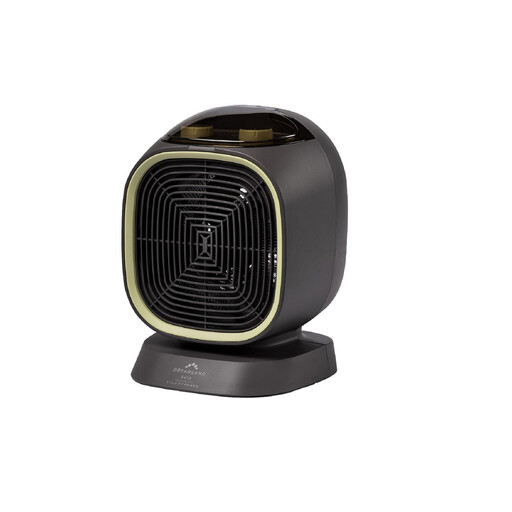
Why It Stands Out: This model is engineered for efficiency and quiet operation. It is a Quiet Mark Certified heater, making it an excellent choice for noise-sensitive environments. Its ECO Technology helps manage power consumption, and its IP21 rating makes it a rare example of a bathroom safe heater.
Pros:
Who is it for? Anyone looking for a versatile, quiet and energy-conscious heater that can be safely used in almost any room in the house, including the bathroom.

Why It Stands Out: This oil filled radiator is a classic choice for silent, sustained warmth. It excels at retaining heat, continuing to radiate warmth long after it has been turned off. Its near-silent operation makes it perfect for use overnight or in quiet spaces.
Pros:
Who is it for? A great option for those who need steady, silent heat in medium-sized rooms like bedrooms or studies, where consistent comfort is more important than instant heat.
Our recommendations cover a range of needs, but the right heater often comes down to personal preference in design and features. If you're searching for a model with a specific aesthetic, such as a sleek, modern interface, explore our collection of heaters with a black thermostat.
1. How much does it cost to run a portable electric heater? The running cost depends on the heater's power rating (in kilowatts, kW) and your electricity tariff (in pence per kilowatt-hour, kWh). To estimate the cost, multiply the heater's power in kW by your tariff. For example, a 2kW heater running for one hour will use 2 kWh of electricity. If your rate is 30p per kWh, it would cost 60p to run for that hour. Using a heater with a thermostat and a timer will help you manage these costs effectively.
2. Are portable electric heaters safe to leave on overnight? It is generally not recommended to leave any portable heater unattended for long periods, including overnight. For safety, it is better to use a model with a timer to warm the room before you go to sleep and set it to turn off automatically. If you must use one for extended periods, ensure it has robust safety features like overheat protection and a tip-over switch and always follow the manufacturer's safety instructions.
3. What size portable heater do I need for my room? A common guideline is to allow for 10 watts of heating power for every square foot of floor area. For example, a 150-square-foot room (e.g., 10ft x 15ft) would generally require a 1500W (1.5kW) heater. However, this is just an approximation. Factors like room insulation, ceiling height and the number of windows will also influence how effectively a heater warms the space.