
24/7 全天候客户支持

免费退货

当日/次日达

品质保障

开启新人专享福利: 全场免邮 | 低至 2 折 | 免费试用 30 天 JoyPlus 会员
下载 Joybuy
Creating a functional home gym is a rewarding goal, but choosing the right equipment can feel overwhelming. If you're focused on building strength using your own bodyweight, a power tower is one of the most versatile and effective pieces of kit you can own. This single piece of home gym strength training equipment can replace multiple machines, offering a central hub for a full-body workout.
However, with so many models available, how do you choose the one that fits your space, goals and budget? This guide is designed to help you understand the key features to look for in a pull up and dip station and to highlight a few standout options for your consideration.
Before you start browsing, keeping a few practical points in mind will help you narrow down your search and make a more informed decision.
A freestanding pull up bar needs a solid foundation. Before anything else, measure the area where you plan to place it. You'll need to account for the footprint (length and width) and, crucially, the vertical height. Ensure you have enough clearance above the bar to perform a full pull-up without hitting the ceiling. Look for models with a wide, H-shaped base and non-slip rubber feet, as these features contribute significantly to stability during intense exercises.
At its core, a power tower is a chin up bar station combined with a dip station. However, many models offer much more. Consider what exercises are important to you. Do you need:
Your safety is paramount. Always check the maximum user weight capacity of the tower. A higher capacity, such as 480 lbs (approximately 217 kg), often indicates a more robust frame made from heavy-gauge steel. Examine the construction—welded joints and thick steel tubing are signs of a durable product built for long-term use.
Here are a few options that cater to different needs, from beginners to those seeking a complete home gym solution.
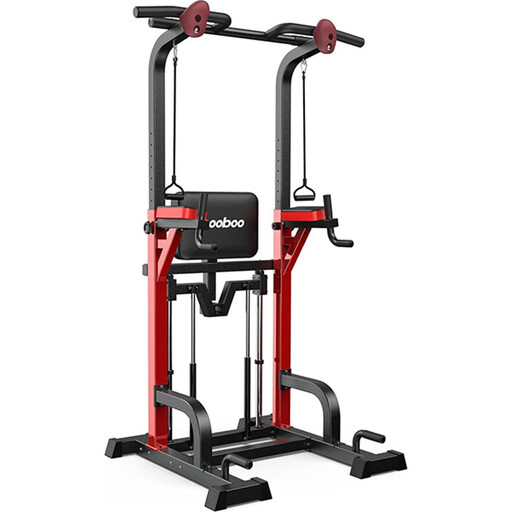
Why It Stands Out: The standout feature of the Pooboo C773 is its integrated resistance assisted pad. This makes it an excellent choice for those who are still building the strength to perform unassisted pull-ups or dips. The pad provides upward support, which can be gradually reduced as you get stronger.
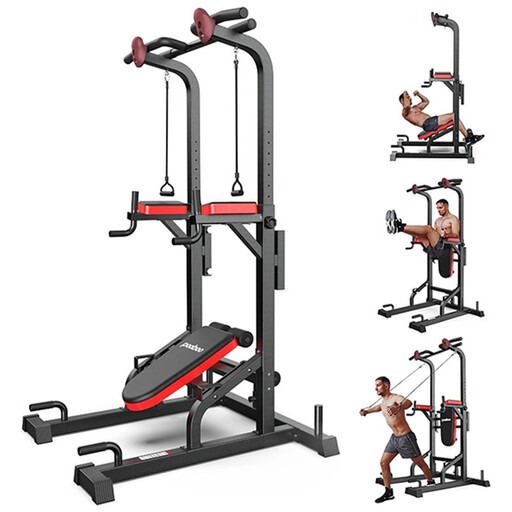
Why It Stands Out: This model is a true all-in-one calisthenics tower. It combines a standard power tower with a foldable weight bench and unique rock climbing grips. This versatility allows you to perform a huge range of exercises, from pull-ups and dips to bench presses and rows, all within a single footprint.
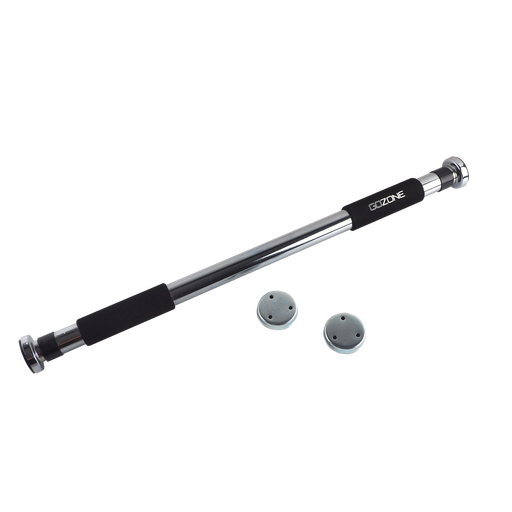
Why It Stands Out: For those with limited space or a smaller budget, a full power tower might not be practical. This doorway pull-up bar offers a simple, effective solution. Its no-screw, cantilever design uses your body weight to secure it to a standard door frame, allowing for immediate use without any drilling or permanent fixtures.
The models highlighted here represent a fraction of the available choices. If your needs are different—perhaps you're looking for a wall-mounted bar or a different combination of features—it's worth exploring further.
Discover our full range of Gym Pull Up Bars to find the perfect fit for your home workout space.
A typical power tower requires a floor footprint of around 1 metre by 1.2 metres. The most critical measurement is height. You'll need a ceiling that is high enough to accommodate the tower's maximum height (often around 2.3 metres) plus enough clearance above the bar for your head when performing a pull-up. Always measure your space carefully before purchasing.
Most power towers are equipped with rubber or plastic feet to prevent scratching and improve stability. However, for added protection and to prevent any movement on slick surfaces like wood or tile, placing a heavy-duty equipment mat underneath is highly recommended. This also helps to dampen noise and vibration.
Yes, a power tower can be an excellent tool for beginners. It allows you to work on the fundamental movements of bodyweight training. Models that include features like a resistance assisted pad are particularly useful, as they help you build strength progressively until you can perform the exercises unassisted. You can also use resistance bands with any tower to achieve a similar effect.