
24/7 Customer Support

Free returns

Same-day & Next-day Delivery

Quality Guaranteed

Unlock Your Welcome Offers: FREE Delivery | Up to 80% OFF | Free 30-day JoyPlus trial
Download the APP
Navigating the world of protein bars can feel like a workout in itself. Shelves are packed with options all promising to be the perfect high-protein, low-sugar snack. Yet, many UK consumers find themselves disappointed, having spent money on a product that is either less healthy than advertised or simply unpleasant to eat.
As the Joybuy Product Recommendation Officer, my role is to help you see past the marketing jargon. Before you make your next purchase, be aware of these common pitfalls:
To avoid these traps, a quick look at the nutritional information is essential. Focus on these three key areas to ensure you're getting a quality product that suits your needs.
A simple way to gauge a bar's efficiency is to compare its protein content to its total calories. A good rule of thumb is to look for at least 1 gram of protein for every 10-15 calories. For example, a 200-calorie bar should ideally offer between 13g and 20g of protein. This helps ensure you're getting a substantial protein boost without excessive calories, making it a more effective choice for muscle recovery and satiety.
To achieve a sweet taste without the sugar, many low sugar protein bars use sugar alcohols, also known as polyols (e.g., maltitol, xylitol, erythritol). While they contribute fewer calories than sugar, it's important to note that for some individuals, consuming high amounts of certain polyols like maltitol can lead to digestive discomfort. Check the "carbohydrates (of which polyols)" line on the nutrition label to be aware of what you're consuming.
The type of protein matters. Most bars use a blend to achieve a desired texture and absorption rate.
To help you choose, we've matched some popular options to different lifestyles and needs.
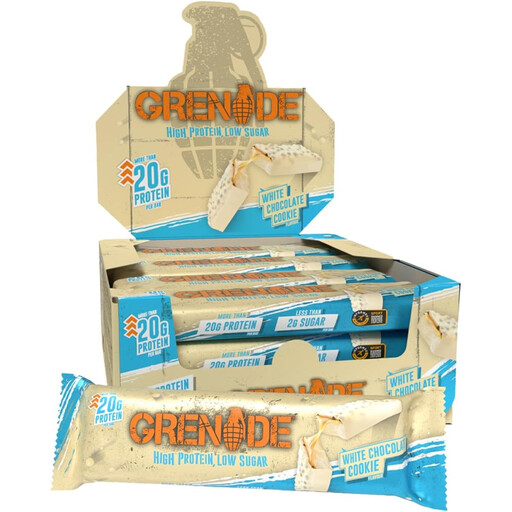
Why This Fits Their Persona: For those who track their macros meticulously, this bar delivers a powerful protein punch without derailing a low-carb or calorie-controlled diet. It's an ideal post-workout recovery tool or a satisfying snack to support lean muscle goals.
It directly counters the "Healthy Sugar Bomb" with only 1.7g of sugar per bar. The multi-layered texture also avoids the typical dry, chalky experience of many fitness bars.
High Protein Content: 23g of protein per 60g bar.
Low Sugar: Formulated to be a low-carb, low-sugar snack.
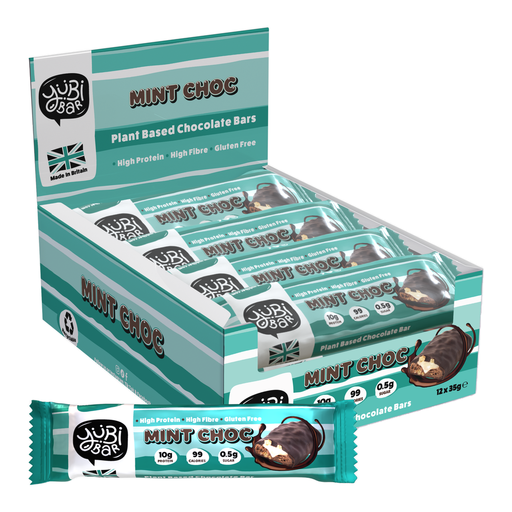
Why This Fits Their Persona: This bar is a perfect fit for the desk drawer or laptop bag. It's a light, low-calorie option that satisfies afternoon cravings for something sweet without the guilt of a biscuit. It provides a useful protein boost to stave off hunger between meetings.
With just 99 calories and 0.5g of sugar, it's a genuinely light and healthy office snack, avoiding the "Healthy Sugar Bomb" trap. Its focus on a pleasant mint-chocolate flavour also sidesteps the "Cardboard Texture" issue.
Low Calorie: Only 99 calories per 35g bar.
Balanced Nutrition: Provides 10g of protein with extremely low sugar.
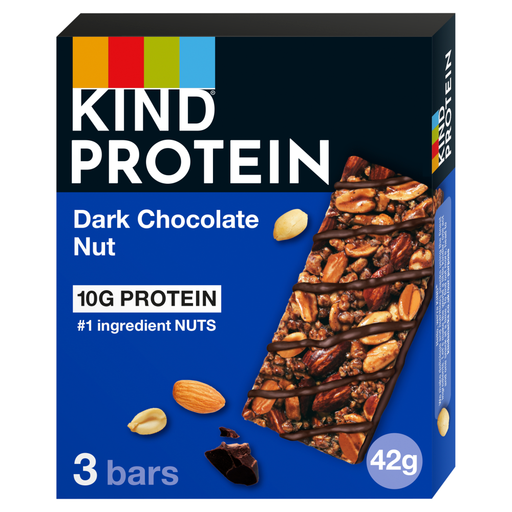
Why This Fits Their Persona: For those who prefer snacks made from ingredients they can see and recognise, this bar is an excellent choice. It's built around whole peanuts and almonds, offering a satisfying crunch and a less processed feel than many other protein bars on the market.
The use of whole nuts as the primary ingredient completely avoids the "Cardboard Texture" pitfall, providing a natural, crunchy texture. While it contains sugar, it comes from sources like honey alongside whole foods.
Whole Food Ingredients: Peanuts and almonds are the main ingredients.
Good Fibre Source: Contains 8g of fibre per 100g.
We have compiled a complete, real-time list of products that fully satisfy these strict selection criteria and UK safety regulations.
While convenient, protein bars are generally considered supplements to a balanced diet, not meal replacements. They are excellent as high protein snacks to bridge the gap between meals or to refuel after exercise, but they typically lack the full range of micronutrients and fibre found in a complete meal.
Polyols are sugar alcohols used as low-calorie sweeteners. They are found in many low sugar protein bars. For most people, they are perfectly fine in moderation. However, some individuals may experience bloating or a laxative effect if they consume them in large quantities. If you have a sensitive stomach, it may be wise to choose a bar with lower polyol content or one sweetened with other alternatives like stevia.
The ideal time depends on your goal.