
24/7 Customer Support

Free returns

Same-day & Next-day Delivery

Quality Guaranteed

Unlock Your Welcome Offers: FREE Delivery | Up to 80% OFF | Free 30-day JoyPlus trial
Download the APP
Navigating the world of protein bars can feel like a workout in itself. With shelves stacked high with options all promising to be the perfect fuel, it's easy to grab one that looks the part, only to find it's not quite what you needed. As a Joybuy Product Recommendation Officer, my role is to help you see past the flashy packaging and make a choice that genuinely supports your goals, whether that's for a post-workout snack or a convenient bite at your desk. Let's look at some common pitfalls and how to avoid them.
Many of us have been there: you buy a box of bars thinking you're making a healthy choice, but a closer look reveals a different story. Here are a few frequent traps to be aware of:
To ensure you're getting a bar that works for you, focus on these key parameters on the nutrition label, not just the front-of-pack claims.
The main reason for buying a protein bar is, of course, the protein. Aim for bars that provide at least 15-20 grams of protein. More importantly, check the source. High-quality, complete proteins include:
Look for these at the top of the ingredients list. A bar with a balanced protein-to-calorie ratio is often a good indicator of a well-formulated product.
This is where you can spot a chocolate bar in disguise. Turn the bar over and examine the "Carbohydrates (of which sugars)" line. A genuinely functional low carb protein bar will typically have under 5g of sugar.
Also, pay attention to the polyols content. If this figure is high (e.g., over 15g), be mindful if you have a sensitive stomach. On the plus side, a higher fibre content (over 5g) is beneficial as it aids digestion and helps you feel fuller for longer, which is useful for those considering protein bars for weight loss.
The ingredients are listed by weight, so the first few items make up the bulk of the bar. If sugar, syrup or palm oil are near the top, it might not be the high protein snack you're looking for. This is also where you can check for allergens like milk, soy, nuts and gluten, ensuring the product is safe for you to consume.
To help you find a match, here are a few options from our selection, aligned with different needs and lifestyles.
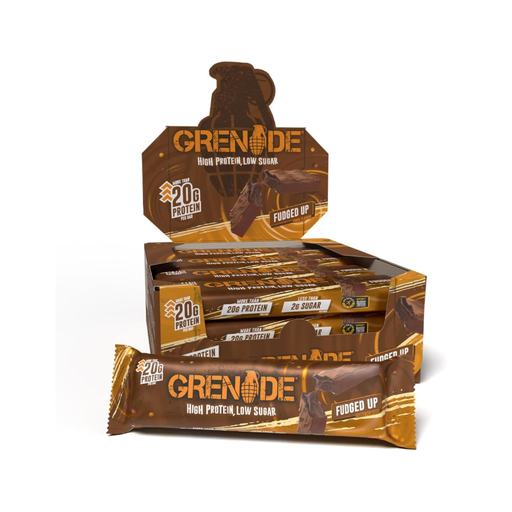
Why This Fits Their Persona: For those serious about their training, this bar delivers a substantial 20g of protein to support muscle recovery. It's an ideal post-workout snack that fits neatly into a macro-controlled diet and its Informed Sport accreditation provides peace of mind for competing athletes.
It directly counters the "Protein vs. Reality" gap by using a high-quality milk protein blend, not cheaper fillers. With only 1.7g of sugar, it's far from being a disguised confectionery bar.
20g of protein per bar from a milk protein blend. It is also Informed Sport certified, meaning it's tested for banned substances.
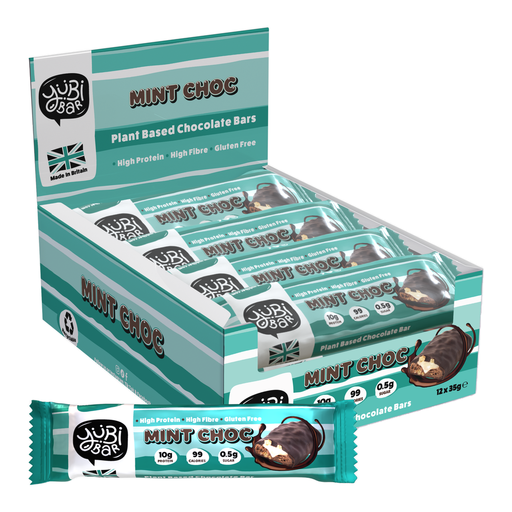
Why This Fits Their Persona: This bar is ideal for those following a plant-based diet or looking for a lighter, lower-calorie option. At under 100 calories, it's a guilt-free way to get a 10g protein boost and satisfy a sweet craving, making it a great choice for a healthy office snack.
It avoids being a "Confectionery in Disguise" by keeping both sugar (0.5g) and calories (99 kcal) genuinely low. The protein comes from a pea and soy blend, a solid choice for vegan protein bars.
It's fully plant-based and gluten-free, catering to specific dietary needs. It provides 10g of protein in a low-calorie, low-sugar format.
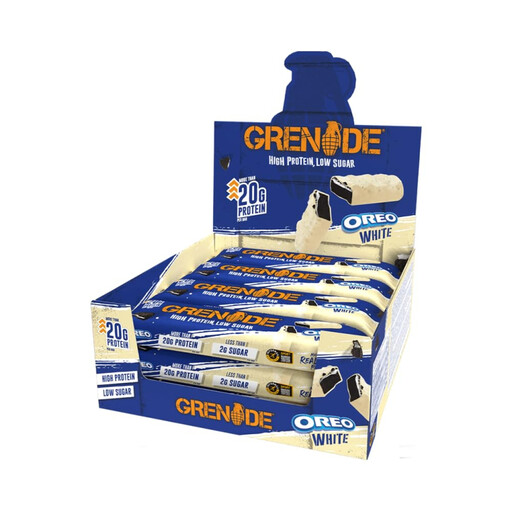
Why This Fits Their Persona: For those who refuse to compromise on taste, this bar delivers an authentic dessert-like experience. It's perfect for satisfying a serious sweet tooth without the sugar load of a traditional treat, making it a smarter swap when cravings strike.
While it tastes indulgent, the nutritional information confirms it's a high-performance snack. With 21g of protein and only 1.3g of sugar, it masterfully avoids the "Confectionery in Disguise" trap.
Features an authentic White Oreo flavour with real cookie pieces. It delivers 21g of protein from a milk and whey blend while keeping sugar extremely low.
We have compiled a complete, real-time list of products that fully satisfy these strict selection criteria and UK safety regulations.
1. Can I eat protein bars every day for weight loss? Protein bars can be a useful tool for weight loss as they help with satiety and muscle maintenance within a calorie-controlled diet. However, they are supplements and should not be used to replace whole-food meals entirely. They are best used to replace less healthy snacks or as a convenient option when a balanced meal isn't possible.
2. What's the difference between a protein bar and a regular cereal bar? The primary difference lies in the nutritional composition. Protein bars are specifically formulated to be high in protein (typically 10-25g) and lower in sugar. Cereal bars, like some from Nature Valley, are often based on oats and nuts and may prioritise energy from carbohydrates and fats, sometimes with higher sugar content and lower protein (around 10g or less). Always check the label to see which fits your goals.
3. Do low-sugar protein bars cause stomach problems? They can for some people. This is usually due to polyols (sugar alcohols) like maltitol, xylitol or sorbitol, which are used as sweeteners. The body doesn't fully absorb them, which can lead to bloating or a laxative effect in sensitive individuals. If you find this happens, look for bars sweetened with stevia or sucralose or those with a lower polyol content (under 15g).