
24/7 Customer Support

Free returns

Same-day & Next-day Delivery

Quality Guaranteed

Unlock Your Welcome Offers: FREE Delivery | Up to 80% OFF | Free 30-day JoyPlus trial
Download the APP
Navigating the world of protein bars can feel overwhelming. With shelves and online stores filled with countless options, it’s difficult to know which bar truly fits your lifestyle and fitness goals. Whether you need a quick post-workout snack, a convenient source of on-the-go protein or simply a healthier way to satisfy a sweet craving, the choice matters.
This guide is designed to cut through the marketing clutter. As the Joybuy Product Recommendation Officer, my role is to provide clear, practical information to help you select a product that works for you. We will look at key factors to consider and highlight a few standout options available right now.
Before jumping into recommendations, let's cover a few key points to look for on the nutrition label. Understanding these will help you make a more informed decision.
The primary purpose of a protein bar is, of course, to provide protein. A bar with at least 10g of protein is a good starting point for a casual snack, while those looking to support significant muscle recovery might look for 20g or more. Also, consider the source. Whey and milk proteins are common, but if you follow a vegan diet, look for plant-based protein bars that use sources like pea, soy or nut proteins.
Many bars that are high in protein can also be high in sugar, which may not align with your health goals. Look for low sugar protein bars, ideally with less than 5g of sugar per serving. Many brands use sweeteners like maltitol or sucralose to keep the sugar content down. Additionally, a good amount of fibre (over 3g) can help with satiety, keeping you feeling fuller for longer.
The market has expanded to cater for various dietary needs. If you have a gluten intolerance or coeliac disease, there are many effective gluten-free protein snacks available. Always check the ingredients list and allergen information, which should be clearly stated on the packaging, to ensure a product is suitable for you.
Here are a few options that stand out for their nutritional profiles, ingredients and specific use cases.
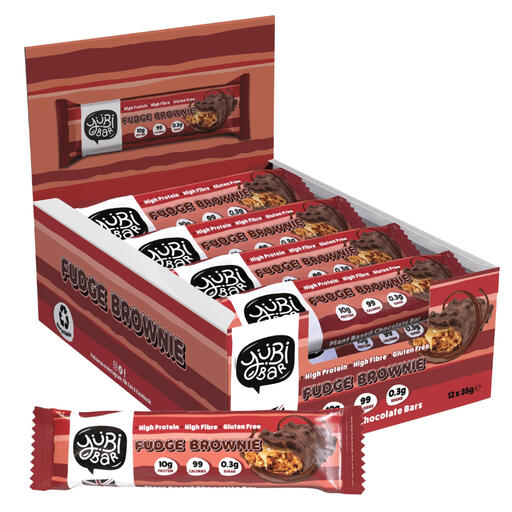
Why It Stands Out: This bar is a great example of a modern, diet-conscious high protein snack. It combines a rich fudge brownie flavour with a dark chocolate coating, but what makes it notable is its formulation. It is entirely plant-based and gluten-free, making it accessible for a wide range of dietary preferences.
At just 99 kcal per 35g bar, it’s a lighter option that still delivers a solid 10g of protein. This makes it an excellent choice for those managing their calorie intake without wanting to compromise on protein.
Pros:
Who is it for? Individuals looking for a lighter, plant-based or gluten-free protein boost that satisfies a sweet craving without a high calorie count.
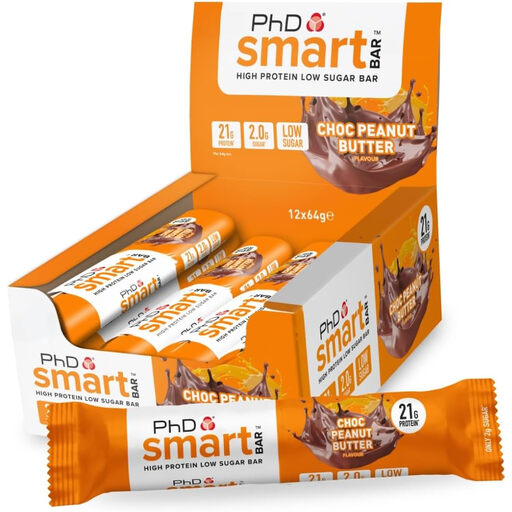
Why It Stands Out: For those with more demanding protein needs, the PhD Smart Bar is a substantial option. Each 64g bar packs approximately 21g of protein, making it a powerful post-workout snack for muscle maintenance and growth.
Its key feature is the combination of high protein with exceptionally low sugar—only 2.0g per bar. The texture is also a highlight, with a gooey caramel layer and crispy pieces that mimic a conventional confectionery bar, offering a satisfying experience for those on macro-friendly diets. It is also formulated without palm oil.
Pros:
Who is it for? Fitness enthusiasts and gym-goers who need a significant protein intake to support recovery or anyone on a low-sugar diet looking for a filling, macro-friendly snack.
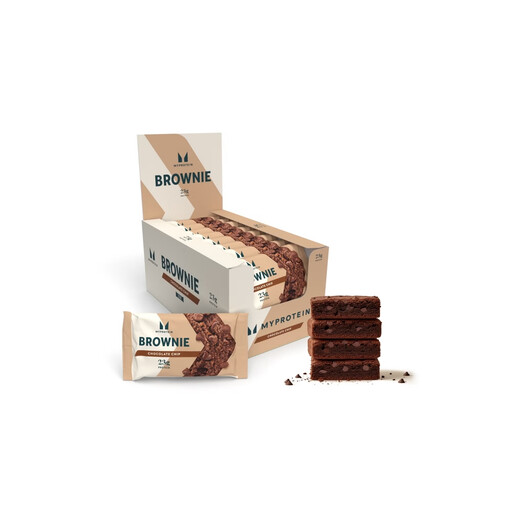
Why It Stands Out: This is less of a bar and more of a protein brownie, offering a dense, soft and chewy texture that feels particularly indulgent. It leads the pack in terms of protein, delivering a massive 25g of protein per 75g brownie. This makes it one of the most protein-dense options available.
Despite its rich chocolate flavour and real milk chocolate chunks, it keeps the sugar content impressively low at just 3g per serving. The protein blend includes milk proteins and hydrolysed collagen peptides, offering a comprehensive profile to support your fitness goals.
Pros:
Who is it for? Athletes and individuals with high protein requirements who want a substantial, dessert-like snack to aid muscle recovery and growth.
While bars are incredibly convenient, sometimes you might prefer a different format. If you're interested in a quick, drinkable protein source, you might want to explore our range of Chocolate Protein Drink options, which are perfect for rapid post-workout refuelling.
A protein bar can be eaten at any time of day. Many people consume them within an hour after a workout to help with muscle repair. They also work well as a mid-morning or afternoon snack to curb hunger and boost protein intake between meals or as a convenient on-the-go option when you're short on time.
Protein bars can be part of a healthy diet when chosen carefully. It's important to see them as a supplement to a balanced diet of whole foods, not a replacement. Opt for bars with low sugar, a good amount of fibre and minimal processed ingredients. Always check the nutrition label to ensure it aligns with your personal dietary goals.
Yes, they can contribute to muscle growth and maintenance. Protein is an essential macronutrient for repairing the muscle fibres that are broken down during exercise. Consuming a high-protein snack like a protein bar after a workout provides your body with the amino acids it needs to rebuild muscle, making it stronger. This should be combined with a consistent training routine and a balanced overall diet.