
24/7 Customer Support

Free returns

Same-day & Next-day Delivery

Quality Guaranteed

Unlock Your Welcome Offers: FREE Delivery | Up to 80% OFF | Free 30-day JoyPlus trial
Download the APP
Navigating the world of protein bars can feel like a workout in itself. Shelves are packed with options, all promising to be the perfect high-protein snack. Yet, many UK shoppers find themselves disappointed with a chalky, overly sweet bar that’s more like a standard chocolate bar in disguise. As a Joybuy Product Recommendation Officer, my role is to help you see past the marketing jargon and choose a product that genuinely fits your lifestyle and nutritional goals.
Before you add any bar to your basket, it's worth being aware of a few common pitfalls that can lead to a poor purchase.
To avoid these traps, focus on a few core parameters. Understanding these will empower you to select a protein bar that works for you, whether it's for a post-workout snack, a convenient meal replacement or simply a healthier way to manage cravings.
The headline protein number is important, but context is key. A good starting point is to look for bars that offer at least 15-20 grams of protein per serving, especially if you're using them for post-workout recovery. The source of protein also matters.
This is where many "healthy" bars fall short. When analysing the label, pay attention to:
Finally, always check for allergens and other dietary markers. Many brands now offer certified gluten free protein bars, but cross-contamination can be a risk, so always read the allergen statement. Whether you need a quick snack for your commute or a substantial bar to replace a light meal, matching the bar's profile to its intended use is crucial for satisfaction.
Based on these practical criteria, here are a few protein bars that align with different needs and preferences for UK consumers.
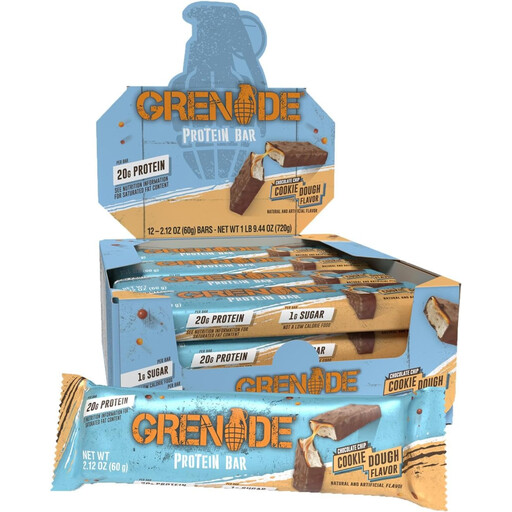
Why This Fits Their Persona: For busy professionals in the UK, this bar offers a convenient and satisfying way to curb afternoon hunger without resorting to high-sugar office snacks. It tastes like a treat but provides sustained energy.
It directly counters the "texture letdown" with its multi-layered, soft-baked feel and avoids the "healthy confectionery trap" by containing only 1.4g of sugar per 60g bar.
Delivers a substantial 21g of protein per bar from a milk protein blend, making it a genuinely high-protein snack. The indulgent flavour profile satisfies sweet cravings effectively.

Why This Fits Their Persona: Ideal for those following a plant-based or gluten-free diet who don't want to compromise on taste. It's a lighter, lower-calorie option that still provides a useful protein boost.
This bar avoids the trap of limited dietary options by being explicitly plant-based and gluten-free. It also sidesteps the high-calorie pitfall, containing just 99 calories per bar.
Provides 10g of protein from pea and soy sources in a compact 35g bar. The fudge brownie flavour and dark chocolate coating offer a rich taste with only 0.5g of sugar.

Why This Fits Their Persona: For those who need more than just a snack, this bar is designed as a nutritionally complete meal replacement, making it perfect for managing calorie intake on busy days without skipping essential nutrients.
It avoids the trap of using a simple protein bar as a meal. Unlike standard snacks, it is fortified with a full spectrum of 23 essential vitamins and minerals to provide balanced nutrition.
Offers balanced macronutrients (16g protein, 22g carbs per bar) and is high in fibre to promote satiety. It serves as a structured, calorie-controlled meal replacement option.
We have compiled a complete, real-time list of products that fully satisfy these strict selection criteria and UK safety regulations.
Most standard protein bars are designed as snacks to supplement your protein intake, particularly after exercise or between meals. They are not typically formulated to replace a whole meal as they may lack the full range of vitamins, minerals and fibre found in a balanced dish. However, some products, often labelled as meal replacement bars, are specifically fortified with these micronutrients to serve that purpose. Always check the product description to understand its intended use.
The timing depends on your goal.
If you experience bloating or discomfort after eating a protein bar, it may be due to certain ingredients. A common cause is the high concentration of polyols (sugar alcohols) like maltitol, xylitol or sorbitol, which are used to provide sweetness without sugar. While safe, they can have a laxative effect or cause gas in some people, especially when consumed in large quantities. If you have a sensitive stomach, you may want to look for bars sweetened with other ingredients or consume them in moderation.