
24/7 Customer Support

Free returns

Same-day & Next-day Delivery

Quality Guaranteed

Unlock Your Welcome Offers: FREE Delivery | Up to 80% OFF | Free 30-day JoyPlus trial
Download the APP
Navigating the world of protein bars can feel like a workout in itself. Shelves are packed with options all claiming to be the perfect high protein snack. Yet, many UK shoppers find themselves disappointed with a purchase that’s either a glorified chocolate bar or has a texture like flavoured cardboard. As a Joybuy Product Recommendation Officer, my role is to help you see past the marketing jargon and make a choice that genuinely fits your lifestyle and goals.
Before you buy, be aware of these common pitfalls:
To avoid these traps, focus on a few key metrics on the nutrition label. This is how you can properly analyse what you're about to buy.
A simple way to gauge a bar's purpose is to look at its protein-to-calorie ratio. For a snack aimed at supporting fitness goals, a good guideline is to look for at least 1 gram of protein for every 10-15 calories. For example, a 200-calorie bar should ideally offer between 13g and 20g of protein. This helps distinguish a dedicated protein supplement from a high-calorie energy bar.
For those seeking low sugar protein bars, this section is crucial. Many bars achieve a low sugar content by using sugar alcohols (polyols) like maltitol, xylitol or erythritol. You'll see this listed under the carbohydrates section on the label. While they don't count as sugar, they provide sweetness. Be mindful that for some individuals, consuming high amounts of certain polyols can lead to digestive discomfort. It's about finding a balance that works for you.
The type of protein used affects its suitability for different needs.
Instead of a generic list, here are recommendations matched to specific needs and lifestyles common in the UK.
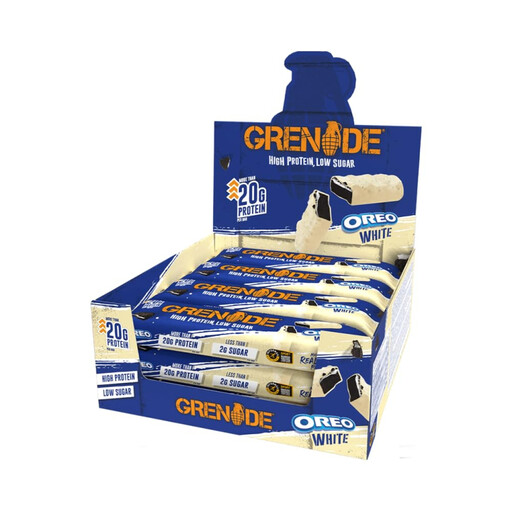
Why This Fits Their Persona: This user wants a treat that feels indulgent but doesn't compromise their fitness goals. The iconic Oreo flavour is a huge draw, making it one of the most talked-about options for the best tasting protein bars in the UK without the associated sugar guilt.
It directly counters the "flavour vs. texture" disappointment. Its multi-layered construction with a soft core and real cookie pieces provides a genuine dessert-like experience, far from the typical monolithic, chalky protein bar.
Delivers a substantial 21g of protein per 60g bar while keeping sugar incredibly low at just 1.3g. This makes it an excellent fit for low carb snacks and macro-conscious diets.
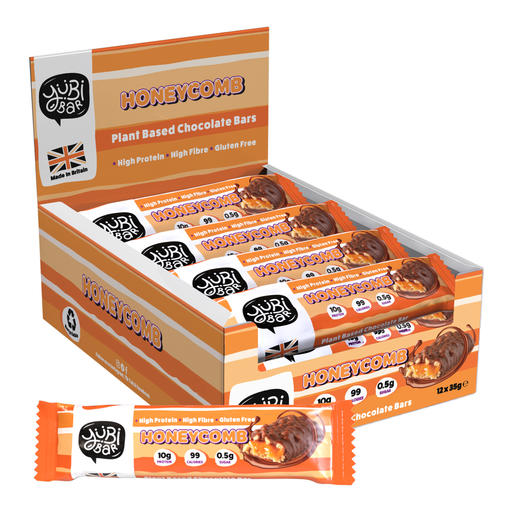
Why This Fits Their Persona: This is for the growing number of UK consumers seeking vegan protein bars that are also genuinely light. It's a smaller, 35g bar perfect for a quick snack rather than a heavy post-gym refuel.
It sidesteps the "healthy halo" trap by being transparently low in calories and sugar. At just 99 calories and 0.5g of sugar, its nutritional information matches its positioning as a light, healthy snack.
It's fully plant-based and gluten-free, catering to multiple dietary requirements. The 10.5g of protein is substantial for a bar of this size and calorie count, making it a very efficient snack.
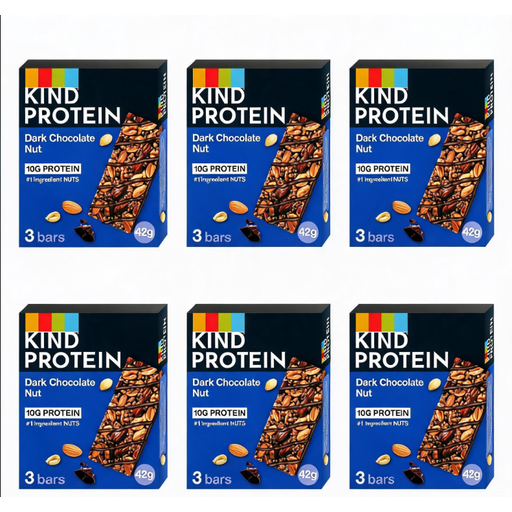
Why This Fits Their Persona: This user is wary of long, chemical-sounding ingredient lists. They want a snack that is made from recognisable whole foods. This bar's ingredient-forward approach is ideal for the health-conscious UK consumer who values transparency.
It avoids the artificial taste and texture pitfall by building the bar around whole ingredients. The primary component is nuts, not a processed protein blend, which provides a natural, satisfying crunch and flavour.
The #1 ingredient is nuts (peanuts and almonds), providing 10g of protein per bar from a natural, plant-based source. It's also a good source of fibre and is gluten-free.
We have compiled a complete, real-time list of products that fully satisfy these strict selection criteria and UK safety regulations.
While convenient, protein bars should be seen as a supplement to a balanced diet of whole foods, not a replacement for it. Most brands recommend consuming one or two bars per day at most. It's also wise to check the polyol content; as mentioned, excessive consumption can cause digestive upset in some people. Always read the packaging for specific guidance.
They can be a useful tool. A high-protein, low-sugar bar can help you feel full and satisfied, making it a smarter choice than a high-sugar, high-fat snack when hunger strikes. This can help you stay within your daily calorie targets. However, they are not a magic solution. Weight management ultimately comes down to overall calorie balance and a healthy lifestyle.
This depends on your goal.