
24/7 Customer Support

Free returns

Same-day & Next-day Delivery

Quality Guaranteed

Unlock Your Welcome Offers: FREE Delivery | Up to 80% OFF | Free 30-day JoyPlus trial
Download the APP
The protein bar aisle can feel like a minefield. With packaging that promises peak performance and guilt-free indulgence, it's easy to grab a bar that looks healthy but is little more than a glorified chocolate bar. As a Joybuy Product Recommendation Officer, my role is to help you see past the marketing jargon and make smarter choices. Before you spend your money, let's look at the common pitfalls many UK shoppers fall into.
healthy snack bars, but a quick look at the nutritional information reveals a different story. Some contain as much sugar as a standard confectionery bar, completely undermining your health goals. The front of the box might show wholesome-looking ingredients, but the back tells the truth.low sugar protein bars are packed with polyols (sugar alcohols) like maltitol and xylitol. For a significant number of people, consuming these in high amounts can lead to digestive discomfort, bloating and an upset stomach, turning your convenient snack into an inconvenient problem.To avoid these traps, you don't need a degree in nutrition. You just need to know what to look for. Focus on these three key parameters to find a bar that genuinely works for you.
A simple way to judge a bar's efficiency is to compare its protein content to its total calories. A bar with 20 grams of protein and 400 calories serves a very different purpose to one with 20 grams of protein and 220 calories. The former is closer to a meal replacement bar, while the latter is a more targeted high protein snack. For a lean post workout snack, aim for a bar that provides at least 10 grams of protein for every 100-120 calories.
This is non-negotiable. A truly beneficial protein bar should be low in sugar and contain a decent amount of fibre.
The type of protein used affects how your body will use it. Here’s a quick breakdown:
post workout snack to aid muscle recovery. Casein is slow-digesting, providing a more sustained release of amino acids, which is great for satiety. Many bars use a blend of both.vegan protein bars are an excellent choice. Look for bars that use a blend of plant proteins (like pea and rice) to ensure a complete amino acid profile. Soy protein is a complete protein on its own and is a very effective plant-based option.gluten free protein bars. Brands are increasingly using ingredients like gluten-free oats or tapioca starch, but it's crucial to always check the label and allergen information if you have coeliac disease or a sensitivity.Instead of a generic list, we've matched some standout options to the people they're most suited for.
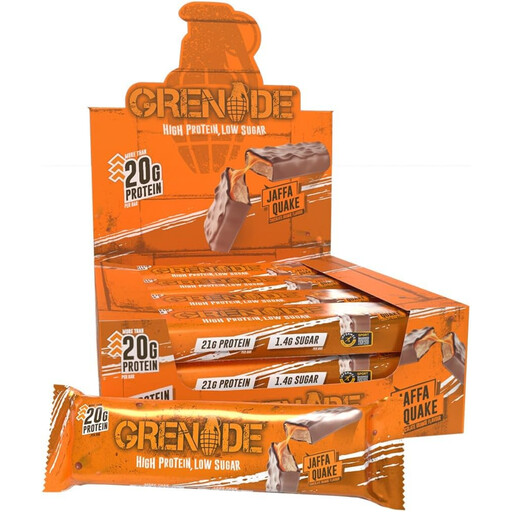
Why This Fits Their Persona: After a tough gym session, you need protein, fast. This bar delivers a solid 21g of high-quality milk protein to support muscle repair, while the classic Jaffa Quake flavour feels like a well-earned treat without derailing your progress.
It sidesteps the "healthy snack" disguise by delivering a genuinely high-performance formula. With only 1.4g of sugar, it proves that a dessert-like flavour doesn't require a high sugar content.
An excellent protein-to-calorie ratio (21g protein for 204 kcal) makes it an efficient choice for lean muscle support. The multi-layer texture is far more satisfying than many other bars.

Why This Fits Their Persona: For those on a low-carb or calorie-controlled diet, the afternoon slump is a real threat. This bar is designed to be a macro-friendly low carb snack that satisfies cravings and provides lasting energy without the sugar crash, making it perfect for keeping in your desk drawer.
It directly counters the protein quality puzzle by using a robust blend of milk, whey and soy proteins. With just 2g of sugar, it's transparently designed for a low-sugar lifestyle.
The 21g of protein promotes significant satiety, helping to prevent further snacking. It is also formulated without palm oil, a plus for many conscious consumers.
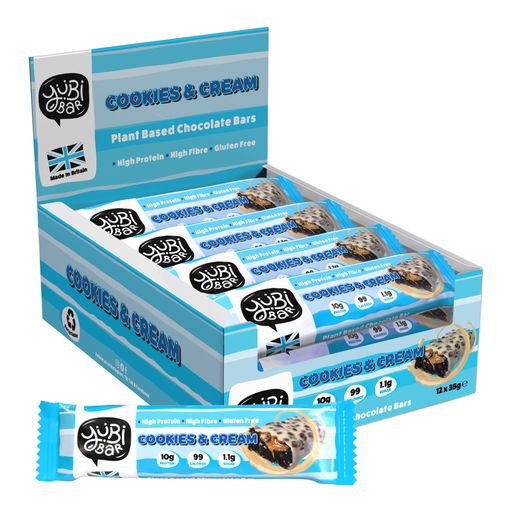
Why This Fits Their Persona: Finding a vegan protein bar that is also gluten-free and doesn't taste like cardboard can be a challenge. This bar is specifically designed for that audience, offering a tasty, convenient and diet-compliant snack.
It uses a quality plant protein blend (pea and soy) and is HFSS compliant, confirming its status as a genuinely healthier choice. At only 1.1g of sugar, it completely avoids the high-sugar trap.
At under 100 calories, it's one of the lightest protein-fortified snacks available, delivering 10g of protein without a heavy caloric cost. It's a great entry-level or lighter-day option.
We have compiled a complete, real-time list of products that fully satisfy these strict selection criteria and UK safety regulations.
For most people, eating a protein bar daily is perfectly fine, provided it's part of a varied and balanced diet. Think of them as a supplement to help you reach your protein goals, not a replacement for whole food meals. However, if you are sensitive to them, be mindful of bars with high polyol content, as daily consumption could lead to consistent digestive discomfort.
While you can use a protein bar to replace a meal in a pinch, most standard high protein snacks are not designed for this. Dedicated meal replacement bars are nutritionally fortified with a wider range of vitamins and minerals to better replicate the profile of a full meal. If you plan to replace meals regularly, look for products specifically marketed for that purpose, like the Slimfast Meal Support Bars.
This is almost always due to the high concentration of polyols (sugar alcohols) like maltitol, xylitol and sorbitol. These sweeteners are used to create a sweet taste in low sugar protein bars but are not fully absorbed by the gut. This can cause gas, bloating and a laxative effect in sensitive individuals. If this happens to you, check the ingredients list for these sweeteners and consider trying a bar with a lower polyol content or one sweetened with stevia or sucralose instead.