
24/7 Customer Support

Free returns

Same-day & Next-day Delivery

Quality Guaranteed

Unlock Your Welcome Offers: FREE Delivery | Up to 80% OFF | Free 30-day JoyPlus trial
Download the APP
Navigating the world of protein bars can feel overwhelming. With endless options lining the shelves, it’s difficult to distinguish a genuinely beneficial snack from a glorified chocolate bar. Many are packed with hidden sugars or have a texture that leaves much to be desired. If you're looking for a convenient way to support your active lifestyle, manage your diet or simply find a satisfying on-the-go snack, you need clear, straightforward information.
This guide is designed to help you do just that. We'll break down what to look for on the label and provide our top recommendations to help you find a protein bar that fits your specific needs, whether you're fuelling up after a workout or need a quick bite during a busy day.
Before jumping into our recommendations, let's cover a few key factors to consider. Understanding these will empower you to make an informed choice every time.
The front of the package tells a story, but the nutritional information tells the facts. Look beyond the headline protein claim. A good approach is to check the protein-to-calorie ratio. Also, pay close attention to the sugar content. Many bars use sugar alcohols (polyols) like maltitol to keep the "sugar" number low. While useful, consuming them in large quantities can sometimes cause digestive discomfort for some individuals. For those managing their weight, diet protein bars with high fibre and controlled calories can be particularly useful.
Protein isn't a one-size-fits-all ingredient. The source determines its suitability for different dietary needs.
Why are you reaching for a bar? If it's for post-workout recovery, a bar with 20g or more of protein is a solid choice. If you need a light, healthy snack bar to tide you over between meals, a smaller bar with around 10-15g of protein and fewer than 200 calories might be more appropriate. The right bar is one that aligns with your daily activity level and nutritional targets.
Here are a few standout options that cater to a range of different goals and dietary preferences.
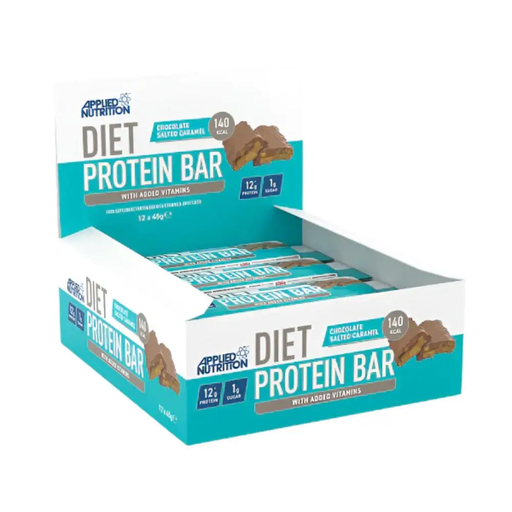
Why It Stands Out: This bar is specifically formulated for those with an eye on their macros. It combines a solid protein base with very low sugar content and is fortified with a vitamin complex, N-Acetyl L-Carnitine and Green Tea Extract, offering additional nutritional support beyond just protein.
Pros:
Who is it for? This is an excellent choice for individuals on a calorie-controlled or low-sugar diet who want a convenient snack that also provides a vitamin boost.
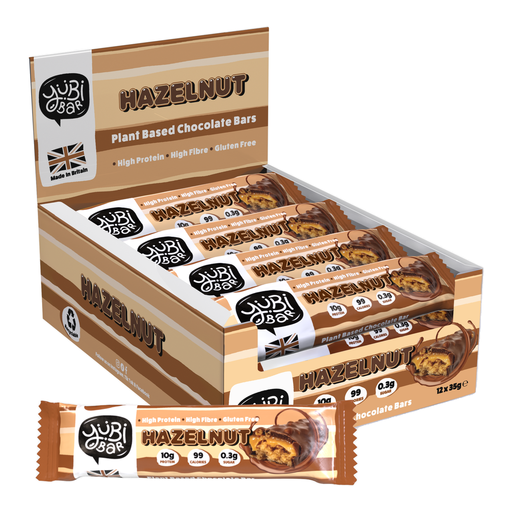
Why It Stands Out: Finding a vegan protein bar that delivers on both taste and nutrition can be a challenge, but this one succeeds. It uses a plant-protein blend, is gluten-free and comes in at under 100 calories, making it a light yet satisfying option. The combination of a hazelnut base, caramel layer and vegan chocolate coating makes it feel like a genuine treat.
Pros:
Who is it for? Ideal for those following a plant-based or gluten-free diet or anyone seeking a lower-calorie high protein snack to satisfy a sweet craving without derailing their nutritional goals.
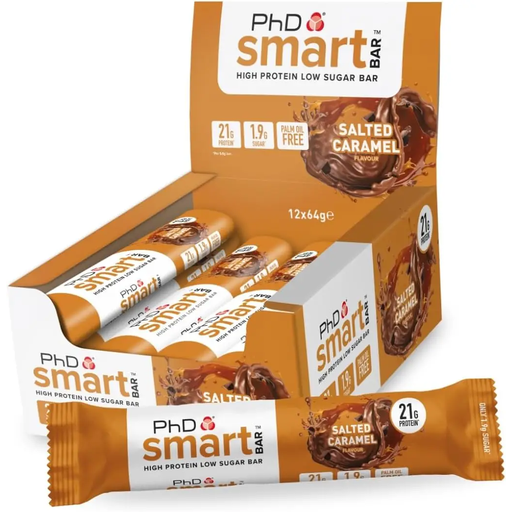
Why It Stands Out: For those serious about their protein intake, the PhD Smart Bar is a heavyweight contender. Delivering a substantial 20g of protein in a larger 64g bar, it's designed to be a truly functional snack. The multi-source protein blend, including milk, whey and collagen, supports muscle maintenance effectively, while the formulation remains impressively low in sugar and is palm oil-free.
Pros:
Who is it for? This bar is well-suited for athletes and regular gym-goers who need a significant protein hit as a post-workout snack or for anyone looking for a more substantial bar to replace a small meal in a pinch.
These recommendations cover some great all-rounders, but everyone's needs are different. If you're looking to stock up on other on-the-go essentials for your gym bag or daily routine, you can explore our full range of products.
Explore our full range of packing aids to support your active lifestyle >>
Protein bars can be a healthy and convenient part of a balanced diet, provided you choose wisely. They are a better alternative to snacks high in sugar and low in nutrients, like biscuits or crisps. Look for bars with a good balance of protein, fibre and low sugar content. They should be seen as a supplement to a diet rich in whole foods, not a replacement for it.
For most people, eating one protein bar a day is perfectly fine, especially if it helps you meet your daily protein targets or replaces a less healthy snack. However, it's important to read the label. Some bars are high in saturated fat or sugar alcohols (polyols), which may cause digestive issues if consumed excessively. Moderation is key.
When choosing vegan protein bars, check that they contain a complete protein source. This is often achieved by blending different plant proteins, such as pea and soy, to ensure you get all the essential amino acids. Also, confirm that all other ingredients, including any coatings or binders, are certified plant-based.