
24/7 Customer Support

Free returns

Same-day & Next-day Delivery

Quality Guaranteed

Unlock Your Welcome Offers: FREE Delivery | Up to 80% OFF | Free 30-day JoyPlus trial
Download the APP
Protein bars have become a staple in the UK, moving from gym bags to office drawers as convenient on-the-go snacks. Yet, the sheer variety can be overwhelming. With packaging that often promises more than it delivers, it's easy to choose a bar that undermines your health goals. As a Joybuy Product Recommendation Officer, my role is to help you see past the marketing jargon and make an informed choice. Before you buy your next box, let's look at the common pitfalls to avoid.
Navigating the world of healthy snack bars can feel like a minefield. Many consumers find themselves disappointed, and it usually comes down to a few recurring issues:
To ensure you're getting what you pay for, focus on these three key parameters on the nutrition label.
A simple way to gauge a bar's efficiency is to compare its protein content to its total calories. A bar with a high protein density provides more of the nutrient you're seeking without an excessive calorie load. As a general guideline, look for at least 1 gram of protein for every 15 calories. For those focused on muscle building or recovery, a ratio closer to 1 gram of protein for every 10 calories is even better. This helps ensure you're choosing a genuine high protein snack and not just a calorie-dense bar.
This is non-negotiable. Always check the "Carbohydrates (of which sugars)" line. A truly low sugar protein bar should have 5g of sugar or less per serving. Many brands use sugar alcohols (polyols) like maltitol or xylitol to provide sweetness without sugar. While this helps create effective low carb protein bars, be aware that consuming them in large quantities can sometimes cause digestive discomfort for some individuals.
The type of protein matters. The most common sources include:
Consider options like protein flapjacks, which combine protein with oats for a mix of protein and slow-release carbohydrates, offering more sustained energy.
To help you choose, here are a few options from our catalogue, matched to specific needs and lifestyles.

Why This Fits Their Persona: For those in the UK hitting the gym hard, this bar provides a substantial protein dose to support muscle repair and growth immediately after a workout. It's a no-nonsense fuel source.
It directly counters the "Protein vs. Filler" problem by delivering a very high 25g of protein per 75g bar, ensuring you get a potent dose of protein for your calories.
Features a blended protein source (milk proteins, collagen) for varied absorption rates and contains only 3g of sugar per bar.
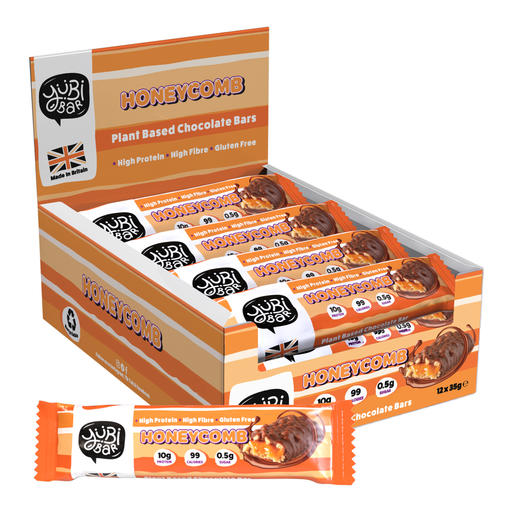
Why This Fits Their Persona: Perfect for the UK professional needing a light, convenient snack to beat the 3 pm slump without the guilt. Its low-calorie profile makes it a smart choice for a desk drawer or handbag.
This bar avoids the "One-Size-Fits-All" myth. It is specifically designed as a light, portion-controlled snack, not a heavy meal replacement, with just 99 calories per bar.
Delivers 10g of plant-based protein with only 0.5g of sugar. It is also gluten-free, making it suitable for a wide range of dietary needs.

Why This Fits Their Persona: For those on a low-carb or ketogenic diet in the UK who miss indulgent treats. This bar delivers a dessert-like experience without the sugar, helping to keep cravings at bay.
It masterfully avoids the "Confectionery in Disguise" trap by tasting like a treat while containing just 1.0g of sugar and a high 21g of protein, using polyols for sweetness.
Offers a multi-layered, crunchy texture that mimics a conventional chocolate bar. The high protein content also promotes satiety, helping to manage hunger.
We have compiled a complete, real-time list of products that fully satisfy these strict selection criteria and UK safety regulations.
While convenient, most protein bars are designed as snacks, not meal replacement bars. A true meal replacement bar is typically higher in calories (200-400 kcal) and fortified with a broader range of vitamins and minerals to provide balanced nutrition. If you plan to use a bar as a meal replacement, check the label to ensure it is specifically formulated for that purpose, like the Slimfast Meal Support Bars.
It's best to treat protein bars as a supplement to a balanced diet of whole foods. One or two a day is generally considered reasonable for most active adults. Always check the product's packaging for specific recommendations. Consuming too many, especially those high in polyols, may lead to digestive upset.
Protein is essential for repairing and building muscle tissue after exercise. A protein bar is a convenient way to get this nutrient in, particularly during the crucial post-workout window. However, they are a tool, not a magic solution. Muscle gain is the result of consistent training, adequate total daily protein intake and sufficient calorie consumption. A protein bar can effectively contribute to that overall intake.