
24/7 Customer Support

Free returns

Same-day & Next-day Delivery

Quality Guaranteed

Unlock Your Welcome Offers: FREE Delivery | Up to 80% OFF | Free 30-day JoyPlus trial
Download the APP
Protein bars have become a staple in the UK for anyone from gym-goers to busy professionals seeking a convenient nutritional boost. They promise a quick, healthy and satisfying snack. However, the reality is that the market is flooded with options that can be misleading. Many bars are not as healthy as they appear, leading to wasted money and derailed health goals.
As the Joybuy Product Recommendation Officer, my role is to help you see past the marketing jargon. Let's look at the common pitfalls to avoid when selecting your next pack of protein bars.
To make an informed choice, you need to look beyond the front-of-pack claims. Here are three key factors to analyse on the nutrition label.
The first thing to check is the amount of protein per serving. A good rule of thumb for a dedicated protein snack is to look for at least 15-20 grams of protein. For a lighter snack or a smaller bar, 10 grams can be sufficient.
Equally important is the protein source:
To create low sugar protein bars, manufacturers often use sugar alcohols, also known as polyols. Look for names like maltitol, xylitol, erythritol and sorbitol in the ingredients list. These provide sweetness without the calories of sugar.
However, be aware that for some individuals, consuming large amounts of polyols can lead to digestive discomfort, such as bloating or a laxative effect. If you are sensitive, it is wise to consume these bars in moderation.
Always check the full ingredients list for allergens. Common allergens in protein bars include milk, soy, peanuts, tree nuts and wheat (gluten). If you have specific dietary requirements, look for clear labelling such as gluten free snack bars or certifications from organisations like The Vegan Society.
To help you navigate the options, here are a few recommendations matched to different needs and lifestyles.
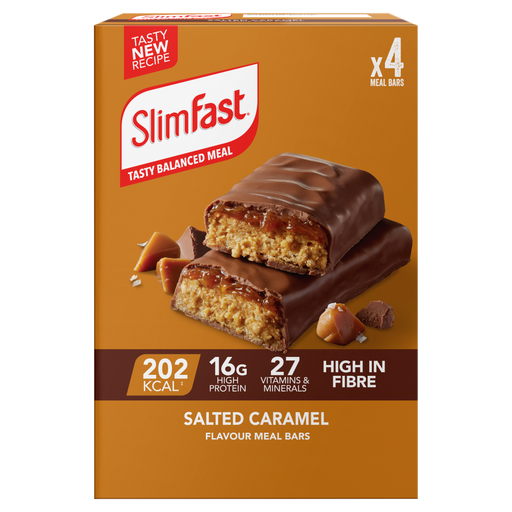
Why This Fits Their Persona: When you're too busy for a proper lunch, you need more than just a snack. This bar is designed as a meal replacement bar, fortified with a full spectrum of essential vitamins and minerals to provide balanced nutrition, not just protein.
It avoids being a "hidden sugar bomb" by being transparent about its purpose as a structured meal replacement. Its nutritional profile is balanced with protein (16g), fibre and 23 vitamins and minerals to support satiety and wellness.
Fortified with a comprehensive vitamin and mineral complex. Designed to provide lasting satiety, making it a genuine substitute for a light meal.

Why This Fits Their Persona: For those tracking macros and keeping sugar intake to a minimum, this bar delivers. It packs a significant protein punch (20g) with very little sugar (2.0g), making it an ideal post-workout treat or a guilt-free snack that tastes indulgent.
It directly counters the "protein mirage" and "sugar bomb" traps. The protein-to-calorie ratio is strong (20g protein for 242 kcal), and it uses sweeteners to keep sugar exceptionally low, aligning perfectly with a low-carb lifestyle.
High protein content (20g) from a milk protein blend. Extremely low in sugar (2.0g), making it suitable for strict low-carb and ketogenic diets.
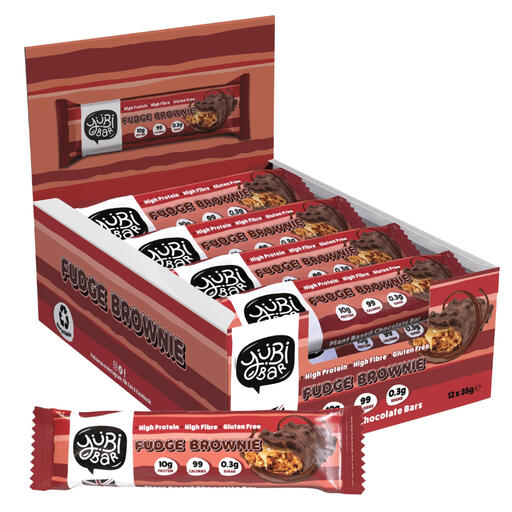
Why This Fits Their Persona: This bar is ideal for those who want a lighter, plant-based snack without a high calorie count. It is a vegan protein bar and gluten-free snack bar that delivers 10g of protein for under 100 calories, making it a perfect mid-afternoon pick-me-up.
It avoids the common traps by being specifically designed for a niche: a low-calorie, plant-based audience. It is not pretending to be a 25g protein beast; it is an efficient, light snack with a solid protein-to-calorie ratio (10g protein for 99 kcal).
Fully plant-based (vegan) and gluten-free. Very low in calories (99 kcal per bar) and sugar (0.5g), making it suitable for calorie-controlled diets.
We have compiled a complete, real-time list of products that fully satisfy these strict selection criteria and UK safety regulations.
Yes, you can eat protein bars daily as part of a varied and balanced diet. They should be seen as a supplement to, not a replacement for, whole food meals. Be mindful of the ingredients; if you are consuming bars high in polyols (sugar alcohols) every day, monitor for any digestive discomfort.
This depends on your goals. To aid muscle recovery, consuming a protein bar within an hour after a workout is effective. As a snack, they are great for curbing hunger between meals and preventing you from reaching for less healthy options. If using one as a meal replacement, ensure it is specifically formulated for that purpose with a balanced profile of macronutrients, vitamins and minerals.
They can be a useful tool. The high protein content helps increase satiety, which can make you feel fuller for longer and reduce your overall calorie intake. However, it is crucial to choose low sugar protein bars and remain aware of the total calories per bar, as some can be quite energy-dense. Always check that the bar fits within your daily calorie targets.