
24/7 Customer Support

Free returns

Same-day & Next-day Delivery

Quality Guaranteed

Unlock Your Welcome Offers: FREE Delivery | Up to 80% OFF | Free 30-day JoyPlus trial
Download the APP
Protein bars have become a staple for many in the UK, from gym-goers needing post-workout fuel to busy professionals seeking a convenient, high-protein snack. However, the market is flooded with options and not all bars are created equal. Many are little more than glorified confectionery, packed with hidden sugars and fillers that can undermine your health goals.
As a Joybuy Product Recommendation Officer, my role is to help you navigate this confusing landscape. This guide will highlight the common traps to avoid and provide a clear framework for selecting a protein bar that genuinely supports your lifestyle, whether you're looking for a low-sugar treat or a serious performance aid.
Before you even look at flavours, be aware of these frequent issues that lead to disappointing purchases:
To ensure you're making a smart choice, focus on these three key factors. They will help you see past the marketing and assess the true quality of any protein bar.
This is the most critical metric. A good protein bar should provide a substantial amount of protein without a huge sugar load.
The type of protein used affects its absorption rate and suitability for different dietary needs.
Why are you eating the bar? Your goal determines which type is most suitable.
Based on the criteria above, here are a few options from our catalogue that align with different needs and preferences for UK consumers.
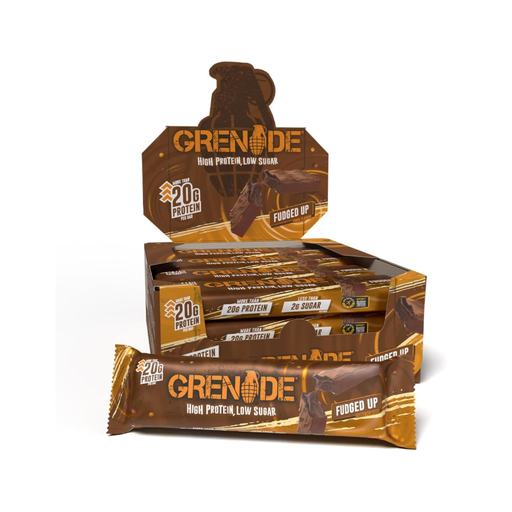
Why This Fits Their Persona: This user is serious about their macros and needs a reliable post-workout food. They track their intake carefully and cannot afford a sugar crash. The high protein content and Informed Sport certification make it a trusted choice for competitive athletes and dedicated gym-goers in the UK.
It directly counters the "healthy confectionery" trap by delivering an indulgent fudge flavour with only 1.7g of sugar per bar. The triple-layered texture also avoids the common issue of dry, chalky bars.
Provides a substantial 20g of protein from a milk protein blend to support muscle recovery. It is also Informed Sport certified, meaning it's tested for banned substances.
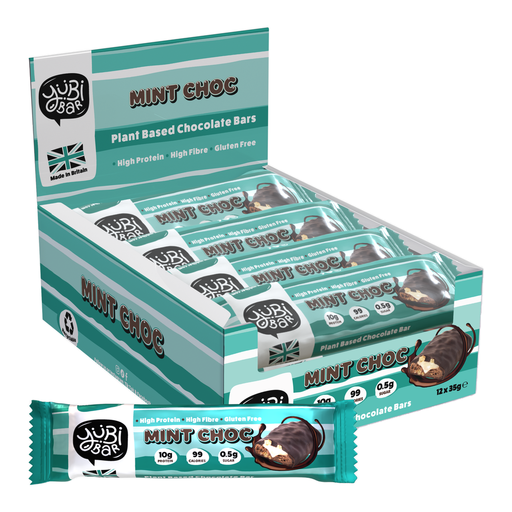
Why This Fits Their Persona: This individual seeks a vegan and gluten-free protein bar that doesn't compromise on taste. They want a lighter, low-calorie snack for a midday boost that aligns with their dietary principles and busy UK lifestyle.
It avoids the protein quality illusion for vegans by using a blend of pea and soya protein. With just 0.5g of sugar and under 100 calories, it's a genuinely light and healthy snack, not a hidden sugar bomb.
Provides 10g of plant-based protein per bar. It is specifically formulated to be gluten-free and uses vegan chocolate, making it suitable for multiple dietary restrictions.
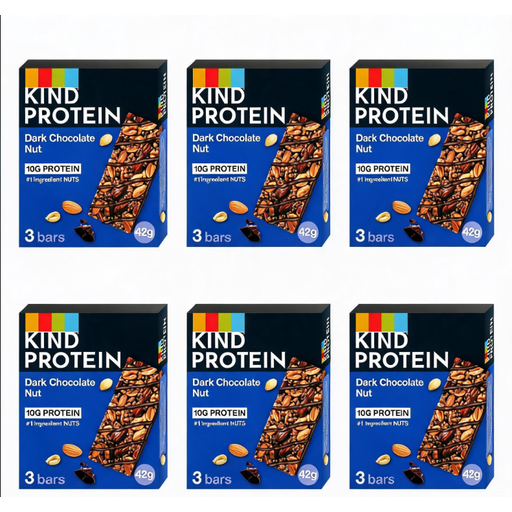
Why This Fits Their Persona: This consumer prioritises whole, recognisable ingredients. They are sceptical of long, chemical-sounding ingredient lists and prefer their nutrition to come from natural sources. This bar is perfect as a wholesome, satisfying snack during a busy day or after light activity.
It sidesteps the texture problem by using whole peanuts and almonds as its primary ingredient, providing a natural, crunchy texture. The ingredient list is transparent and focuses on real food, avoiding the overly processed feel of many other bars.
Delivers 10g of plant-based protein in a 42g bar. It is also a good source of fibre and is gluten-free, making it a well-rounded choice for a natural energy boost.
We have compiled a complete, real-time list of products that fully satisfy these strict selection criteria and UK safety regulations.
They can be, provided you choose wisely. A bar that is high in protein, high in fibre and low in sugar can be an excellent part of a balanced diet. The key is to read the nutritional label carefully and avoid those that are high in sugar and saturated fat, which fall into the "confectionery" trap.
This depends on your goals. For post-workout recovery, consuming a bar within 30-60 minutes of exercise can help with muscle repair. As a general snack, they are useful for curbing mid-afternoon hunger and preventing you from reaching for less healthy options. If you're using one as a meal replacement, ensure it has sufficient calories and nutrients to keep you full.
Polyols, or sugar alcohols, are sweeteners used in many low-sugar products. They provide a sweet taste with fewer calories than sugar and have a smaller impact on blood sugar levels. However, they are not completely absorbed by the body. For some individuals, consuming them in large quantities can lead to bloating, gas or a laxative effect. It's a matter of personal tolerance, so it's worth noting if a bar is high in polyols.