
24/7 全天候客户支持

免费退货

当日/次日达

品质保障

开启新人专享福利: 全场免邮 | 低至 2 折 | 免费试用 30 天 JoyPlus 会员
下载 Joybuy
Navigating the world of protein drinks can feel overwhelming. Shelves are packed with options, all promising to support your fitness goals. But with so much marketing clutter, it's easy to make a purchase you'll later regret. As your Joybuy Product Recommendation Officer, my role is to help you see past the hype and focus on what truly matters for your health and wallet.
Many of us have been there: you buy a multipack of shakes that taste chalky, are loaded with hidden sugars or simply don't deliver the protein punch they promise. Let's look at two common pitfalls to avoid.
To make an informed choice, focus on these core parameters before adding any protein drinks to your basket.
The origin of the protein affects its absorption rate and suitability for your dietary needs.
Look beyond the headline protein number and analyse the full nutritional profile. A good muscle support shake should have a high protein content relative to its calorie count. Pay close attention to:
Instead of a one-size-fits-all approach, we've matched some options to different lifestyles and goals.
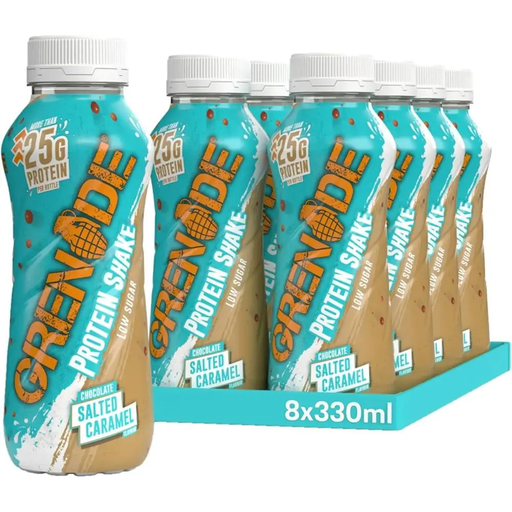
Why This Fits Their Persona: For those juggling a hectic schedule, convenience is paramount. This ready-to-drink format requires no prep and is easy to store in an office fridge or gym bag for a quick, satisfying protein boost that feels like a treat.
It sidesteps the "healthy sugar trap" by delivering an indulgent flavour with only 6.9g of sugar per 330ml bottle, while providing a substantial 26g of protein.
A high 26g of milk protein in a convenient, great-tasting format that satisfies cravings without the high sugar content of a typical high street milkshake.
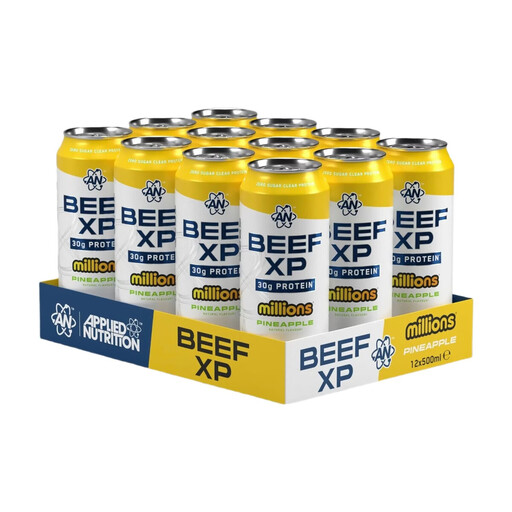
Why This Fits Their Persona: Ideal for anyone with lactose intolerance or who finds traditional milky shakes too heavy. This offers a refreshing, juice-like alternative that's light on the stomach but heavy on protein.
It completely avoids the dairy issue and delivers on its "low sugar" promise, with just 0.3g of sugar per 500ml bottle. It proves that a high-protein drink doesn't have to be a milkshake.
Provides a potent 30g of protein from beef protein isolate. It is fat-free, dairy-free and exceptionally low in sugar, making it a clean and effective option.
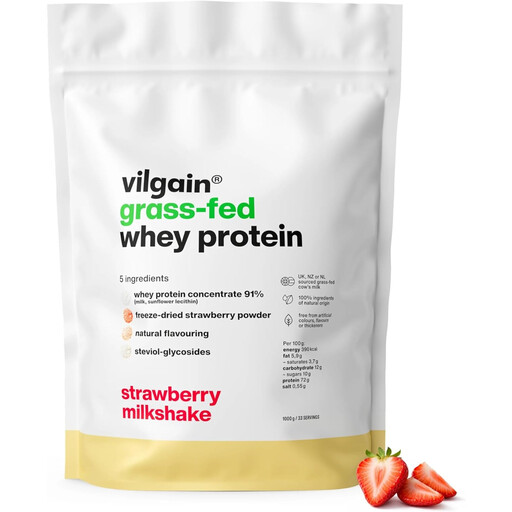
Why This Fits Their Persona: For those who use protein daily, powder offers superior value. This user prioritises ingredient quality and wants control over their shake's final composition, from the liquid used to any extra additions.
By opting for a powder, you control the additives. This product uses freeze-dried strawberry powder and natural sweeteners, avoiding the vague "flavourings" and hidden sugars of some pre-mixed drinks.
Excellent value per serving. It uses high-purity grass-fed whey protein concentrate (91%) and provides 22g of protein per 30g scoop, giving you full control and quality.
We have compiled a complete, real-time list of products that fully satisfy these strict selection criteria and UK safety regulations.
Both formats can be equally effective in delivering protein. The choice comes down to convenience versus cost and customisation. Ready-to-drink shakes are perfect for on-the-go situations and require no preparation. Protein powder is more economical on a per-serving basis and allows you to control the ingredients, calories and consistency by choosing what you mix it with (e.g., water for fewer calories, or milk for a creamier texture).
While the "anabolic window" is a popular topic, the general consensus is that total daily protein intake is more important than precise timing. However, consuming a protein drink within an hour or two after a workout can be beneficial for kick-starting the muscle repair process. They can also be used as a filling snack between meals to curb hunger or as a convenient way to boost the protein content of a meal, such as breakfast.