
24/7 全天候客户支持

免费退货

当日/次日达

品质保障

开启新人专享福利: 全场免邮 | 低至 2 折 | 免费试用 30 天 JoyPlus 会员
下载 Joybuy
Navigating the world of protein shakes can feel overwhelming. With shelves and websites filled with countless tubs and bottles, it's easy to fall for marketing hype that doesn't align with your goals. Many UK consumers find themselves with products that are either packed with hidden sugars or don't suit their lifestyle, leading to wasted money and frustration.
As the Joybuy Product Recommendation Officer, my role is to help you cut through the clutter. This guide will highlight the common pitfalls to avoid and clarify the essential factors to consider, ensuring you select a protein shake that genuinely supports your health and fitness objectives.
Before you add anything to your basket, be aware of these frequent traps:
To make an informed choice, focus on these three non-negotiable parameters.
The type of protein determines its digestion speed and suitability for different dietary needs.
Look beyond the headline protein number. A low calorie protein drink is defined by its complete nutritional makeup.
Your lifestyle will heavily influence which format is right for you.
To help you match a product to your needs, here are some options that align with different user profiles.
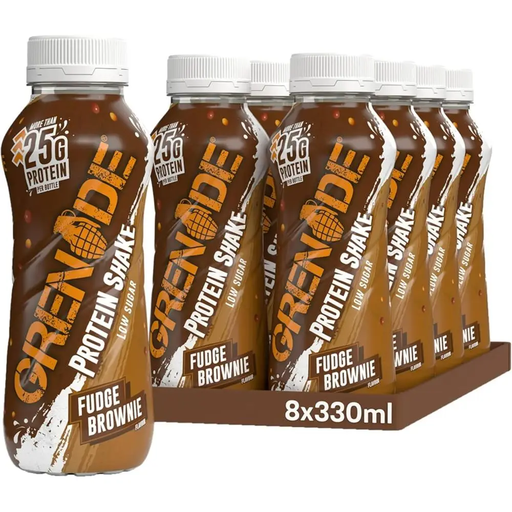
Why This Fits Their Persona: For those juggling a busy work schedule and fitness, convenience is paramount. This ready-to-drink shake requires no prep, making it an ideal grab-and-go option for a post-workout boost or a satisfying snack between meetings.
It has a clear nutritional label showing just 7g of sugars per 330ml bottle, directly countering the "hidden sugar" pitfall while delivering an indulgent flavour.
Delivers a substantial 26g of protein in a convenient, pre-mixed format. The smooth, milkshake-like texture makes it a genuinely enjoyable snack.
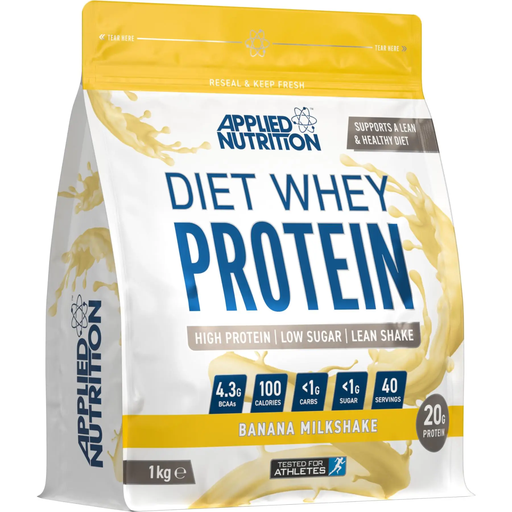
Why This Fits Their Persona: This powder is specifically formulated for those on a calorie-controlled diet. It combines protein with other ingredients to support body composition goals, making it more specialised than a standard whey protein.
It avoids the "meal replacement misconception" by being a targeted supplement. It also has a very low sugar content (1g per serving), making it an excellent low-calorie protein drink choice.
Contains 20g of protein per 90-calorie serving. Includes added ingredients like CLA, L-Carnitine and Green Tea Extract to support metabolic function.
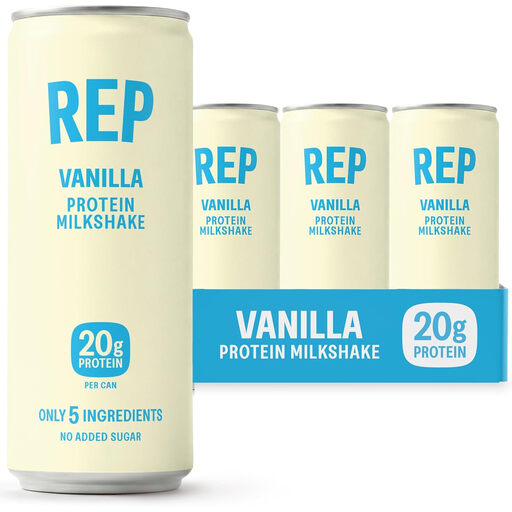
Why This Fits Their Persona: For the consumer who scrutinises labels and prefers products with no artificial additives, this shake is an ideal fit. Its minimalist approach provides a clean, straightforward protein source without unnecessary extras.
With only five ingredients and no artificial sweeteners, flavours or stabilisers, it completely sidesteps the pitfall of vague blends and hidden additives.
Provides 20g of protein from British milk in a simple, clean formula. It is gluten-free, vegetarian-friendly and contains no added sugar.
We have compiled a complete, real-time list of products that fully satisfy these strict selection criteria and UK safety regulations.
1. Can I use a protein shake to replace a meal? While convenient, most standard protein shakes are not designed to be meal replacements. They typically lack the balanced profile of carbohydrates, fats, fibre and essential micronutrients found in a complete meal. For that purpose, look for a specifically formulated meal replacement shake that is fortified with a full spectrum of nutrients.
2. When is the right time to have a protein shake? This depends on your goals. For muscle recovery, consuming a post workout shake within an hour of exercise is common. However, they can also be used as a high-protein snack between meals to curb hunger or as a way to boost the protein content of your breakfast, such as by adding powder to porridge.
3. Are ready-to-drink protein shakes as good as protein powder? Both formats can be effective. A ready to drink protein shake offers unparalleled convenience but often comes at a higher cost per serving. Protein powder is more economical and versatile, allowing you to control the liquid and consistency, but requires manual mixing. The choice comes down to balancing your budget, lifestyle and convenience needs.