
24/7 Customer Support

Free returns

Same-day & Next-day Delivery

Quality Guaranteed

Unlock Your Welcome Offers: FREE Delivery | Up to 80% OFF | Free 30-day JoyPlus trial
Download the APP
From hearty dahls to vibrant salads, pulses, grains and beans are the unsung heroes of the British pantry. They are economical, packed with nutrients and incredibly versatile. Yet, navigating the supermarket aisle can be surprisingly tricky. With so many options, it is easy to end up with a product that doesn't suit your recipe or your budget.
As the Joybuy Product Recommendation Officer, my role is to help you see past the marketing and make informed choices. Here, we will look at the common pitfalls when shopping for these pantry staples and what to look for to ensure you get the right product for your needs.
Stocking your cupboards should be straightforward, but a few common issues can lead to wasted money and disappointing meals.
To avoid these traps, focus on a few core parameters. This ensures you get the quality, value and suitability you need for your home cooking.
The choice between dried beans and canned versions depends entirely on your priorities: time, cost and control.
Understanding the different characteristics of pulses and grains is key to achieving the right result in your cooking.
To help you choose, we have matched a few standout products to different types of home cooks.
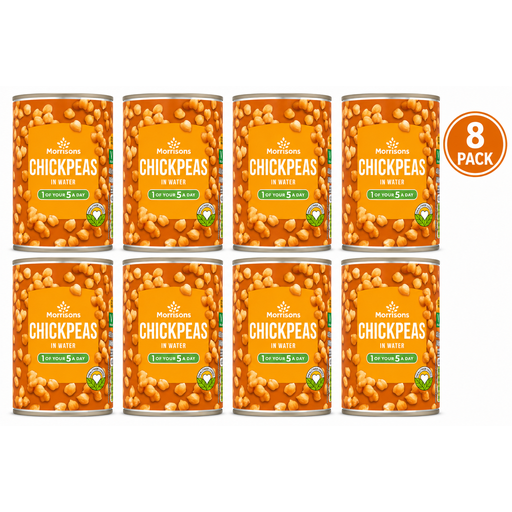
Why This Fits Their Persona: For those juggling work and home life, getting a nutritious meal on the table quickly is a priority. These canned chickpeas require no soaking or pre-cooking. You can add them straight into a curry, blend them into hummus, or toss them into a salad for an instant protein boost.
It sidesteps the convenience-cost trap by offering a simple, wholesome product. Packed in just water with an antioxidant, it avoids unnecessary additives and has only a trace amount of salt, giving you convenience without compromise.
Ready to use straight from the can, saving significant preparation time. A half-can serving also counts as one of your 5-a-day.
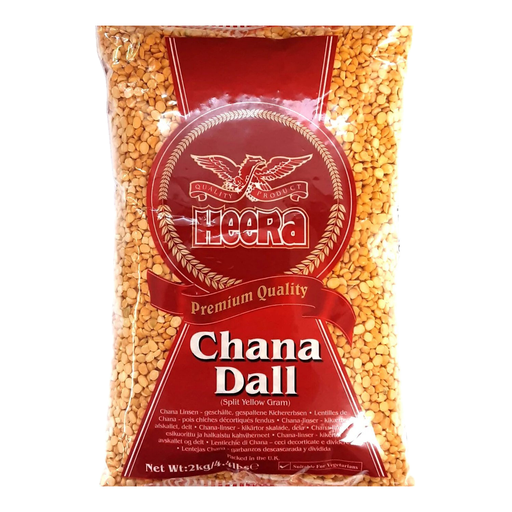
Why This Fits Their Persona: For the home cook dedicated to recreating authentic South Asian flavours, having the right ingredients is non-negotiable. Chana dal is a cornerstone of Indian cooking, and this 2kg bag provides a high-quality, consistent product for countless dals, curries and snacks.
This product directly counters the "one-size-fits-all" myth. It is a specific type of split chickpea essential for certain recipes, ensuring an authentic outcome that generic lentils or whole chickpeas cannot replicate.
Offers a mild, nutty flavour and a firm texture that holds its shape well. The large 2kg pack size provides excellent value for regular use.
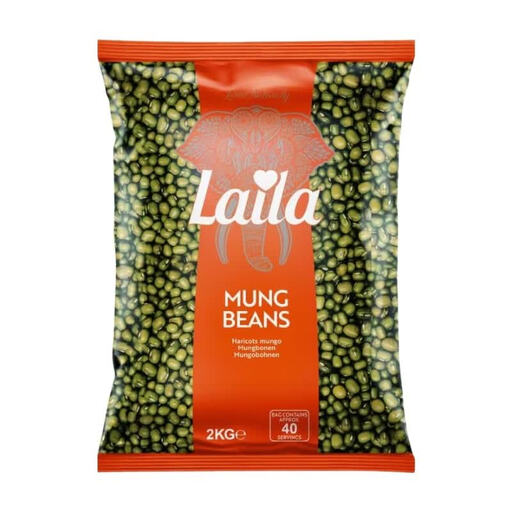
Why This Fits Their Persona: Anyone looking to stock their pantry with versatile, long-lasting and economical ingredients will appreciate this product. Moong beans are a nutritious staple that can be used in a huge range of dishes, from savoury curries and soups to traditional Asian desserts.
This 2kg bag is a perfect example of how to avoid the deceptive packaging trap. Buying in bulk like this dramatically lowers the cost per 100g compared to smaller packets, offering far better long-term value for a core pantry item.
Highly economical and versatile for both savoury and sweet dishes. It is also a rich source of plant-based protein (24g per 100g) and fibre.
We have compiled a complete, real-time list of products that fully satisfy these strict selection criteria and UK safety regulations.
1. Do I always need to soak dried beans before cooking? For most larger dried beans like chickpeas, black beans and kidney beans, soaking is highly recommended. Soaking them in water for 8-12 hours (or overnight) significantly reduces cooking time and can make them easier to digest. However, smaller pulses like all types of lentils and split peas do not require soaking and can be cooked directly after rinsing.
2. How should I store bulk pulses and grains to keep them fresh? The key to longevity is protecting them from air, moisture and pests. Once opened, transfer your bulk pulses and grains from their original packaging into airtight containers. Store these containers in a cool, dark and dry place, such as a kitchen pantry or cupboard away from the oven. Stored correctly, most dried goods will maintain their quality for at least a year.
3. Are canned beans as nutritious as dried beans? Nutritionally, they are very similar. Both are excellent sources of fibre and protein. The primary difference is that canned beans often have salt added during the canning process for preservation and flavour. If you are monitoring your sodium intake, you can either look for "no salt added" versions or simply rinse the beans thoroughly under cold water before use, which can wash away a significant portion of the added salt.