Small-batch seed choppers
You mainly want chopped pumpkin seeds for toppings, baking or sauces, but have limited cupboard or worktop space. Short, controllable processing runs matter more to you than a collection of attachments.


For small portions of chopped pumpkin seeds, start with a mini chopper with pulse control; choose a larger food processor if other preparation jobs will make regular use of its bowl and attachments. In a shared kitchen, favour parts you can remove and clean thoroughly, and check the exact model’s instructions for dry ingredients and your intended batch size before buying.
You mainly want chopped pumpkin seeds for toppings, baking or sauces, but have limited cupboard or worktop space. Short, controllable processing runs matter more to you than a collection of attachments.
You also want to chop, slice, grate or blend regularly. Bowl size, attachment storage and the number of parts everyone must wash affect whether a larger machine earns its space.
Other users may prepare foods containing allergens, or food for someone with an allergy. You need parts that can be dismantled and a clear routine for cleaning food-contact surfaces between uses.
Match the appliance to your usual seed portion before deciding whether its extra functions justify the space and clean-down in a shared kitchen.
Choose it when: Small seed portions are the recurring job and storage space is tight.
Trade-off: Its small bowl is less useful for larger batches or jobs such as slicing and grating.
Choose it when: Seed chopping sits alongside regular chopping, grating or mixing.
Trade-off: The bowl and accessories take more space and washing than a mini chopper; a larger bowl does not establish that a very small seed load will process well.
Choose it when: Shared users will regularly use both the processor and blender functions.
Trade-off: Separate vessels and attachments add storage and clean-down work for a seed-only task.
| Concern | What to check | Who this matters to |
|---|---|---|
| Seed texture | Look for pulse or moment control and check the manual’s dry-ingredient and batch-size guidance. | If I want coarse pieces for a topping, I need to stop and inspect the seeds between short bursts rather than leave the machine running. Around 40% of consumers put texture control first. |
| Shared-kitchen cleaning | Check how the bowl, lid and blade come apart, and which exact parts may go in a dishwasher. | When someone else will use the machine after me, I need a clean-down routine that reaches food-contact surfaces, particularly if allergens are a concern. Cleaning is the primary concern for around 40% of consumers. |
| Capacity and other uses | Compare usable bowl capacity, storage space and the attachments you will actually use. | If seed chopping is only part of regular meal preparation, I want enough capacity and useful tools without filling a shared cupboard with unused parts. Around 20% of consumers prioritise broader preparation. |
Motor wattage does not establish how a small dry batch will move around the bowl or whether you can stop at the texture you want.
Check for pulse or moment control, an appropriate chopping blade and the exact manual’s dry-ingredient guidance. Treat wattage as a specification, not a seed-chopping result.
A larger bowl and more accessories take up shared storage space and leave more parts to clean after each use.
Start with your usual portion. Consider a larger processor when its other functions will be used regularly, and check its guidance for small loads.
A dishwasher-safe label does not establish that residue has been removed from every blade hub, lid or other food-contact surface. Cross-contact matters when the appliance is shared with someone who has an allergy.
Dismantle and clean parts as the manufacturer directs, then dry and store them appropriately. If the kitchen prepares food for a business, follow the applicable Food Standards Agency allergen guidance.
A manufacturer’s description of chopping nuts does not establish the result for pumpkin seeds at your intended quantity.
Read the exact model manual for permitted dry ingredients, processing limits and any stated minimum load before choosing.
Kenwood’s range includes compact choppers and larger MultiPro processors, giving shared-kitchen users different formats to consider.
Magimix offers both a small Mini Chopper and larger multifunction processors.
Bosch’s compact MultiTalent processors are relevant when several preparation functions must fit into a shared kitchen.
Ninja’s BN800UK combines a processor bowl with blending vessels for kitchens that will use both kinds of preparation.
These options span a small chopper, food processors and processor-blender combinations. Choose the format around your usual portion and other regular jobs, then check the exact model’s instructions for dry seeds and small loads.
 No image available
Consider this small chopper when cupboard space and short preparation jobs matter most; check the instructions for your intended pumpkin-seed portion.
 No image available
Consider this processor-blender combination if shared users will regularly use its other preparation functions, not just chop a small seed portion.
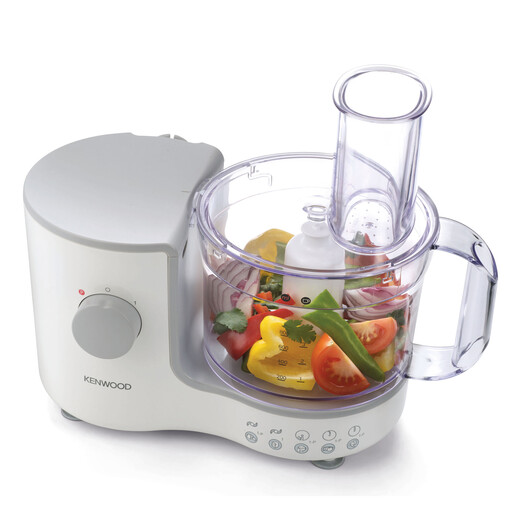 No image available
Consider this compact processor if chopping is one of several regular kitchen jobs. Check its manual for dry-seed use and the portion you normally prepare.
 No image available
This combination is worth considering when the shared kitchen needs both a processor and a blender. Check dry-seed instructions and how its parts should be cleaned.
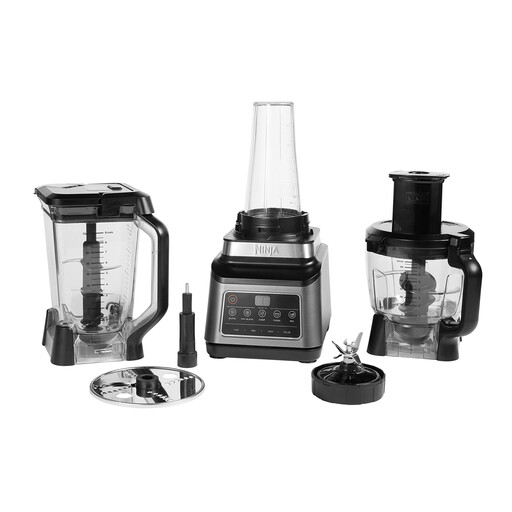 No image available
Consider this multi-vessel option when blending and other preparation jobs will be regular shared uses. Check the BN800UK manual specifically for chopping pumpkin seeds in its processor bowl: a seed claim for the cup blade does not answer that question.
Possibly, but check the exact model’s instructions for dry ingredients and your intended batch size before using it for pumpkin seeds. Pulse or moment control lets you stop and inspect the texture; Magimix describes its Mini Chopper for nuts, herbs and spices, but that does not establish the result for every seed portion or processor.
A mini chopper is the more focused choice when portions are small and storage is scarce. Choose a larger processor when chopping seeds is one of several regular jobs, and weigh its usable bowl capacity and attachments against the space and washing they require.
Agree a routine for dismantling and cleaning the bowl, lid, blade and accessories before another user prepares food. If food is prepared for a business, follow the applicable Food Standards Agency guidance on managing allergens and preventing cross-contact; household users should also account for the particular foods and allergies involved.
No. Check which parts of the exact model are dishwasher-safe, then follow its cleaning instructions and inspect areas such as blade hubs, lids and seals. The label alone does not establish that all food residue has been removed.