Planning to create an authentic Pad Thai, a comforting bowl of pho or a vibrant noodle salad, but find yourself puzzled by the variety of rice noodles available? You are not alone. Choosing the right noodle is the foundation of a great Asian dish, as its texture and shape can dramatically change the final result.
This guide is designed to help you navigate the options. As your Joybuy Product Recommendation Officer, I’ve put together some practical advice and highlighted a few standout choices to help you select the perfect rice noodles for your next culinary creation, directly from your pantry.
How to Choose the Right Rice Noodles for Your Dish
Before you add a pack to your basket, consider these key points. Getting the basics right ensures your stir-fries are springy, not sticky and your soups have the perfect slurp-able quality.
1. Match the Noodle Width to the Dish
The most significant difference between types of rice noodles is their width. Each size is suited to a different style of cooking.
- Fine Noodles (Vermicelli): These are the thinnest type, often sold as rice vermicelli. Their delicate texture makes them ideal for fresh Vietnamese summer rolls, light noodle salads and for adding to clear broths and soups where they cook almost instantly.
- Medium Noodles (Sticks): Typically between 3mm and 5mm wide, these flat rice stick noodles are the versatile workhorse of the noodle world. They are the classic choice for noodles for pad thai and other stir fry noodles because they are sturdy enough to withstand tossing in a wok while absorbing sauces beautifully.
- Wide Noodles (XL Sticks): Ranging from 10mm or wider, these provide a much chewier, more substantial bite. They are perfect for dishes with rich, thick sauces that cling to the broad surface, such as Pad See Ew or Drunken Noodles.
2. Check the Ingredients for Dietary Needs
One of the great advantages of rice noodles is that they are naturally gluten-free noodles, typically made from just rice flour and water. This makes them an excellent choice for those with coeliac disease or gluten sensitivities. For a nutritional boost, look for options made from brown rice flour, which offer additional fibre and a slightly nuttier flavour. Always check the packaging for allergen warnings regarding cross-contamination if you have a severe allergy.
Top Rice Noodle Recommendations
Here are four excellent options available in the UK, each suited for different dishes and preferences.
Thai Taste Rice Vermicelli Noodle Nests
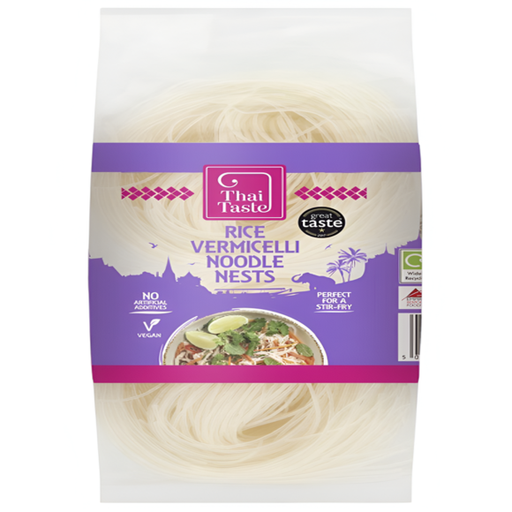
- Why It Stands Out: These fine noodles come in convenient "nests," which makes portion control simple. Their light, delicate texture is perfect for dishes where the noodle should complement, not dominate, the other ingredients.
- Pros:
- Naturally gluten-free and suitable for vegans.
- Quick and easy to prepare by soaking in hot water for 8-10 minutes.
- Versatile enough for both hot soups and cold salads.
- Who is it for: Home cooks looking for a delicate noodle for fresh salads, summer rolls or to add to light, brothy soups.
Farmer Brand Rice Stick Noodle 3mm
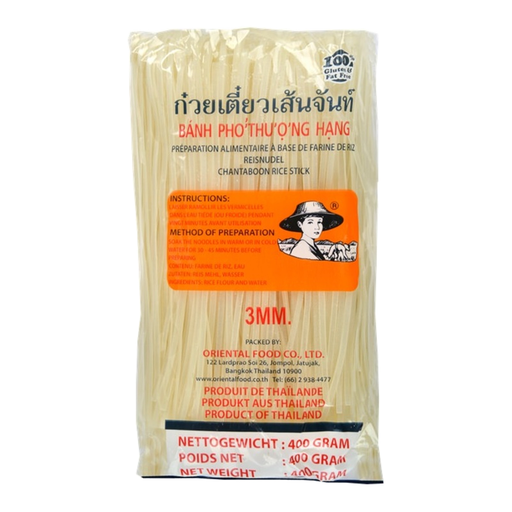
- Why It Stands Out: This is the quintessential Thai rice noodle. At 3mm wide, it has the ideal size and texture for soaking up the sweet and savoury sauce of a classic Pad Thai or holding its own in a hearty bowl of pho.
- Pros:
- Authentic Thai product, perfect for traditional recipes.
- Excellent at absorbing flavours in stir-fries and soups.
- Gluten-free, non-GMO and vegan-friendly.
- Who is it for: Anyone wanting a reliable, all-purpose pantry staple for making authentic Asian noodles dishes, especially Pad Thai and pho.
Thai Crown Noodle Rice Stick 10mm (XL)
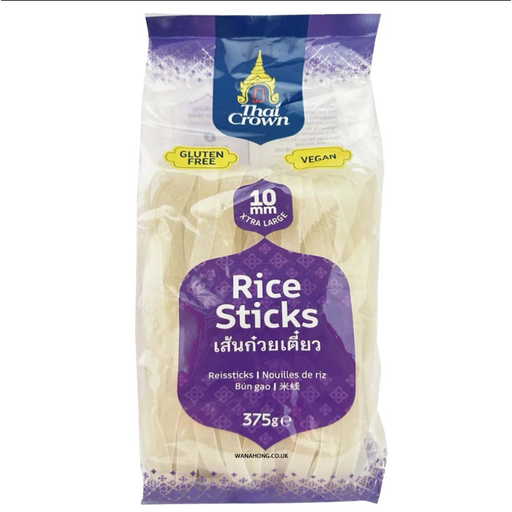
- Why It Stands Out: The extra-wide 10mm profile of these noodles delivers a wonderfully chewy and satisfying texture. They are specifically designed for hearty dishes where a standard noodle might get lost.
- Pros:
- The substantial width is ideal for rich sauces found in dishes like Pad See Ew.
- Maintains a firm, smooth texture after cooking.
- Made simply from rice flour and water.
- Who is it for: Cooks aiming to recreate specific, restaurant-quality Thai street food dishes that call for a wider, more robust noodle.
THAI TASTE Folded Brown Rice Noodles
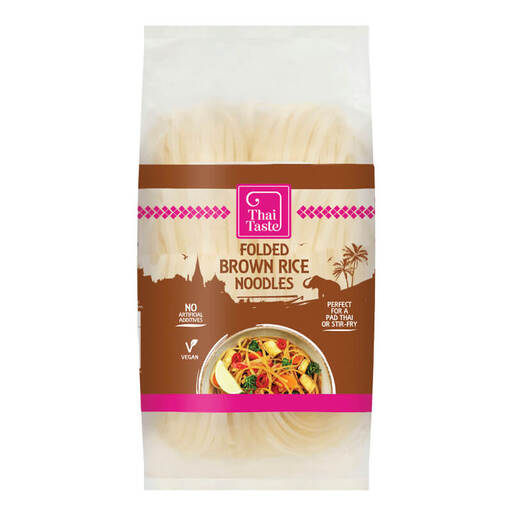
- Why It Stands Out: Made from wholegrain brown rice flour, these noodles offer a more nutritious alternative with higher fibre content and a subtle, nutty flavour that adds complexity to any dish.
- Pros:
- A wholesome choice, rich in fibre.
- Maintains a delicate yet firm texture, perfect for stir-frying.
- Naturally gluten-free and suitable for vegans.
- Who is it for: Health-conscious home cooks who want to add extra nutrition to their meals without compromising on the authentic texture needed for dishes like Pad Thai.
Looking for More Options?
Our selection covers some of the most popular and versatile choices, but the world of Asian noodles is vast. If you have specific dietary needs or are searching for a different style, there are many more to discover.
Explore our full range of Gluten free noodles to find the perfect match for your pantry.
Frequently Asked Questions
What is the difference between rice vermicelli and rice stick noodles?
The main difference is their shape and thickness. Rice vermicelli consists of very thin, round strands, similar to angel hair pasta. They are best for salads and light soups. Rice stick noodles are flat and wider, ranging from narrow to extra-large and are the go-to for stir-fries like Pad Thai.
Are all rice noodles gluten-free?
In principle, yes. True rice noodles are made from only rice flour and water, making them naturally gluten-free. However, it is always wise to check the ingredients list and any allergen statements on the packaging, as some facilities may handle other products containing gluten.
How do I stop my rice noodles from becoming sticky and clumpy?
The key is to rinse them after cooking. Once the noodles are soaked or boiled to your desired softness, drain them immediately and rinse thoroughly under cold running water. This washes away excess starch and stops the cooking process, keeping the strands separate and perfectly textured for your dish.


