
24/7 Customer Support

Free returns

Same-day & Next-day Delivery

Quality Guaranteed

Unlock Your Welcome Offers: FREE Delivery | Up to 80% OFF | Free 30-day JoyPlus trial
Download the APP
From the satisfying chew of a perfect noodle to the convenience of a quick, wholesome meal, rice products are a cornerstone of pantries across the United Kingdom. Yet, navigating the aisles can be tricky. With so many options, it's easy to end up with disappointing purchases that don't live up to their promise. As your Joybuy Product Recommendation Officer, my role is to help you sidestep the common pitfalls and choose items that deliver on quality and value.
Many of us have been there: you buy a packet of "authentic" rice noodles for a Pad Thai, only for them to turn into a sticky, mushy clump in the wok. Or you pick up a bag of rice crackers, thinking it's a healthier snack, but a quick glance at the label reveals high levels of sodium and sugar. Another frequent issue is with microwavable rice; the convenience is appealing, but it often comes at the cost of a gummy texture or a lingering, artificial aftertaste. These are the exact issues we can learn to avoid by looking at a few key details.
To ensure you're getting what you pay for, it pays to look past the front-of-pack marketing and focus on a few core parameters. This is particularly true for Asian pantry staples, where small differences in ingredients can have a big impact on your final dish.
The texture of rice noodles is everything, and it's determined by the ingredients.
When choosing rice crackers or puffed rice snacks, what isn't in them is just as important as what is.
For microwavable rice and instant rice pots, the technology used to preserve freshness is key to avoiding a disappointing meal.
Based on these practical criteria, here are a few products suited to different needs and lifestyles.
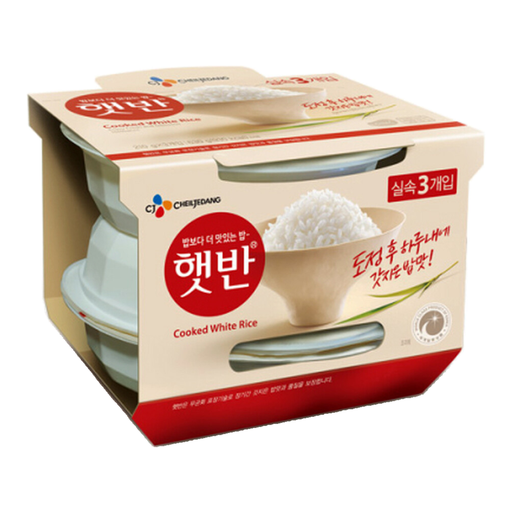
Why This Fits Their Persona: For those with a demanding schedule, getting a quality meal on the table quickly is essential. This microwavable Korean rice is ready in 90 seconds and comes in convenient single-serving pots, perfect for a quick lunch at the office or a simple dinner base.
It sidesteps the "gummy convenience rice" pitfall. The use of pressure cooking and oxygen-free packaging ensures a fluffy, sticky texture and fresh taste without preservatives.
Features a very simple ingredient list (water, rice and rice bran extract). Delivers consistent quality and authentic sticky rice texture.
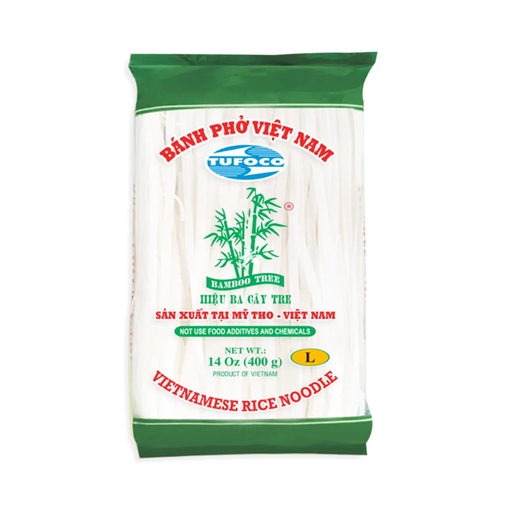
Why This Fits Their Persona: For those exploring Asian cuisine, having reliable, versatile ingredients is key. These 5mm rice noodles are a fantastic all-rounder, perfect for trying out everything from a classic Pad See Ew to a hearty noodle soup.
This product avoids the "mushy noodle" problem. Made primarily from rice flour, it's engineered to offer a pleasantly chewy bite and absorb sauces beautifully without disintegrating in the pan.
Naturally gluten-free and quick to prepare. The 5mm width provides a satisfying texture that holds up well in both soups and stir-fries.
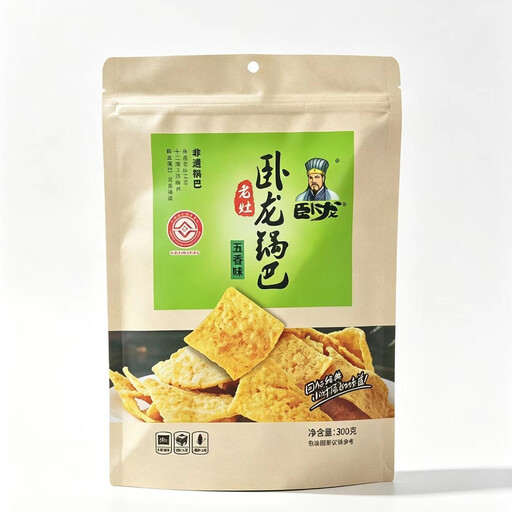
Why This Fits Their Persona: This is for the person seeking a savoury, crunchy snack without the guilt. It's a great alternative to traditional crisps for an afternoon bite or for serving with dips when guests are over.
It avoids the "unhealthy health snack" trap. The crackers are made via a non-fried puffed process, contain no added sugar and have a moderate salt content, making them a genuinely lighter option.
Made with over 65% millet, giving it a richer cereal flavour and crispy texture that's more satisfying than plain rice crackers.
We have compiled a complete, real-time list of products that fully satisfy these strict selection criteria and UK safety regulations.
1. How do I stop my rice noodles from sticking together? The most effective method is to rinse the noodles under cold running water immediately after you've finished boiling or soaking them. This removes the excess surface starch that causes them to clump. If you aren't using them right away, tossing them with a small amount of neutral oil (like sunflower or vegetable oil) will also help keep the strands separate.
2. Are all rice crackers a healthy alternative to potato crisps? Not necessarily. While many are, it is important to read the nutritional information. The key is to look for crackers that are baked or puffed rather than fried and to check the sodium and sugar content. Some heavily flavoured varieties can have just as much salt as standard potato crisps, so a quick label check is always a good habit.
3. What is the difference between rice noodles and rice vermicelli? The main difference is their shape and typical use. Rice noodles, often called rice sticks, are flat and come in various widths (e.g., 3mm, 5mm, 10mm). Their flat, broad surface is excellent for soaking up sauces in stir-fries like Pad Thai. Rice vermicelli refers to very thin, round noodle strands. They are much more delicate and are commonly used in fresh spring rolls, light salads and soups.