Navigating the world of East Asian condiments can be a delightful journey, but the sheer variety of rice vinegar on the shelf can sometimes feel overwhelming. Are you looking for something to perfect your sushi rice, create a tangy dipping sauce or add a subtle lift to a marinade? The right choice can make all the difference.
As the Joybuy Product Recommendation Officer, my role is to help you find the right products for your kitchen. This guide will walk you through the key differences between types of rice vinegar and highlight some excellent options to help you cook with confidence.
A Quick Guide to Selecting Rice Vinegar
Before we look at specific products, here are a few practical points to consider. Understanding these will help you choose the most suitable bottle for your culinary needs.
1. Plain vs. Seasoned Rice Vinegar
One of the most important distinctions is between plain and seasoned varieties.
- Plain Rice Vinegar: This is the foundational product, made simply from fermented rice. It has a clean, mild and delicate acidity. It's a versatile ingredient, perfect for when you want to control the amount of sugar and salt in a recipe, such as in homemade dressings or marinades.
- Seasoned Rice Vinegar: This is a convenient, all-in-one solution. It's plain rice vinegar with added sugar and salt. It is often marketed as sushi vinegar because it's specifically balanced to be stirred directly into freshly cooked rice, creating the perfect base for sushi. It's also great as a quick dressing for salads or a base for dipping sauces.
2. Regional Styles: Japanese vs. Chinese
While both are made from rice, there are subtle but important differences in regional flavour profiles.
- Japanese Rice Vinegar: Generally, Japanese varieties are known for being very mild, mellow and almost sweet. This delicate character is designed to enhance, not overpower, the other ingredients in a dish, making it a staple for sushi and light salads.
- Chinese Rice Vinegar: Chinese rice vinegars can vary more widely. White rice vinegar from China is typically stronger and more acidic than its Japanese counterpart. There are also black and red rice vinegars, which offer much more complex, malty and sometimes smoky flavours, but for general use, a Chinese rice vinegar (white) is a versatile pantry staple for stir-fries and pickles.
Top Rice Vinegar Recommendations
Here are four noteworthy rice vinegars, each suited to different cooking styles and preferences.
MIZKAN Rice Vinegar 275ml
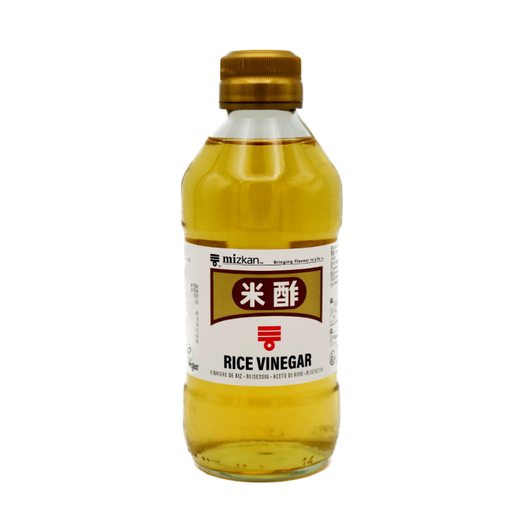
- Why It Stands Out: This is a classic, unseasoned Japanese rice vinegar from a well-regarded brand. Its clean, delicate flavour and mild acidity (5%) make it an incredibly versatile ingredient for the home cook. It provides a blank canvas, allowing you to create your own vinegar for sushi rice by adding sugar and salt, or to use it in a wide array of other dishes without introducing unwanted sweetness.
- Pros:
- Multi-purpose and highly versatile.
- Mild, clean taste that doesn't overpower food.
- Ideal for making your own sushi vinegar seasoning.
- Who is it for: Home cooks who appreciate having control over their seasonings and want a high-quality, all-purpose Japanese vinegar for everything from pickling to dressings.
Chu Bang White Rice Vinegar 420ml
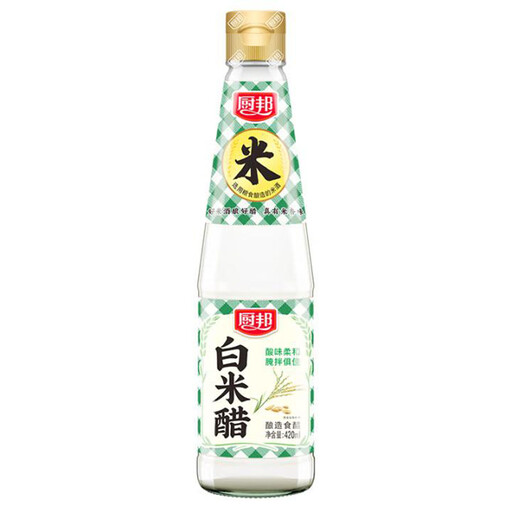
- Why It Stands Out: This Chinese rice vinegar offers a clear and mild sourness that is characteristic of many mainland Chinese culinary applications. It's a straightforward, no-frills vinegar that is excellent for pickling vegetables, seasoning soups, or adding a sharp, clean tang to dipping sauces. The 420ml bottle size also offers good value for a pantry staple.
- Pros:
- Clear, mild flavour suitable for a range of Chinese dishes.
- Larger bottle size makes it a practical choice for regular use.
- Great for pickling, marinades and general seasoning.
- Who is it for: Cooks looking for a reliable and affordable white rice vinegar for everyday Chinese cooking.
Lee Kum Kee Seasoned Rice Vinegar 207ml
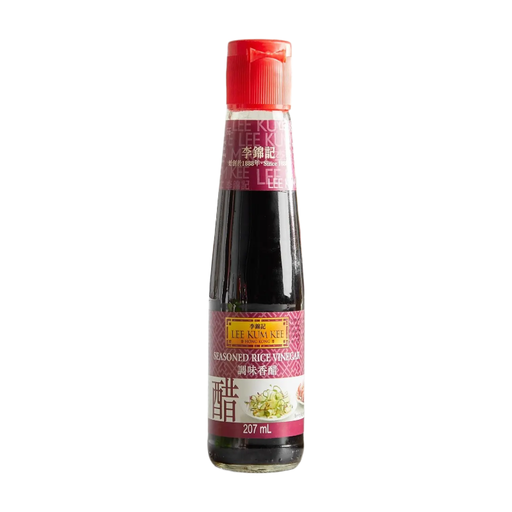
- Why It Stands Out: From the globally recognised brand Lee Kum Kee, this seasoned rice vinegar is designed for convenience and flavour. It comes pre-mixed with sugar, salt and spices, creating a balanced sweet-and-sour profile that is ready to use straight from the bottle. Its aromatic quality makes it an excellent dipping sauce for dumplings or a flavourful dressing for cold noodle salads.
- Pros:
- Ready-to-use, saving time and effort.
- Well-balanced sweet and sour flavour.
- Infused with spices for extra aroma.
- Who is it for: Anyone seeking a convenient, flavour-packed vinegar for dipping sauces, noodles and cold appetisers without the need for extra mixing.
Kumamon Sushi Vinegar 360ml/bottle
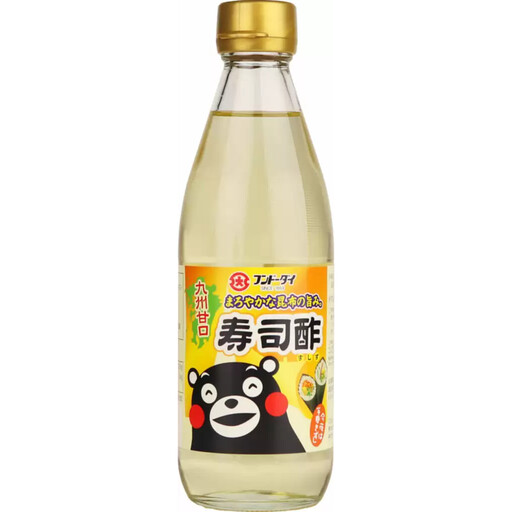
- Why It Stands Out: This product is the definition of convenience for sushi lovers. As a dedicated sushi vinegar, it has been perfectly blended with sugar and salt to create the ideal seasoning for sushi rice. It takes all the guesswork out of achieving that authentic, slightly sweet and tangy flavour. Simply mix it into hot, cooked rice for consistently delicious results every time.
- Pros:
- Specifically formulated for making perfect sushi rice.
- Eliminates the need to measure and mix sugar and salt.
- Authentic, well-balanced Japanese flavour.
- Who is it for: Aspiring sushi chefs and home cooks who want a foolproof way to prepare delicious sushi rice quickly and easily.
Looking for More Options?
If you haven't found the exact match for your recipe, don't worry. There is a wide world of vinegars to discover, each with its own unique character. Explore our full range of rice and white vinegars to find the perfect addition to your pantry.
Frequently Asked Questions
1. Is rice vinegar the same as rice wine vinegar? Yes, the terms rice vinegar and rice wine vinegar are often used interchangeably to refer to the same product. The vinegar is made by fermenting the sugars in rice first into alcohol (rice wine) and then into acid. So, while it comes from rice wine, it is a vinegar, not a wine.
2. Can I use plain rice vinegar for sushi? Absolutely. To create your own vinegar for sushi rice, gently heat plain rice vinegar with sugar and salt until they dissolve. A common ratio is 4 tablespoons of rice vinegar to 2 tablespoons of sugar and 1 teaspoon of salt, but you can adjust this to your taste. For convenience, however, a pre-mixed sushi vinegar is an excellent time-saver.
3. How should I store rice vinegar? Rice vinegar is quite stable. It should be stored in a cool, dry place away from direct sunlight, such as a kitchen cupboard. Keep the cap tightly sealed after opening to maintain its quality and flavour. Refrigeration is not necessary.


