
24/7 Customer Support

Free returns

Same-day & Next-day Delivery

Quality Guaranteed

Unlock Your Welcome Offers: FREE Delivery | Up to 80% OFF | Free 30-day JoyPlus trial
Download the APP
Watching a toddler take their first wobbly steps is a milestone, and soon after, they are ready for their first set of wheels. Choosing the right ride on toys for toddlers can feel like a significant decision. You want something safe, engaging and beneficial for their development, but the market is filled with countless options. This guide is designed to help you understand the key features to look for and to present some carefully considered options for your little one's first adventure on wheels.
Before diving into specific models, it's helpful to know what to look for. Focusing on a few key areas can simplify your choice and ensure you find a toy that is both fun and appropriate for your child.
For any toy intended for a 1-year-old, safety is the primary concern. Look for ride on toys that comply with UK safety standards, such as EN71-1-2-3. Key design features to consider include a low centre of gravity to prevent tipping and fully enclosed wheels to protect little feet from getting caught. Some models also feature limited steering, which prevents sharp turns that could lead to a fall. A stable, sturdy construction is non-negotiable.
Different ride on toys support different skills. A baby balance bike is excellent for developing coordination and balance, setting a strong foundation for future cycling. A classic foot to floor car or push along car encourages toddlers to use their legs to propel themselves, building strength and confidence. For younger toddlers or for use on family walks, a push car with a parent handle offers a great combination of fun for the child and control for the caregiver.
Consider where the toy will be used most. If you're looking for indoor ride on toys, models with quiet, non-marking wheels are ideal. Many modern ride-ons use EVA wheels, which are robust enough for outdoor paths but gentle on indoor flooring. Toys that can adapt as your child grows, such as those with removable handles or guardrails, offer better long-term value and can be a thoughtful first birthday gift.
Here are a few recommendations that cater to different needs and developmental stages, helping you find a suitable match for your toddler.
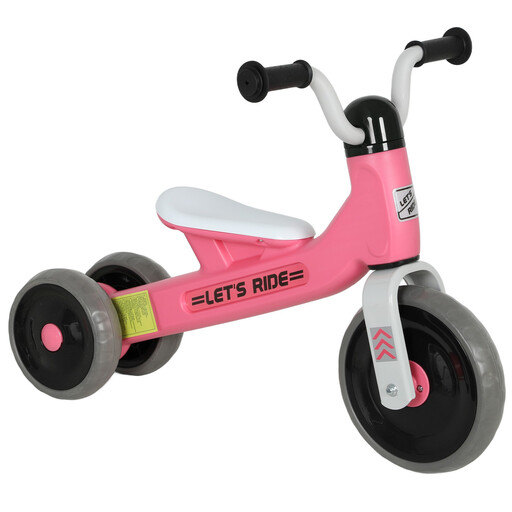
Why It Stands Out: This balance bike is specifically designed to help toddlers master the art of balance before they even think about pedals. Its standout safety features, including 30-degree limited steering to prevent sharp, sudden turns and fully enclosed wheels, provide peace of mind. The silent, shock-absorbing EVA wheels make it suitable for quiet indoor practice and smooth outdoor rides.
Pros:
Who is it for? This is an excellent choice for parents who want to give their child a head start on two-wheeled confidence. It's ideal for active toddlers from 12 to 36 months who are ready to move beyond walkers and focus on developing their core balance and steering skills.
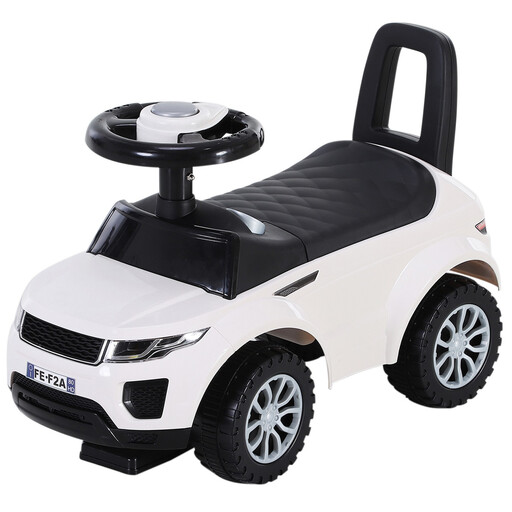
Why It Stands Out: This HOMCOM model is a modern take on the classic foot to floor car. Its appeal lies in its simplicity and focus on fun. Toddlers can use their feet to push themselves along, which is a fantastic way to build leg strength. It includes engaging features like a horn and a moving steering wheel, plus a clever under-seat storage compartment for carrying important treasures. The anti-overturning brake adds a crucial layer of safety.
Pros:
Who is it for? This ride-on is perfect for children aged 1 to 3 years who enjoy straightforward, imaginative play. It's a durable and engaging option for families looking for a reliable toy that helps develop physical strength through a classic push-along motion.
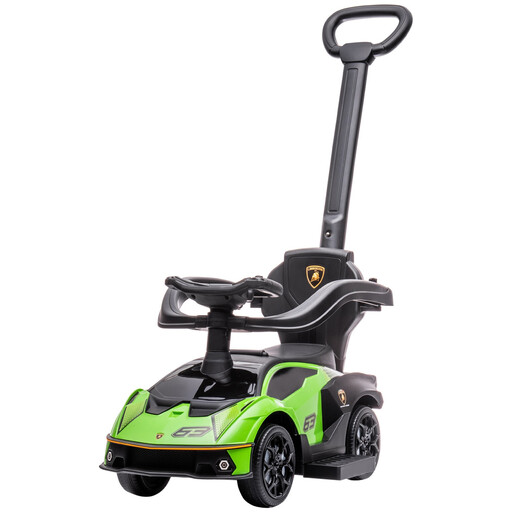
Why It Stands Out: Offering excellent versatility, this officially licensed ride-on functions as both a stroller-style push car with a parent handle and an independent ride-on toy. The detachable guardrails and push handle allow it to adapt as your child grows in confidence. For younger toddlers, parents can steer while the child rests their feet on the footrest. As they get older, the handle and rails can be removed for classic foot-to-floor fun.
Pros:
Who is it for? This is a great solution for families seeking a multi-functional toy. It's particularly well-suited as a ride on car for a 1 year old due to its supportive stroller mode, and it remains relevant as they become an independent toddler, offering great long-term play value.
The experience of "driving" is often what captivates a toddler's imagination. If your little one is fascinated by buttons, sounds and steering, you might want to enhance their playtime. For more accessories that spark imaginative journeys, explore our collection of toy steering wheel options.
Most ride on toys are designed for children between 12 and 36 months. The most appropriate time to introduce one is when a child can sit confidently and has started to show an interest in moving around independently. Always check the manufacturer's recommended age for a specific model, as a toddler trike may have different requirements than a balance bike.
Neither is inherently "better"; they simply serve different developmental purposes. A four-wheeled push along car provides high stability and is great for building leg strength. A baby balance bike is designed to specifically teach balance and steering, which can make the transition to a pedal bike much smoother later on. The choice depends on whether your priority is stability and strength-building or balance and coordination.
Yes, many ride on toys are designed for both indoor and outdoor use. For indoor play, look for models with wheels made from materials like EVA or non-marking plastic. These materials are typically quieter and less likely to scuff or damage floors, making them ideal for rainy-day adventures inside.