
24/7 全天候客户支持

免费退货

当日/次日达

品质保障

开启新人专享福利: 全场免邮 | 低至 2 折 | 免费试用 30 天 JoyPlus 会员
下载 Joybuy
For the UK runner whose route is a mix of city pavements, park paths and woodland trails, finding the right footwear can be a challenge. You need a shoe that can handle the relentless impact of tarmac and also provide confident grip on unpredictable natural surfaces. This guide is designed to help you navigate the market for road to trail running shoes and identify the key features that truly matter, helping you avoid common and costly purchasing mistakes.
As a Joybuy Product Recommendation Officer, my role is to cut through the clutter and provide practical shopping advice. Let's look at the pitfalls to avoid before we break down what makes a great all-rounder.
Many runners end up with shoes that are a master of none, failing on both road and trail. Here are the most common traps to watch out for:
To ensure your new shoes are genuinely versatile, focus your attention on these three non-negotiable components.
The outsole is where performance is won or lost. Don't just look at the lug depth; consider the material and design.
The midsole dictates how the shoe feels underfoot, especially over long distances. It needs to perform two jobs: absorb impact and return energy.
The upper wraps your foot, providing security and comfort. For a hybrid shoe, it must be both tough and breathable.
We've matched some options to different types of runners based on the practical criteria outlined above.
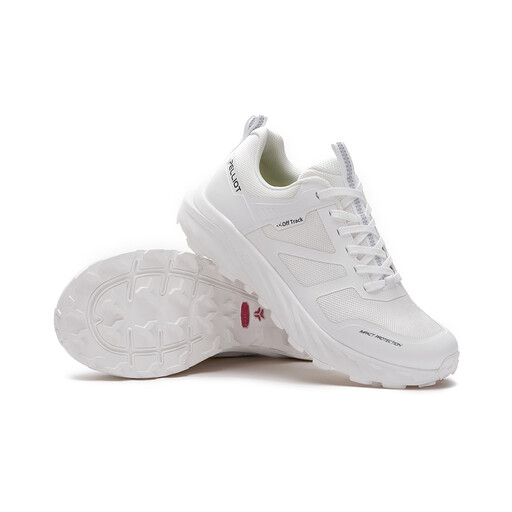
Why This Fits Their Persona: Ideal for those new to mixed-terrain running who need a reliable, do-it-all shoe. It provides the core features of a high-performance model without demanding a specialist's knowledge to appreciate its benefits on a weekend run through a local park and the surrounding streets.
It avoids the "overbuilt" trap by using a lightweight mesh upper and a flexible EVA midsole, ensuring it doesn't feel clunky or heavy on road sections.
The high-elastic EVA foam midsole delivers excellent shock absorption, protecting knees and ankles on varied surfaces from pavement to packed dirt.
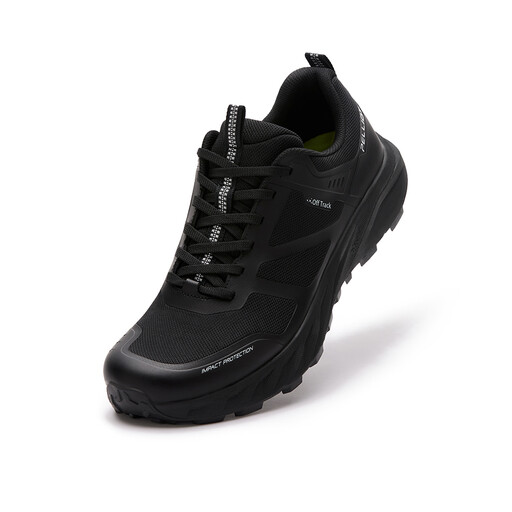
Why This Fits Their Persona: This runner switches between canal towpaths, city streets and forest trails in a single session. They need a shoe that provides reliable grip on unpredictable surfaces without compromising on comfort for the miles spent on pavement getting to the trail.
It directly counters the "grip-on-paper" trap with its ROCKYTEC outsole, which is engineered to provide strong, reliable traction on wet rocks and muddy slopes.
The abrasion-resistant upper with TPU film reinforcements withstands scratches from branches and rocks, while the sandwich mesh ensures excellent breathability.
Why This Fits Their Persona: This user logs serious mileage and needs a shoe that offers lasting comfort and joint protection. Their runs often exceed 10k and cover a wide range of surfaces, so durability and consistent performance are paramount.
It solves the breathability vs. durability dilemma. The woven upper is tough enough for trail hazards, but the unlined, sandwich mesh construction allows for rapid heat and moisture release on long runs.
Its superior shock absorption from the high-elastic EVA foam midsole is a key benefit, reducing fatigue and protecting joints during high-mileage weeks.
We have compiled a complete, real-time list of products that fully satisfy these strict selection criteria and UK safety regulations.
While you can for very light, dry and flat trails (like a well-maintained park path), it's generally not advisable. Road shoes lack the necessary outsole grip for mud, wet rocks or loose dirt, increasing your risk of slips and falls. They also don't have the upper durability or toe protection needed for more technical terrain.
The lifespan of any running shoe depends on mileage, terrain, runner's weight and gait. As a general guideline, a quality pair of hybrid shoes should last between 300 to 500 miles. You should monitor the outsole for worn-down lugs and the midsole for a "flat" or unresponsive feeling, as these are signs it's time for a replacement.
This is a matter of personal preference. Waterproof shoes (often using a membrane like Gore-Tex) are excellent for keeping your feet dry in wet grass or shallow puddles. However, the downside is that they are less breathable, which can lead to sweaty feet. Also, once water gets in over the top, it has no way to get out. Many runners prefer non-waterproof, breathable trail shoes that drain and dry quickly.