
24/7 Customer Support

Free returns

Same-day & Next-day Delivery

Quality Guaranteed

Unlock Your Welcome Offers: FREE Delivery | Up to 80% OFF | Free 30-day JoyPlus trial
Download the APP
A good rolling pin is the unsung hero of the kitchen. Whether you're aiming for a flaky pie crust, a perfectly thin pizza base or smooth fondant for a celebration cake, the right tool can make all the difference. But with so many options available—from classic wood to hefty marble—choosing the right one can feel overwhelming. An unsuitable dough roller can lead to sticky, uneven results, turning a joyful baking session into a frustrating one.
This guide is designed to help you navigate the choices. We'll break down the key features to consider and share some of our top recommendations to help you find a rolling pin that suits your baking style and needs.
Before you decide, consider these practical points. The material and design of a rolling pin directly impact its performance with different types of dough.
The material of your rolling pin is arguably the most important factor.
wooden rolling pin is a versatile, all-purpose tool suitable for most everyday baking tasks, from biscuits to bread.marble rolling pin does much of the work for you, allowing you to roll out stiff doughs with less effort. Its cool temperature is particularly beneficial for temperature-sensitive doughs like puff pastry and shortcrust, as it helps keep the butter from melting.stainless steel rolling pin is easy to clean and won't absorb odours or flavours. Many can be chilled in the freezer before use, offering a similar benefit to marble for keeping dough cool. They are excellent for precise tasks, including working with fondant.Beyond the material, think about the design that best fits your technique.
pastry mat, often made from silicone, is a game-changing baking accessory. It provides a clean, non-stick surface and often includes measurement guides for rolling dough to a specific size. A rolling pin and mat set can be a great value purchase.Here are a few standout options that cater to different baking needs and preferences.
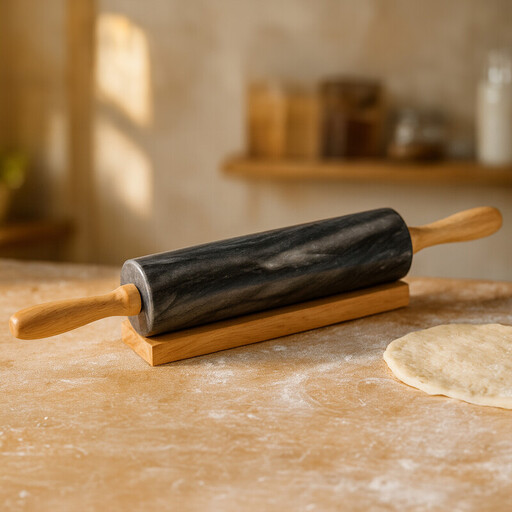
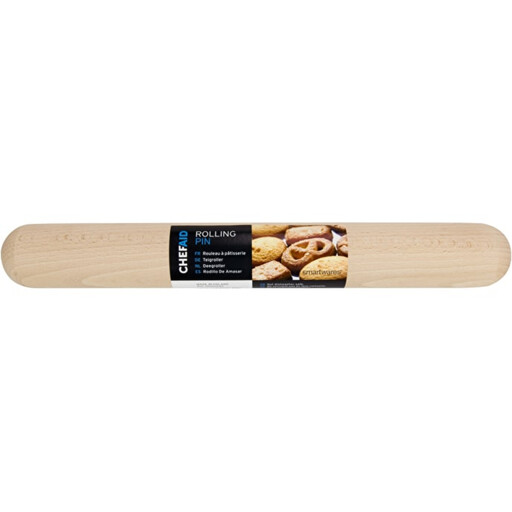
dough roller. Made from solid wood, its simple, straight form offers a direct connection to the dough, giving you tactile feedback and complete control over thickness.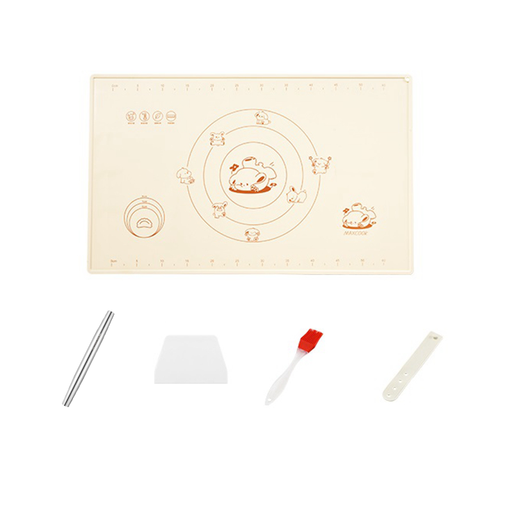
pastry mat, a dough scraper and a brush. The mat's measurement guides are perfect for portioning and sizing dough with precision, while the non-stick surface makes cleanup simple.baking accessories.fondant rolling pin or precisely sized pie crusts.rolling pin and mat set is particularly useful for those who work with sticky doughs or fondant, or anyone wanting an all-in-one solution for a tidy and efficient workspace.If our recommendations aren't quite what you're looking for, or if you're interested in expanding your collection, there are many other options to explore. From specialised pins to a wider range of materials and sizes, you can find the perfect tool for your next baking project.
Discover Our Full Range of Baking Tools & Accessories
1. What is the most versatile material for a rolling pin? For general-purpose baking, a classic wooden rolling pin is highly versatile. It works well for a wide range of doughs, from cookies and pies to bread. However, if you frequently make laminated doughs like puff pastry, a marble rolling pin or a chillable stainless steel rolling pin might offer more consistent results.
2. How do I prevent dough from sticking to my rolling pin? There are a few effective methods. The most common is to lightly dust your work surface, the dough and the rolling pin with flour. For very sticky doughs, you can try rolling it between two sheets of baking parchment. Using a naturally cool marble or a chilled stainless steel pin also helps, as does working on a non-stick silicone pastry mat.
3. Is a rolling pin with handles better than one without? This comes down to personal preference. Rolling pins with handles can provide a more secure grip and make it easier to apply even pressure, which is often helpful for beginners or when rolling large, stiff sheets of dough. Handle-less "French" pins are favoured by some bakers for the greater control and sensitivity they offer, allowing them to feel the thickness of the dough more directly beneath their hands.