
24/7 Customer Support

Free returns

Same-day & Next-day Delivery

Quality Guaranteed

Unlock Your Welcome Offers: FREE Delivery | Up to 80% OFF | Free 30-day JoyPlus trial
Download the APP
Finding a comfortable and secure way to carry your phone, keys and payment cards can be a persistent challenge for any runner. Juggling items in your hands is distracting, and pockets often lead to bouncing that disrupts your rhythm. A well-chosen running belt offers a simple, hands-free solution, allowing you to focus on your performance.
As a Joybuy Product Recommendation Officer, my role is to help you navigate the options. This guide is designed to provide practical advice on what to look for in a running waist pack and to highlight a couple of noteworthy options that balance function, comfort and safety.
Before you decide, consider these key features. A little thought now can ensure you get a piece of gear that you will use for years to come.
The most critical feature of any workout belt is its stability. Look for models with a wide, adjustable elastic strap. This allows you to achieve a snug fit that sits comfortably on your waist or hips without chafing or bouncing as you move. Materials like Spandex and Polyester are often used for their lightweight, breathable and slightly stretchy properties, which contribute to a more secure and comfortable experience. A slim waist pack design is generally preferable for running as it minimises bulk.
Consider what you need to carry. Most runners require a running phone holder that can accommodate a modern smartphone, along with space for keys, a gel and a card. Belts with expandable pockets are an excellent choice, as they remain streamlined when empty but can stretch to fit your essentials. Furthermore, given the UK's unpredictable weather, a waterproof waist pack is a sensible investment. Look for products with a waterproof outer layer or a sealed inner lining to protect your electronics from rain and sweat.
If you run during the early morning, in the evening, or on overcast days, visibility is a crucial safety consideration. Many running belts incorporate reflective elements. This reflective running gear makes you more visible to drivers, cyclists and other pedestrians in low-light conditions. Some belts feature small reflective logos, while others offer full reflective surfaces for maximum visibility.
Based on features that address comfort, capacity and safety, here are two recommendations that cater to different priorities.
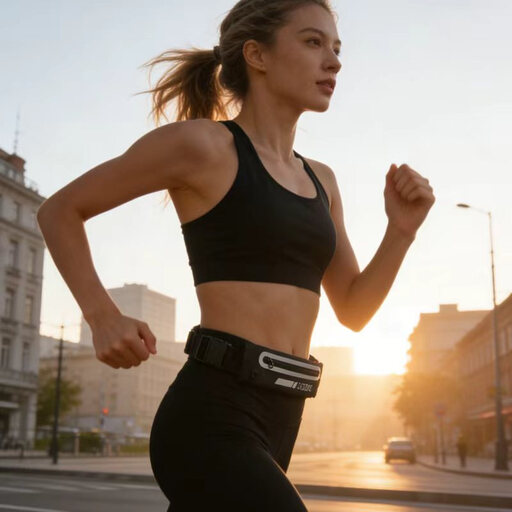
Why It Stands Out: This runners pouch offers a thoughtful balance of features for the everyday athlete. Its dual-layer construction is a key highlight, with a reinforced TPU inner layer for water resistance and a durable outer layer. This design provides reliable protection for your phone and other valuables without adding unnecessary bulk.
Pros:
Who is it for? This is a versatile option for runners, walkers and cyclists who need a reliable, low-profile belt for daily use. It’s particularly suitable for those who want solid weather protection and a comfortable fit for various activities, from a quick jog to a long hike.
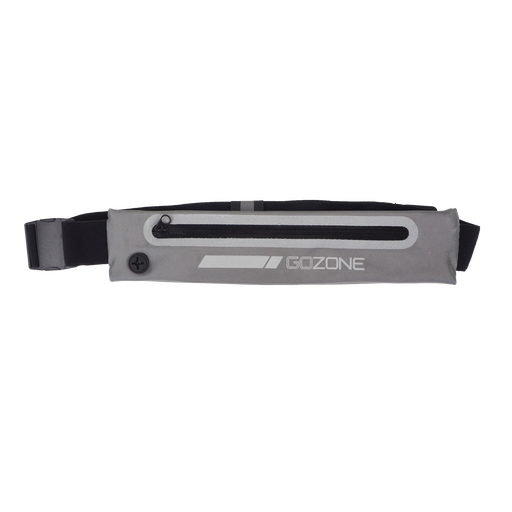
Why It Stands Out: The standout feature of this belt is its commitment to safety. The entire front surface is made from reflective material, providing exceptional visibility from a distance. This makes it a top-tier choice for anyone exercising near traffic during dawn, dusk or at night.
Pros:
Who is it for? This belt is aimed squarely at the safety-conscious individual. If your routine involves running or cycling on roads in the early morning or late evening, the enhanced visibility offered by this belt is a significant advantage.
While these two running belts offer excellent functionality, they may not be the perfect fit for everyone. Some people prefer armbands or different pack styles for their activities.
If you would like to explore a wider variety of carrying solutions, you can browse our complete collection of strap phone holders and other accessories.
Explore More Strap Phone Holder Options on Joybuy UK
Modern running belts are specifically designed to minimise bounce. Models with wide, adjustable elastic straps and form-fitting materials like Spandex allow you to secure the belt snugly against your body. When fitted correctly, it should remain stable and comfortable throughout your run.
Most contemporary running belts feature expandable pockets made from flexible materials. These are designed to accommodate a wide range of smartphone sizes, including larger models. It is always a good practice to check the product specifications, but options like the ones recommended here are built with modern phones in mind.
While they serve a similar purpose, there are key differences. A running belt is typically a slim waist pack focused on a minimalist, no-bounce design for high-impact activity. A hiking waist pack, on the other hand, often prioritises capacity, offering more space and multiple compartments for longer excursions, which may result in a bulkier profile not ideal for running.