Hosts using long or hand-sliced rye loaves
Compare slot length as well as width with the slices you normally cut. A long-slot format is worth considering when slice length, rather than thickness, is the obstacle.


Choose the slot shape around the rye bread you usually serve: extra-long slots address long slices, while extra-wide slots address thick ones. If you want four slices ready together, check the stated capacity; if friends prefer different shades of toast, also look for independently controlled pairs.
Compare slot length as well as width with the slices you normally cut. A long-slot format is worth considering when slice length, rather than thickness, is the obstacle.
Look for a stated four-slice capacity so compatible slices can toast in one round. Four separate slots and two extra-long slots can both provide that capacity, but accommodate bread differently.
Look for separate controls for each pair if guests want lighter and darker toast at the same time. Four-slice capacity alone does not establish that the pairs can use different settings.
Start with the size of your usual rye slices, then decide whether one-round serving or separate browning settings matter most for your guests.
| Concern | What to check | Who this matters to |
|---|---|---|
| Rye-slice fit | Compare your usual slice with the stated slot width and length; a wide slot is not necessarily a long one. | If I cut thick or unusually long rye, I want it to fit without forcing it into the toaster or leaving an end exposed. Around 34% of consumers would put bread fit first. |
| One-round serving | Check the stated slice capacity, particularly on designs with two long slots. | When several friends want toast together, I would rather serve compatible slices in one round than keep a group waiting. Roughly 33% of consumers would make serving capacity their primary concern. |
| Different browning preferences | Look for independent controls or separate timers for each pair, not just an adjustable browning dial. | If one guest wants lighter toast and another wants darker toast, I need to set the two pairs separately. About 20% of consumers would prioritise that flexibility. |
| Safe, straightforward upkeep | Consider an accessible crumb tray and high lift for smaller pieces; check that the appliance suits your electrical supply. | For frequent toast-making, I want to remove crumbs and retrieve small pieces without reaching into hot slots. Around 13% of consumers would put safe, manageable upkeep first. |
Width helps with thick slices, but a long, hand-cut slice can still extend beyond the toasting area or be difficult to fit.
Check both dimensions against your usual bread. If length is the problem, look for an explicitly long-slot design.
Four-slice capacity lets you prepare more toast together, but it does not necessarily let guests choose different browning levels in the same round.
For mixed preferences, check for independent settings or separate timers for each pair.
A toaster must be suitable for the supply you will connect it to; an adaptor alone does not establish voltage compatibility.
For ordinary UK household use, follow Electrical Safety First’s advice to check for a UK three-pin plug and fuse, and inspect the plug and cable before use.
Reaching into a toaster or letting crumbs accumulate creates avoidable injury and fire risks.
Electrical Safety First advises unplugging the toaster before clearing stuck toast, using wooden tongs rather than fingers or metal objects, and cleaning the crumb tray frequently.
Dualit offers distinct four-slot and long-slot Lite models, so the relevant choice depends on the shape of your rye slices.
The Addison 4 Slice is relevant when serving several guests with different browning preferences.
The Signature 4-Slice long-slot model is relevant when longer rye slices and four-slice capacity are both priorities.
These four-slice options cover wide-slot and long-slot formats for serving rye bread to friends. Compare the actual slot dimensions with your usual slices, and check for separate controls if guests want different browning levels.
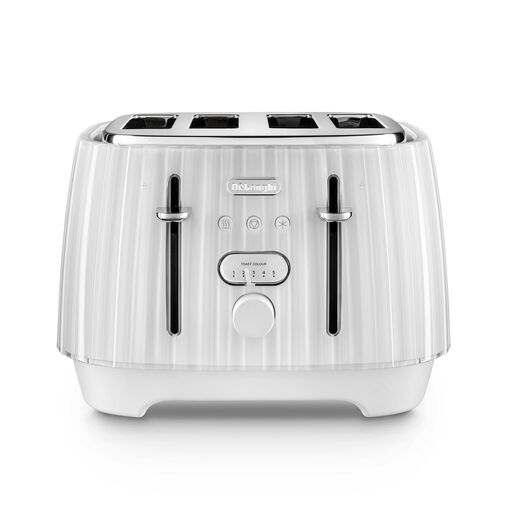 No image available
Consider its four-slice format when you want toast ready for a small group. Check the slot dimensions against thick or long rye slices and confirm whether its controls meet your guests’ browning preferences.
Check that the plug and electrical rating suit your household supply.
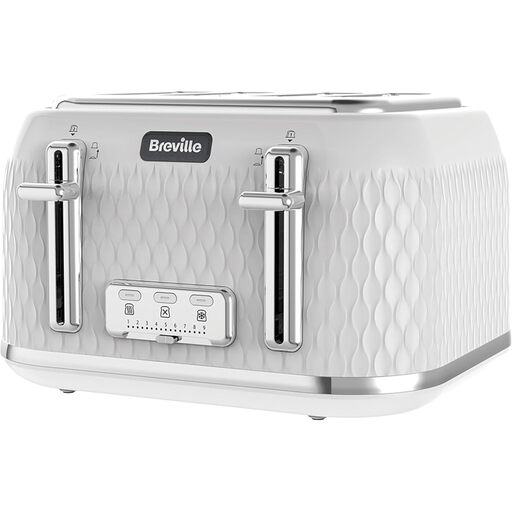 No image available
Its four-slice, wide-slot format is worth considering for serving several thick-cut slices, provided your rye fits. High lift is a feature to consider if you also toast smaller pieces.
Compare slot dimensions with your bread, and check the plug and electrical rating for your household supply.
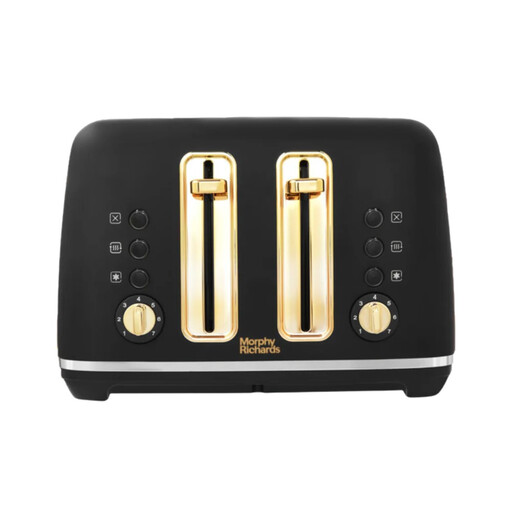 No image available
Consider this extra-wide-slot, four-slice model when thick-cut rye and serving several friends are your priorities. Check slot length before choosing it for unusually long slices.
If guests want different shades at once, confirm the control layout; also check that the plug and electrical rating suit your household supply.
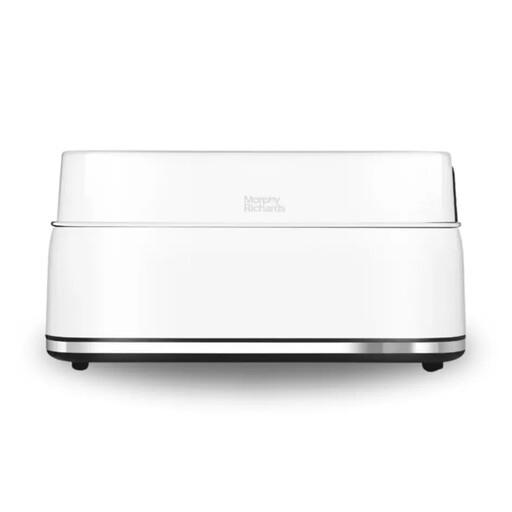 No image available
Its four-slice, long-slot format is relevant when you serve rye cut from a longer loaf. Morphy Richards specifies two extra-long slots for this model; compare their dimensions with your usual slices.
Check the control layout if guests want different browning levels, and confirm that the plug and electrical rating suit your household supply.
 No image available
The four-slice long-slot format is relevant if longer rye slices and group serving are both priorities. The model is described with extra-wide slots, five bread types and a 1450W rating; check the slot dimensions against your bread.
Confirm the control layout if separate browning settings matter, and check that the plug and electrical rating suit your household supply.
No: width addresses thickness, not necessarily length. For rye cut from a long loaf, compare the slice with the stated slot dimensions and consider a long-slot model.
Four-slice capacity is useful when you want several compatible slices ready in one round. If guests want different shades, also check for independent controls for each pair; capacity alone does not provide them.
Unplug the toaster first. Electrical Safety First advises using wooden tongs for stuck toast, keeping fingers and metal objects out of the slots, and cleaning the crumb tray frequently.
Check that the toaster suits the electrical supply you will use and has an appropriate UK three-pin plug and fuse for ordinary UK household use. An overseas plug adaptor does not, by itself, establish voltage compatibility.
Register it with the manufacturer where that option is offered, and keep your proof of purchase. Electrical Safety First notes that registration makes it easier for manufacturers to contact owners about recalls.