
24/7 Customer Support

Free returns

Same-day & Next-day Delivery

Quality Guaranteed
Download the APP
Categories
As a photographer or videographer, few things are more frustrating than a memory card that can't keep up. You've invested in a camera capable of capturing stunning 4K video, only to be thwarted by stuttering footage, dropped frames or a buffer that lags during a critical burst of shots. The technical jargon on packaging—V30, UHS-I, write speeds—can feel like a maze when all you want is a reliable card that works.
This guide is designed to cut through the jargon. As the Joybuy Product Recommendation Officer, my role is to provide clear, practical advice to help you select the right storage for your needs. We will look at the essential specifications for recording high-quality 4K video and highlight a few dependable options for your DSLR or mirrorless camera.
Choosing a memory card isn't just about capacity. For demanding tasks like 4K video, speed and reliability are paramount. Here are the key factors to consider.
When you see a V30 rating on a memory card, it signifies a Video Speed Class 30. This is a guarantee that the card can maintain a minimum sustained write speed of 30MB/s. For most modern DSLR and mirrorless cameras, this is the baseline requirement for recording smooth, uninterrupted 4K video. A card without this rating, or with a lower one like V10, may struggle to write the large amount of data generated by 4K footage, leading to recording errors or lost frames. A V30 memory card is a non-negotiable starting point for serious videography.
Card manufacturers often advertise high speeds, but it's crucial to distinguish between read and write speeds.
While both are important, the write speed directly impacts your camera's performance during capture.
Memory cards come in different formats, primarily SDHC (Secure Digital High Capacity) and SDXC (Secure Digital eXtended Capacity).
Given that 4K video files are very large, an SDXC UHS-I card is the most practical choice. A 64GB card is a good starting point, but 128GB or more is recommended for longer shoots to avoid having to swap cards mid-session.
Based on the essential criteria of speed, reliability and capacity, here are our recommendations for photographers and videographers shooting in 4K.
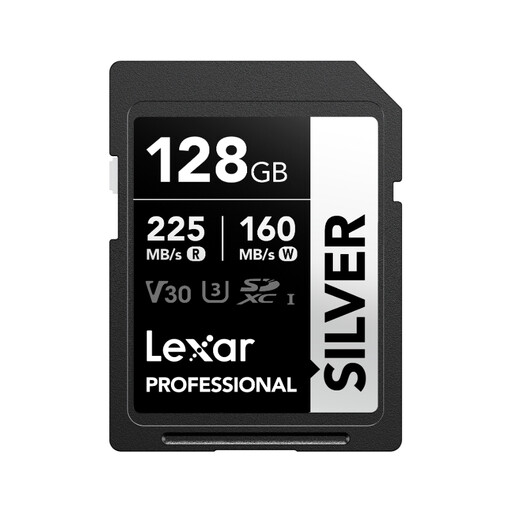
Why It Stands Out: This card offers an excellent balance of performance and capacity. With a maximum write speed of 140MB/s, it comfortably handles 4K video at 60fps and high-speed burst shooting. The impressive read speed of up to 205MB/s (when used with a compatible reader) also ensures your post-production workflow is swift and efficient.
Pros:
Who is it for?: Professional and enthusiast memory card for photographers and videographers who need a versatile, high-performance card for a mix of 4K video and high-resolution stills.
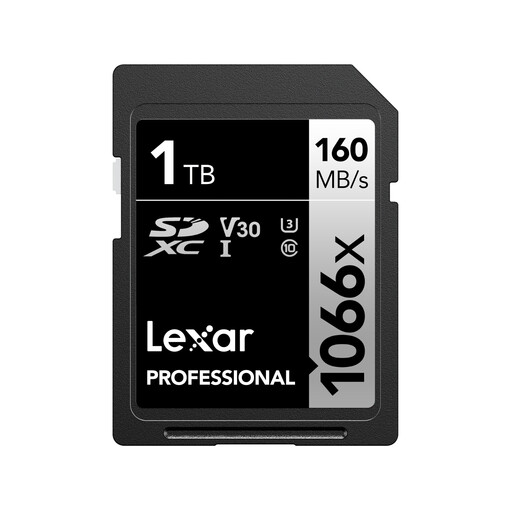
Why It Stands Out: The standout feature here is the enormous 1TB capacity. For videographers shooting long-form content like documentaries, weddings or events, this card eliminates the need to carry and manage multiple smaller cards. It provides peace of mind that you won't run out of space during a critical, unrepeatable moment.
Pros:
Who is it for?: Professional videographers, documentary filmmakers and content creators who require maximum storage for long recording sessions and cannot risk running out of space.
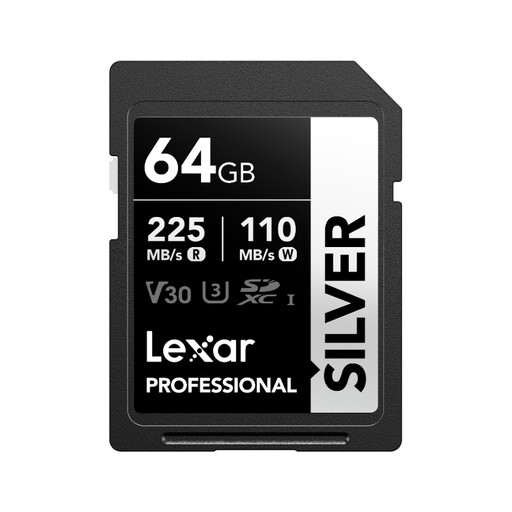
Why It Stands Out: This card provides a dependable and accessible entry point into 4K-ready storage. It meets all the essential criteria, including the V30 rating and a solid write speed of up to 90MB/s, making it more than capable of handling 4K video. Its 64GB capacity is sufficient for shorter projects or for use as a reliable backup card.
Pros:
Who is it for?: Photographers and videographers just starting with 4K, or professionals looking for a cost-effective and reliable backup card to keep in their camera bag.
While these three cards cover a range of common needs, every creator's workflow is unique. You may require a different capacity or have a camera with specific speed requirements. If you're looking for other dependable storage solutions, you can explore our full range.
Browse our curated collection of U3 V30 SD cards to find the perfect match for your camera and projects.
Yes, for the vast majority of DSLR and mirrorless cameras, a V30 rating is the recommended standard for recording 4K video. It guarantees a minimum sustained write speed of 30MB/s, which is sufficient to handle the data stream without causing dropped frames. For very high-bitrate cinematic cameras or recording at high frame rates like 4K at 120fps, you should always check your camera manufacturer's specific card requirements.
The primary difference lies in the physical design and potential speed. UHS-I cards have a single row of contact pins, while UHS-II cards have a second row that enables significantly faster read and write speeds. However, to benefit from UHS-II speeds, both your camera and your card reader must have UHS-II compatible slots. For most 4K video applications, a high-quality SDXC UHS-I card with a V30 rating offers more than enough performance and generally provides better value.
The amount of footage a card can hold depends on your camera's bitrate settings (measured in Mbps, or megabits per second). As a general estimate, a 128GB card can store approximately 2.5 to 5 hours of 4K video. For example, at a common bitrate of 100 Mbps, a 128GB card will hold around 2 hours and 50 minutes of footage. It is always a good practice to have more storage than you anticipate needing for an important shoot.