
24/7 Customer Support

Free returns

Same-day & Next-day Delivery

Quality Guaranteed

Unlock Your Welcome Offers: FREE Delivery | Up to 80% OFF | Free 30-day JoyPlus trial
Download the APP
Seasoned seaweed has become a staple in many UK cupboards, loved for its savoury, umami-rich crunch. Whether you're looking for a light snack, a lunchbox filler or a way to liven up a bowl of rice, the options are plentiful. However, not all seaweed products are created equal. Navigating the market can be tricky, and it's easy to end up with a product that disappoints.
Many shoppers fall into a few common traps. Firstly, the "healthy halo" can be misleading; some seaweed snacks are surprisingly high in salt, sugar or oil, diminishing their appeal as a wholesome choice. Secondly, there's the freshness gamble. Nothing is more disappointing than opening a pack to find limp, chewy seaweed instead of the crisp sheets you were expecting. This is often a result of poor packaging. Finally, many "flavoured" options promise a bold taste but deliver a bland or artificial one, failing to capture the authentic East Asian flavours you're after.
As your Joybuy Product Recommendation Officer, my role is to help you see past the marketing and focus on what truly matters. This guide will break down the key factors to consider, ensuring your next purchase is a satisfying one.
To make a smart choice, it helps to understand the different types of seasoned seaweed and what defines their quality. Focusing on these three areas will help you find the right product for your needs.
The physical form of the seaweed dictates its primary use. Choosing the wrong format can lead to a frustrating kitchen or snacking experience.
Nori or Laver): These are thin, roasted sheets, often sold in multi-packs of small portions. They are the classic seaweed snacks and are ideal for eating directly, wrapping around small portions of rice or cutting into strips for garnish. Look for terms like roasted seaweed or laver snack. Plain, unseasoned versions are known as yaki nori and are primarily for making sushi rolls.Furikake): This is a type of Japanese rice seasoning consisting of small, shredded or crumbled pieces of seaweed, often mixed with sesame seeds, salt and other savoury ingredients. These seaweed flakes for rice are not typically eaten alone but are sprinkled over rice, noodles, salads and soups to add flavour and texture.The country of origin often indicates the flavour profile you can expect. While there are many variations, two main styles dominate the market.
Seaweed is highly hygroscopic, meaning it readily absorbs moisture from the air. Once moisture gets in, the seaweed loses its signature crispness.
Based on these practical criteria, here are a few recommendations matched to different needs and preferences.
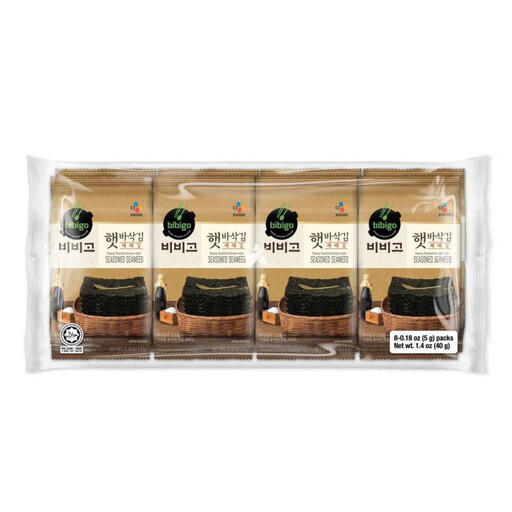
Why This Fits Their Persona: This is ideal for anyone needing a quick, mess-free snack. The eight individual 5g packs are perfectly portioned for popping into a lunchbox, desk drawer or bag for an on-the-go treat without any fuss.
It directly solves the "freshness gamble." Because each portion is individually sealed, you never have to worry about the rest of the product going stale after opening the main package.
Features the classic, authentic Korean seaweed flavour profile of roasted laver with sesame oil and salt. The portion control is a practical benefit.
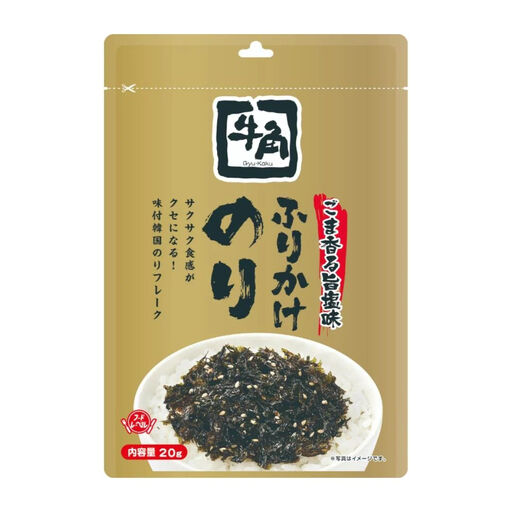
Why This Fits Their Persona: This is for the person who wants to easily add a genuine Japanese flavour to their meals. As a furikake seasoning, it's designed to be sprinkled on rice, noodles or even salads to provide an instant umami and textural boost.
It avoids the "underwhelming flavour" trap by offering a complex blend of seasoned seaweed flakes and toasted sesame, inspired by the Gyu-Kaku restaurant chain's signature taste.
Highly versatile for cooking and provides an authentic Japanese rice seasoning experience. The blend of corn, sesame and olive oils gives it a rich, savoury profile.
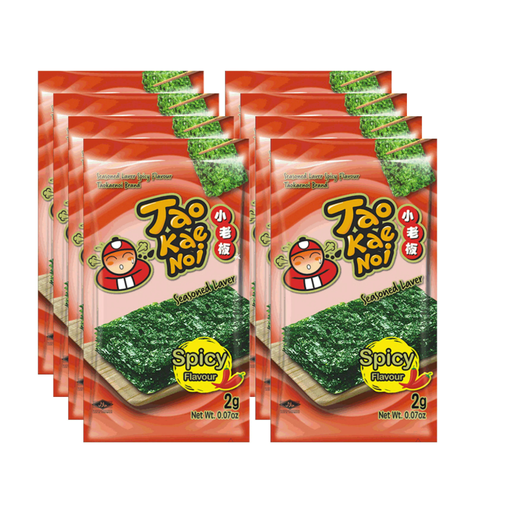
Why This Fits Their Persona: This is for the snacker who is actively seeking a spicy seaweed option and wants a noticeable kick of heat, not just a suggestion of spice. It's a dedicated flavour variant designed to deliver on that promise.
This product's ingredient list specifies a "Spicy Seasoning" containing chilli. This ensures it delivers a genuine spicy flavour, avoiding the pitfall of bland or artificially flavoured snacks.
It combines the satisfying crunch of a classic laver snack with a well-balanced spicy kick. The multi-pack format also ensures each spicy portion is fresh.
We have compiled a complete, real-time list of products that fully satisfy these strict selection criteria and UK safety regulations.
1. What is the difference between Korean and Japanese seasoned seaweed? The main difference lies in the seasoning. Korean seasoned seaweed (gim) is typically simple, roasted with sesame oil and salt for a nutty, savoury taste. Japanese seaweed products, particularly furikake, are often complex blends that can include seaweed, sesame seeds, sugar, salt and sometimes dried fish or egg, creating a multi-layered flavour profile designed for seasoning rice.
2. How do I keep my seaweed snacks crispy after opening a large pack? The best way is to avoid large, non-resealable packs in the first place. If you do have one, the key is to minimise air exposure. Immediately transfer the leftover seaweed into a completely airtight container. You can also add a food-safe desiccant packet (the small silica gel pouch often included in the original packaging) to the container to absorb any ambient moisture. Store it in a cool, dark and dry cupboard.
3. Can I use seasoned seaweed snacks to make sushi? While you technically can, it's not recommended for traditional sushi rolls (maki). Seasoned snacking seaweed is often thinner, more brittle and already oiled and salted, which can make it difficult to roll and may result in a soggy or overly salty roll. For making sushi, it is much better to use plain, unseasoned roasted seaweed sheets, specifically labelled as yaki nori or "sushi nori".