
24/7 Customer Support

Free returns

Same-day & Next-day Delivery

Quality Guaranteed

Unlock Your Welcome Offers: FREE Delivery | Up to 80% OFF | Free 30-day JoyPlus trial
Download the APP
A well-stocked pantry of seasonings and condiments is the secret to transforming everyday meals into something memorable. Yet, the sheer variety on supermarket shelves can be overwhelming. From classic table sauces to complex Asian seasonings, it is easy to end up with a cupboard full of half-used jars that did not quite deliver on their promise. Many home cooks in the UK find themselves disappointed by products that offer more marketing hype than genuine flavour.
As the Joybuy Product Recommendation Officer, my role is to help you navigate this crowded market. Before you make your next purchase, be aware of these common pitfalls that can lead to wasted money and bland dishes:
To ensure you are buying quality seasonings and condiments that deliver genuine value, focus on these three key parameters. They are far more revealing than the marketing claims on the front of the package.
In the UK, ingredients must be listed in descending order of weight. This is the single most important tool you have. Before buying any cooking sauces or seasoning powder, check the first three ingredients. If 'Salt', 'Sugar' or 'Water' appear before the primary flavouring agent (like 'Tomato', 'Chilli', or 'Mushroom'), you should be cautious. A high-quality product will list its defining ingredient at or near the top.
Quantitative Ingredient Declaration (QUID) is a legal requirement that tells you the percentage of a specific ingredient if it is highlighted on the label or is essential to the product's character. For example, a plum sauce that boasts about its fruity taste should state the percentage of plums. This is a clear, objective measure of what you are paying for. A spicy condiment with a QUID of "Chilli (48%)" is fundamentally different from one with only 5%.
Many products use flavour enhancers to create a savoury or 'umami' taste. While Monosodium Glutamate (MSG, E621) is common, some products use more complex enhancers like Disodium 5'-Ribonucleotide (E635) for a deeper, meatier flavour. Others achieve this naturally with ingredients like yeast extract, mushroom powder or fermented soybeans. Understanding these differences helps you choose a product that aligns with your flavour preferences and dietary goals.
Here are a few recommendations from our catalogue, matched to different cooking styles and needs, that meet our criteria for quality and transparency.
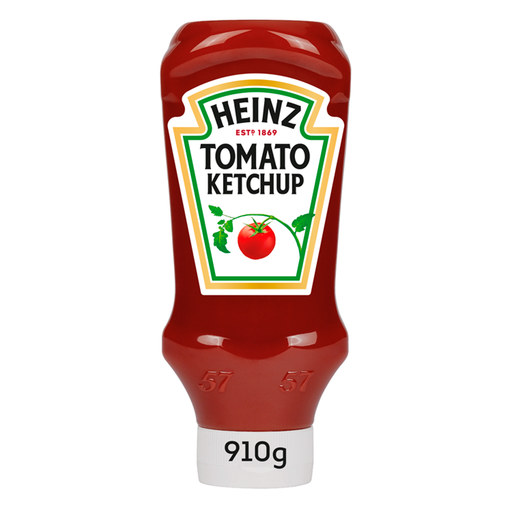
Why This Fits Their Persona: A reliable staple for any UK household. This large, top-down bottle is practical for family meals, from fish and chips to weekend bacon butties. It provides a consistent, crowd-pleasing flavour that children and adults recognise and enjoy.
It avoids the "filler" trap. The QUID states it is made with 148g of tomatoes per 100g of ketchup, and 'Tomatoes' is the first ingredient, ensuring a rich, authentic tomato base rather than a watery, sugary sauce.
No artificial colours, flavours or preservatives. The large 910g size offers good value for frequent use, and the top-down bottle design minimises waste.
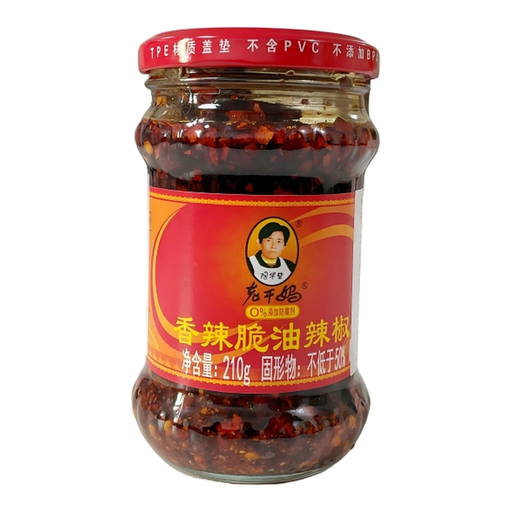
Why This Fits Their Persona: For the home cook seeking genuine Sichuan flavours, this is an indispensable condiment. It adds a complex, savoury crunch and aromatic heat to noodles, rice, dumplings and stir-fries, moving far beyond simple spiciness.
This product masterfully avoids the "one-dimensional heat" trap. It combines crunchy chilli flakes (20%), peanuts, and fermented soybeans with fragrant oil and a hint of Sichuan pepper for a multi-layered taste and texture experience.
Extremely versatile as both a cooking ingredient and a finishing condiment. The combination of crispy, savoury and spicy elements adds instant complexity to simple dishes.
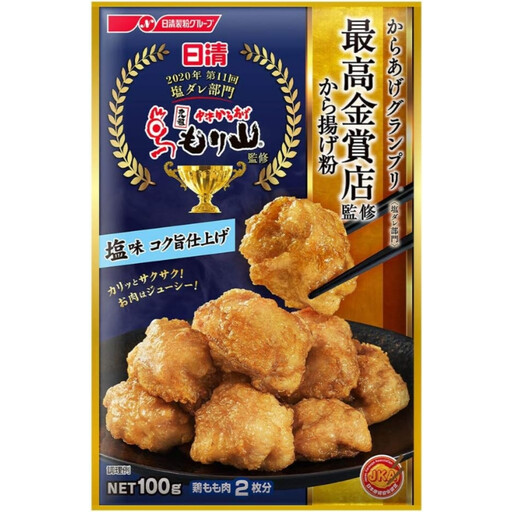
Why This Fits Their Persona: Ideal for anyone who wants to create a delicious, crispy fried chicken meal without the fuss of measuring out multiple spices. It is a complete seasoning mix that guarantees a crunchy coating and savoury flavour with minimal effort.
This avoids the "authentic flavour illusion" by being a purpose-built product. It is not claiming to be a generic spice blend; it is a specific coating mix formulated with wheat flour, corn starch and a balanced spice profile for one job: making great fried chicken.
Delivers consistent, restaurant-quality results. The blend of leavening agents and starches ensures a reliably crispy texture that can be difficult to achieve from scratch.
We have compiled a complete, real-time list of products that fully satisfy these strict selection criteria and UK safety regulations.
To maintain maximum freshness and potency, store all dry spices and seasoning powders in airtight containers. Keep them in a cool, dark and dry place, such as a pantry or cupboard, away from the heat and steam of the cooker. Light, heat and moisture are the primary enemies of dried seasonings, causing them to lose flavour and clump together.
A dry rub is a blend of spices, herbs and seasoning powder that is rubbed directly onto the surface of meat, poultry or fish before cooking. It creates a flavourful crust. A marinade is a liquid mixture, typically containing an acid (like vinegar or citrus juice), oil and seasonings. The food is soaked in the marinade before cooking to tenderise it and infuse it with flavour. Some seasoning powders can be used as a base for either a dry rub or a marinade.