
24/7 Customer Support

Free returns

Same-day & Next-day Delivery

Quality Guaranteed

Unlock Your Welcome Offers: FREE Delivery | Up to 80% OFF | Free 30-day JoyPlus trial
Download the APP
From savoury snacks to nutrient-rich additions in home-cooked meals, seaweed has firmly established itself in British kitchens. Yet, navigating the choices can be confusing. With so many varieties and formats available, it is easy to make a purchase that doesn't quite fit your needs. As a Joybuy Product Recommendation Officer, my role is to help you understand the key differences so you can choose with confidence.
This guide cuts through the clutter, focusing on the practical details. We will look at the common pitfalls that lead to disappointing meals or wasted money, break down the essential types of seaweed and match specific products to different needs.
Before you add anything to your basket, be aware of these frequent missteps:
crispy seaweed products are marketed as a guilt-free alternative to crisps. While often lower in calories, some can be surprisingly high in sodium or are fried in less-desirable oils, undermining their health credentials. Always checking the nutritional information is crucial.iodine supplement—can be an easy mistake to make.To avoid the traps above, focus on these three core parameters. Understanding them will ensure you get a product that works for your specific purpose.
The first step is to identify the main types of edible seaweed and their primary uses:
Japanese seaweed. It is typically pressed into thin, dried sheets. Roasted nori is used for making sushi rolls and as a garnish, while seasoned versions are sold as popular seaweed snacks.dried seaweed.How the seaweed is processed determines its use:
dried seaweed sheets, flakes or knots (wakame, kelp) require rehydration before use. They offer the most culinary versatility and allow you to control the final seasoning. This is the go-to for anyone wanting seaweed for soup or salads.organic seaweed.A quick check of the label can tell you everything you need to know. For snacks, pay close attention to the sodium content and the type of oil used. For dried varieties, look for single-ingredient products to ensure purity. If you prefer products with fewer synthetic inputs, an organic certification provides an extra layer of assurance.
Based on the criteria above, here are our recommendations, matched to different user needs and lifestyles in the UK.
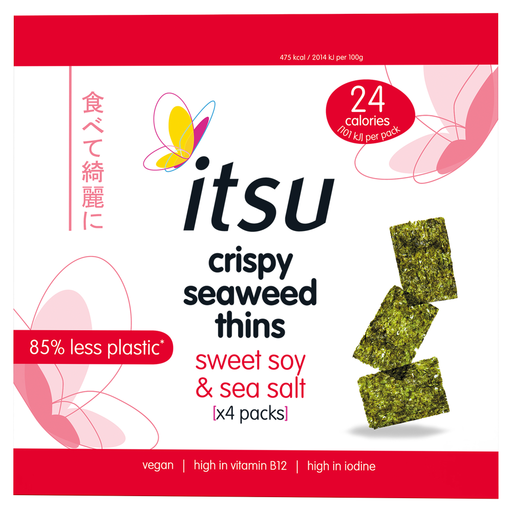
Why This Fits Their Persona: This multipack is ideal for lunchboxes or a quick office snack. The sweet soy and sea salt flavour is familiar and satisfying, offering a light, savoury crunch that is a great alternative to traditional crisps.
It directly addresses the "healthy snack" illusion. The pre-portioned 5g packs make it easy to manage your intake of salt and oil, preventing mindless overconsumption from a large sharing bag.
The convenient multipack format and light, crispy texture make it a consistently enjoyable and practical snack.
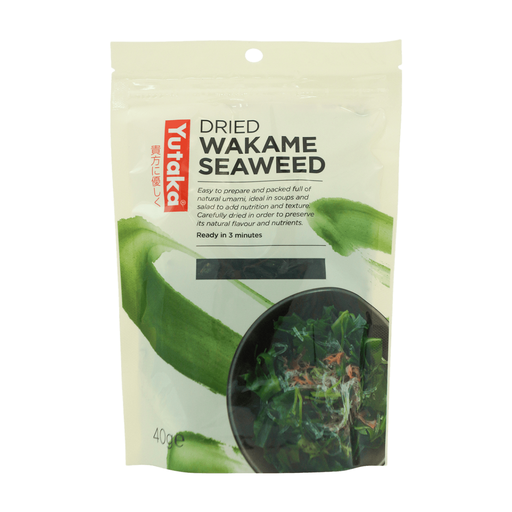
Why This Fits Their Persona: For anyone looking to explore Asian cuisine, this dried wakame is an essential pantry staple. It is the correct type for making classic miso soup or adding a nutritious, savoury element to salads and noodle dishes.
This product prevents the "wrong type for the task" pitfall. As a pure, unseasoned dried wakame, it is specifically designed for rehydration and cooking, ensuring the correct texture and flavour for soups and salads.
It expands significantly after soaking, meaning a small 40g pack goes a long way. It gives the cook complete control over the final dish's flavour profile.
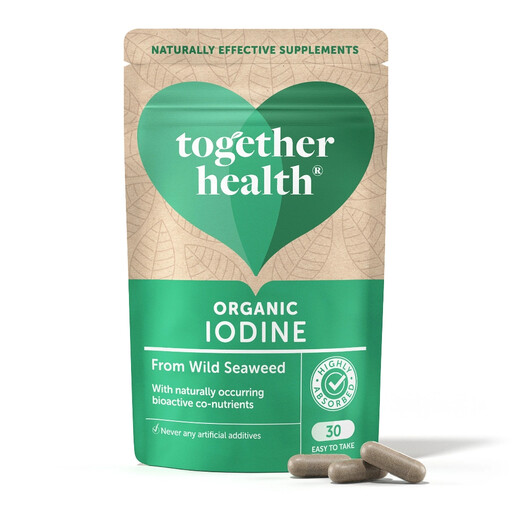
Why This Fits Their Persona: This is for someone who wants the nutritional benefits of iodine from a natural source but prefers the convenience and precision of a supplement. It is ideal for vegans, vegetarians or anyone looking to support their thyroid health with a reliable dose.
It solves the "iodine overload" risk. According to the brand, every batch is lab-tested to ensure a consistent, safe dose, removing the guesswork associated with the variable iodine levels in wild seaweed.
The iodine is derived from 100% organic Ascophyllum seaweed in a clean, vegan capsule with no artificial fillers or binders.
We have compiled a complete, real-time list of products that fully satisfy these strict selection criteria and UK safety regulations.
1. How do I know which type of seaweed to buy for soup? For most Japanese and Korean-style soups, wakame is the standard choice. It rehydrates into soft, silky leaves that add a pleasant texture and savoury flavour. Look for products labelled "Dried Wakame" or "Seaweed for Soup". Avoid using thin, crispy nori sheets, as they will disintegrate.
2. Are crispy seaweed snacks actually a healthy choice? They can be, but it depends on the product and your consumption habits. A good crispy seaweed snack is baked, not fried, and is seasoned lightly. They are generally a source of fibre and minerals. The key is to check the sodium and fat content on the nutritional label and enjoy them in moderation, just like any other snack.
3. What is the best way to store dried seaweed after opening the packet? Moisture is the enemy of dried seaweed. Once opened, it is vital to reseal the package as tightly as possible. For even better results, transfer the seaweed to an airtight container and store it in a cool, dark and dry cupboard. This will prevent it from becoming soft or stale and will preserve its flavour and crispness for much longer.