
24/7 Customer Support

Free returns

Same-day & Next-day Delivery

Quality Guaranteed

Unlock Your Welcome Offers: FREE Delivery | Up to 80% OFF | Free 30-day JoyPlus trial
Download the APP
Tooth sensitivity can make everyday foods and drinks uncomfortable, particularly when cold water, hot tea, ice cream or sweet foods trigger a sharp twinge. Choosing the right sensitive toothpaste may help support a more comfortable daily brushing routine, but product labels can make comparison difficult.
Formulas may focus on exposed dentine, enamel wear, whitening, gum care or fresh breath. The most suitable option depends on what is causing concern and which features you will realistically use twice a day.
A sensitive whitening toothpaste generally works by removing surface stains with cleaning and polishing ingredients. It does not necessarily change the natural colour of teeth or remove deeper discolouration.
Look for wording such as “removes surface stains” rather than assuming that a whitening formula will deliver professional-style results. If sensitivity is your main concern, a highly abrasive-feeling formula or aggressive brushing technique may be counterproductive.
Terms such as “instant” or “rapid sensitivity relief toothpaste” can refer to a product’s directions for applying a small amount directly to a sensitive area. This is different from simply brushing with it.
Check whether the product is intended for twice-daily brushing, targeted fingertip application or both. Follow the packaging instructions rather than applying more toothpaste in the expectation of faster results.
A toothpaste designed for sensitivity may not be the right match if your priority is bleeding gums, acid wear or stain removal. Similarly, a gum care toothpaste may have a different taste or texture from a standard daily formula.
Compare the active ingredients and fluoride information instead of relying only on the front-of-pack claim. If sensitivity is persistent, worsening or accompanied by swelling, seek advice from a dentist, as sensitivity can indicate an underlying dental problem.
For adults and children aged 12 and over, check the label for a fluoride toothpaste suitable for everyday use. Many of the products listed here contain 1450 ppm fluoride, shown on the packaging as sodium fluoride, stannous fluoride or sodium monofluorophosphate.
Fluoride helps protect against tooth decay when used as part of regular brushing. Spit out excess toothpaste after brushing and avoid swallowing it. Products in this guide are generally labelled for people aged 12 and over unless a dental professional advises otherwise.
Common sensitivity-care ingredients include potassium nitrate, arginine and stannous fluoride. These formulas work in different ways according to their product design: some are intended to calm sensitivity with continued use, while others are designed to form a barrier over exposed dentine.
For example, Colgate’s Pro-Argin formulas contain arginine and are designed to help block pathways associated with sensitivity. Sensodyne products may use potassium nitrate, stannous fluoride or calcium sodium phosphosilicate, depending on the variant. Always check the current ingredient list on the tube, as formulations can change.
Choose according to the issue you want to manage most consistently:
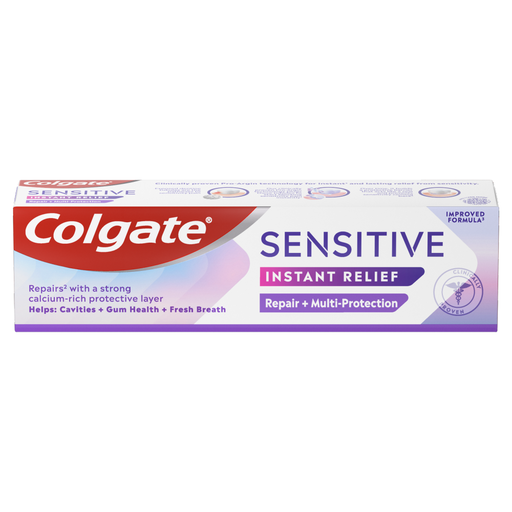
Why This Fits Their Persona: A practical starting point for shoppers who want sensitivity care alongside enamel, cavity and fresh-breath support in one 75ml tube.
Its multi-protection positioning does not rely on whitening alone; the label also lists fluoride and arginine-based sensitivity care.
75ml size; contains sodium monofluorophosphate and arginine; designed for twice-daily use.
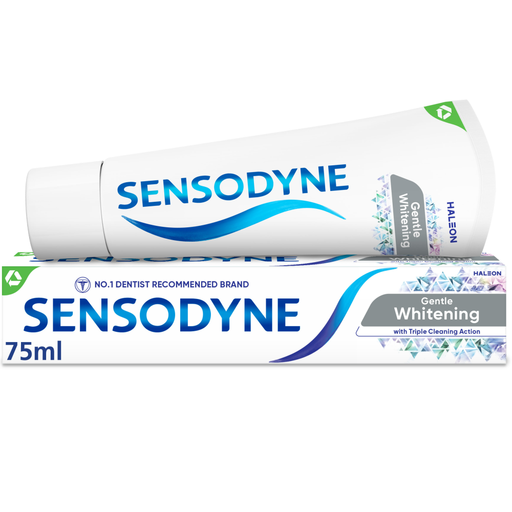
Why This Fits Their Persona: Suitable for someone who wants a familiar daily sensitivity routine while gently addressing surface stains from tea or coffee.
The product description specifies gentle stain removal rather than promising a change to the underlying tooth colour.
Contains potassium nitrate and 1450 ppm sodium fluoride; mint flavour; 75ml tube.
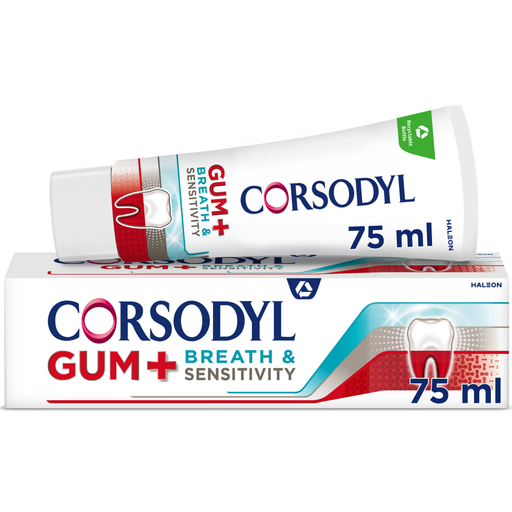
Why This Fits Their Persona: A sensible match for adults prioritising gum-line cleaning, breath freshness and sensitivity in the same routine.
It is positioned around gum and breath care as well as sensitivity, helping shoppers avoid choosing a whitening-only product for a gum-related concern.
Contains stannous fluoride and sodium fluoride providing 1450 ppm fluoride; peppermint and spearmint flavour.
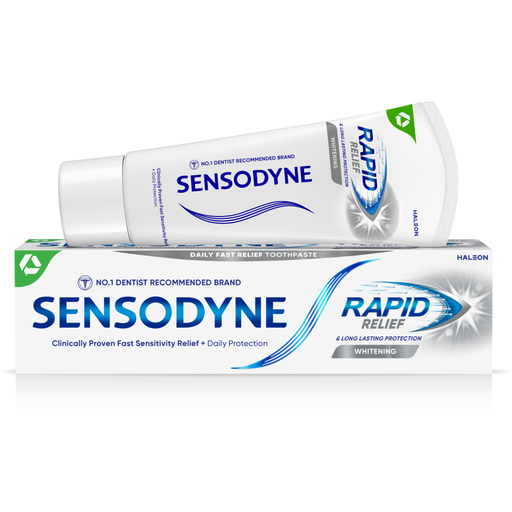
Why This Fits Their Persona: Designed for shoppers who want a toothpaste for sensitive teeth with a targeted-use instruction alongside normal brushing.
The product instructions distinguish targeted application from routine brushing, making the rapid-relief feature clearer to use.
Contains stannous and sodium fluoride with 1450 ppm fluoride; also includes stain-removal ingredients.
We have compiled a complete, real-time list of products that fully satisfy these strict selection criteria and UK safety regulations.
Use a pea-sized amount on a soft-bristled toothbrush and brush gently for around two minutes, twice daily, unless the packaging says otherwise. Avoid scrubbing hard, particularly around the gum line, as forceful brushing can contribute to discomfort.
Most fluoride toothpaste instructions advise spitting out excess and not swallowing. Some sensitive formulas also advise avoiding immediate rinsing, allowing ingredients to remain on the teeth for longer. Follow the directions on your chosen product because instructions differ between variants.
Keep the cap closed and store the tube in a cool, dry place. A 75ml tube is convenient for everyday bathroom use, travel or keeping a spare at work. Check the expiry date and packaging before use.
The timeframe varies by formula and the reason for sensitivity. Some products are intended to provide a rapid-use option, while others are designed for protection with consistent twice-daily brushing. If symptoms persist or worsen after a period of regular use, arrange a dental appointment rather than repeatedly changing toothpaste.
Many sensitive whitening formulas are labelled for daily use, but check the specific directions. They are generally intended to remove surface stains, not replace professional whitening. Use a soft brush and gentle pressure to reduce unnecessary irritation.
Several products in this selection are labelled for adults and children aged 12 and over. Younger children may require a different fluoride concentration and supervision. Check the packaging and ask a dentist or doctor before using a specialist formula for anyone under the stated age.
No. Toothpaste can support daily oral hygiene, but ongoing pain, bleeding gums, swelling or sensitivity in one particular tooth may require professional assessment. Seek prompt dental advice if symptoms continue or become more severe.