
24/7 Customer Support

Free returns

Same-day & Next-day Delivery

Quality Guaranteed

Unlock Your Welcome Offers: FREE Delivery | Up to 80% OFF | Free 30-day JoyPlus trial
Download the APP
A drizzle of fragrant sesame oil can transform a simple dish into something truly special, lending a nutty, aromatic depth that is the hallmark of many Asian cuisines. Yet, a walk down the supermarket aisle reveals a confusing array of options. From dark and toasted to light and blended, choosing the right bottle can feel like a gamble. Many home cooks in the UK find themselves with an oil that either overpowers their food or offers a disappointingly faint flavour, leading to wasted money and lacklustre meals.
As the Joybuy Product Recommendation Officer, my role is to help you navigate these choices. We will look past the marketing claims and focus on the practical details that ensure you get the authentic flavour you are looking for. Let's break down the common pitfalls to avoid when buying your next bottle of sesame oil.
To ensure you bring home the right product for your culinary needs, from Japanese-inspired dressings to hearty Chinese stir-fries, focus on these three core parameters.
The most significant distinction in the world of sesame oil is the preparation of the seeds.
To avoid the dilution trap, always check the ingredients list.
Just as there are different types of olives for olive oil, the type of sesame seed matters.
Based on these practical criteria, here are a few recommendations tailored to different types of home cooks in the UK.

Why This Fits Their Persona: This is a trusted, widely available option that delivers authentic flavour for a range of dishes, from noodle soups to salad dressings. The 207ml bottle is a practical size for a UK household, ensuring it gets used while fresh.
This is a pure sesame oil made from 100% roasted sesame seeds. You get the undiluted, rich nutty flavour you expect, not a watered-down blend.
Its primary function as a finishing oil is clear, delivering an intense aromatic boost when drizzled over dishes just before serving.
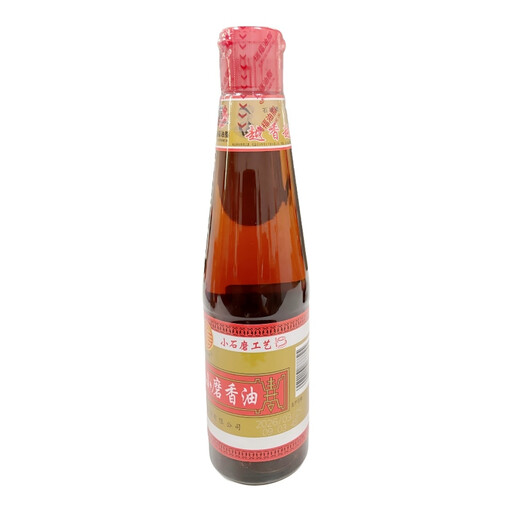
Why This Fits Their Persona: For the cook who values tradition and depth of flavour, this oil's production method sets it apart. It is for those seeking an authentic taste for traditional Chinese cold dishes, soups and sauces.
This is a premium, pure sesame oil. The focus on traditional stone-grinding ensures a complex flavour profile that cannot be replicated in mass-market blended oils.
Crafted using traditional stone-grinding techniques, it offers a uniquely rich and aromatic character that elevates dishes significantly.

Why This Fits Their Persona: This is for the cook who needs a specific flavour profile. It is ideal for making traditional black sesame desserts, specific dipping sauces or for those who simply prefer the deeper, earthier taste of black sesame.
It is explicitly a black sesame oil, ensuring you get the distinct, robust flavour required for certain recipes, rather than a generic "sesame" taste from an unspecified seed type.
Made from 100% pure black sesame, it offers an authentic and potent aroma that is essential for specific culinary applications where white sesame oil would not suffice.
We have compiled a complete, real-time list of products that fully satisfy these strict selection criteria and UK safety regulations.
It is not recommended. Toasted sesame oil has a low smoke point and a delicate flavour. Using it for high-heat cooking like a stir-fry oil will burn the oil, destroy its signature aroma and create a bitter taste. It is best used as a finishing oil—drizzled over dishes after cooking. For frying, use a neutral oil with a high smoke point.
The main difference is flavour. Regular sesame oil, made from white sesame seeds, has a clean, nutty taste. Black sesame oil is made from black sesame seeds and has a much bolder, earthier and more intense flavour. It is often used in specific dishes where this stronger character is desired.
Sesame oil should be stored in a cool, dark place away from direct sunlight and heat, as light and heat can cause it to become rancid. An unopened bottle can last for about a year. Once opened, it is a good practice to use it within 6-8 months for the best flavour. Some brands recommend refrigeration after opening to prolong freshness, so always check the storage instructions on the bottle.