
24/7 Customer Support

Free returns

Same-day & Next-day Delivery

Quality Guaranteed

Unlock Your Welcome Offers: FREE Delivery | Up to 80% OFF | Free 30-day JoyPlus trial
Download the APP
Choosing the best shampoo for damaged and thinning hair depends on whether your main concern is breakage, fine texture, scalp discomfort, dandruff or chemical processing. A shampoo can cleanse the scalp and improve how hair feels and looks, but it cannot diagnose or treat every cause of thinning.
For UK shoppers, the most useful approach is to compare the formula, scalp suitability, hair texture and bottle size rather than relying on dramatic before-and-after language.
Hair in the brush may be shedding from the root or snapping along the length. A strengthening shampoo, peptide shampoo or biotin shampoo may help hair feel more resilient and reduce the appearance of breakage, but this is different from treating medical hair loss.
If thinning is sudden, patchy or persistent, consider speaking to a GP or qualified healthcare professional rather than depending solely on an anti-hair-loss shampoo.
A sulphate-free shampoo may suit dry, curly or chemically treated hair, but “sulphate-free” does not automatically mean suitable for every sensitive scalp. Other cleansing agents, fragrance, essential oils and cooling ingredients can also affect comfort.
Always check the current ingredient list on the packaging. Formulas can change, and the product page may not reflect every packaging update.
Coconut oil, silicones, butters and conditioning polymers can make dry or coarse hair feel smoother. However, a highly conditioning shampoo may leave fine hair looking flat or greasy, particularly if the scalp becomes oily quickly. A volumising shampoo for fine hair should offer cleansing and light conditioning without an overly heavy finish.
For an oily scalp, look for a formula designed to remove sebum and styling residue without leaving a tight, uncomfortable finish. Ingredients such as salicylic acid or PHA may help lift surface build-up, but they can be unsuitable if your scalp is highly reactive.
Those with dryness or sensitivity may prefer a shampoo for sensitive scalp with moisturising ingredients such as glycerine or panthenol. Fragrance and menthol are worth noting: they can provide a fresh sensation, but may not suit everyone.
For visible flakes, a dedicated dandruff shampoo may be more appropriate than a general shampoo for dry scalp. Piroctone olamine and salicylic acid appear in some targeted scalp formulas. Follow the label directions and stop using a product if irritation develops.
Different ingredients support different hair concerns:
A 930ml or 1,000ml bottle may offer better value for regular household or salon use, but only if the formula suits your hair. Smaller 200–250ml bottles can be practical for trying a product before committing to a larger purchase.
Also consider whether the shampoo requires a matching conditioner or treatment to deliver the intended routine. A shampoo for chemically treated hair is usually only one part of a damage-management plan. Gentle washing, conditioner on the mid-lengths and ends, and reduced heat exposure can have a meaningful effect on day-to-day manageability.
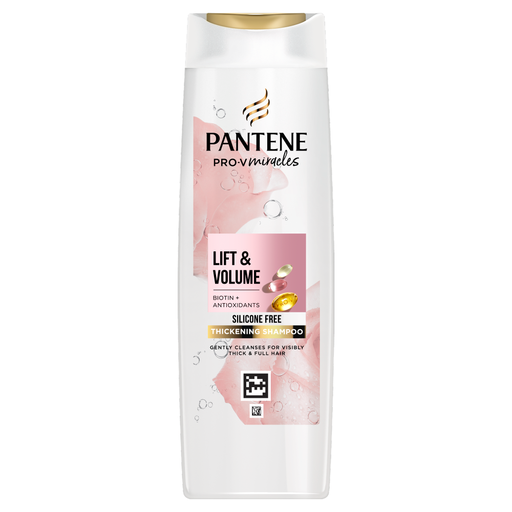
Why This Fits Their Persona: A 400ml format suits shoppers wanting a practical everyday shampoo for fine or flat-looking hair without starting with a salon-size bottle.
The product information identifies a silicone-free formula, which may appeal to people concerned about a heavy finish on fine hair. It still contains sodium laureth sulphate, so check compatibility with your scalp.
400ml size; includes biotin and panthenol; designed for lightweight volume and lift.
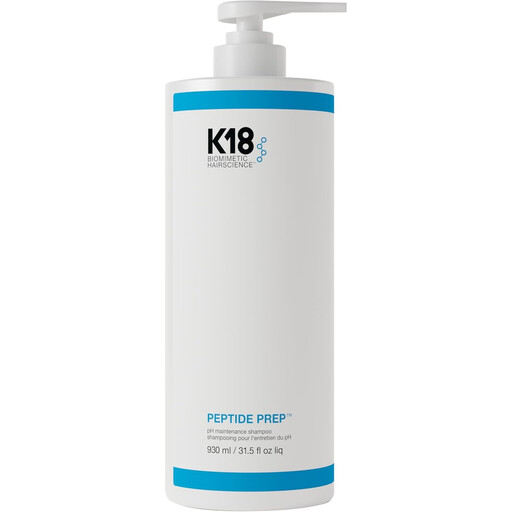
Why This Fits Their Persona: The large 930ml bottle is suited to frequent washers, households sharing shampoo or shoppers building a salon-style routine for damaged hair.
Its listed pH-balanced positioning gives shoppers a specific formula feature to assess rather than relying only on vague “repair” wording.
930ml capacity; includes sh-oligopeptide-78, panthenol and glycerine; intended for cleansing damaged hair.
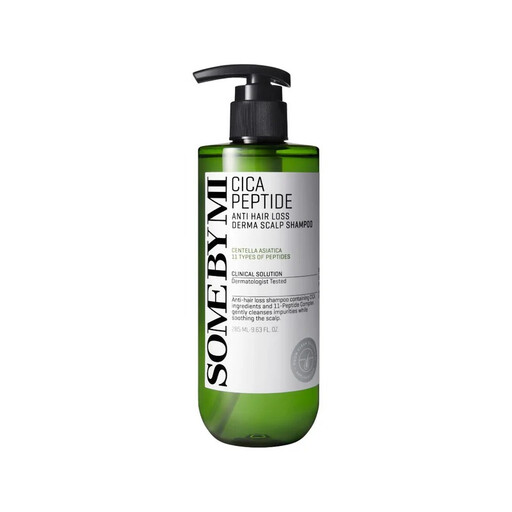
Why This Fits Their Persona: A targeted option for shoppers managing an oily, itchy or thinning-looking scalp who want a daily scalp-care format rather than a purely cosmetic smoothing shampoo.
The ingredient list specifies PHA-related gluconolactone, salicylic acid, peptides and biotin, allowing a more informed comparison. Menthol, fragrance and salicylic acid may not suit every sensitive scalp.
285ml pump bottle; silicone-free and mild-sulphate cleansing description; contains centella asiatica, multiple peptides and biotin.
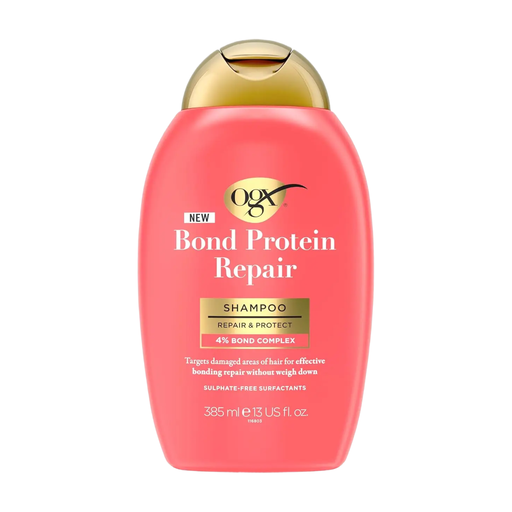
Why This Fits Their Persona: Suitable for shoppers looking for a shampoo for breakage, brittle lengths or hair affected by colouring, bleaching and regular heat styling.
Rather than relying on a generic repair label, the formula lists wheat protein, panthenol and hydroxypropylgluconamide with hydroxypropylammonium gluconate. These features should be judged alongside your hair’s response.
385ml size; sulphate-free surfactant system listed; includes protein, panthenol and conditioning ingredients.
We have compiled a complete, real-time list of products that fully satisfy these strict selection criteria and UK safety regulations.
A volumising shampoo for fine hair can remove excess oil and leave strands feeling lighter, which may make hair appear fuller temporarily. It cannot increase the number of hair follicles. Choose a lightweight formula and avoid applying heavy oils directly to the roots.
Usage depends on the product label and your scalp. A daily shampoo may be suitable for some users, while targeted dandruff or exfoliating formulas may be better used according to specific directions. Stop if burning, swelling or persistent irritation occurs.
Not automatically. Sulphate-free cleansing can be useful for some dry, curly or chemically treated hair, but the complete formula matters more than one ingredient category. Compare fragrance, conditioning agents, proteins, oils and your scalp’s tolerance before buying.