Dealing with hair that feels dry, brittle or damaged can be a constant source of frustration. Whether it's from heat styling, colouring or simply the effects of our unpredictable UK weather, finding a solution that genuinely helps can feel like searching for a needle in a haystack. The shelves are filled with products making bold claims, but which ones actually deliver?
As the Joybuy Product Recommendation Officer, my role is to help you navigate these choices. This guide is designed to provide clear, practical advice on what to look for in a shampoo for dry damaged hair, followed by a few of our top recommendations for 2026 that focus on effective ingredients and thoughtful formulations.
What to Look for in a Hair Repair Shampoo
Before jumping into product selections, understanding a few key features can empower you to make a better choice for your hair's specific needs.
1. Prioritise Moisturising Ingredients
When hair is dry, it lacks moisture and natural oils. The goal of a good moisturising shampoo is to cleanse gently while replenishing that lost hydration. Look for formulations rich in natural oils and butters.
- Argan Oil: Often called 'liquid gold', argan oil shampoo is popular for a reason. It's packed with fatty acids and vitamin E, which help to hydrate the hair, improve elasticity and add shine.
- Jojoba Oil: This oil's molecular structure is remarkably similar to the natural sebum produced by our scalp. This allows it to moisturise without leaving a heavy, greasy residue, making it excellent for both hair and scalp health.
2. Understand 'Free-From' Labels
You will often see labels like 'sulfate-free' or 'silicone-free'. These are particularly relevant for dry and damaged hair.
- Sulfate-Free Shampoo: Sulfates (like Sodium Lauryl Sulfate or SLS) are powerful detergents that create a rich lather. However, they can also strip the hair of its natural oils, which can worsen dryness and cause irritation for sensitive scalps. A sulfate-free shampoo uses milder cleansing agents that clean effectively without being overly harsh.
- Silicone-Free Shampoo: Silicones coat the hair shaft to give it a smooth, slippery feel. While this provides an instant cosmetic effect, some types of silicone can build up over time, weighing hair down and preventing moisturising ingredients from penetrating the hair fibre. Choosing a silicone-free shampoo can help your hair receive the full benefits of its nourishing ingredients.
3. Consider Sustainability and Your Hair Type
Many people with dry hair also struggle with frizz. A shampoo that effectively moisturises the hair cuticle will also be a great shampoo for frizzy hair, as it helps to smooth the hair's surface. Additionally, for those looking to make more conscious choices, brands offering larger refill sizes are an excellent way to reduce plastic consumption.
Our Top Product Recommendations
Here are a few shampoos that stand out for their formulations and approach to caring for dry, damaged hair.
Faith In Nature Jojoba Shampoo 5L

- Why It Stands Out: This shampoo is a standout for its commitment to natural ingredients and sustainability. With a 99.5% natural origin formula, it uses organic jojoba seed oil to gently cleanse and restore moisture. The 5-litre refill bottle is a practical, eco-conscious choice that significantly reduces plastic waste.
- Pros:
- Formulated with organic jojoba oil, ideal for dry hair and scalp.
- Free from parabens, SLS (sulfates) and silicones.
- Large 5L bulk size offers great value and is better for the environment.
- Features a base blend of rosemary, nettle and chamomile for scalp health.
- Who is it for?: This is an excellent option for the environmentally-conscious user seeking a gentle, natural shampoo for dry hair. It's perfect for households that want to buy in bulk and minimise their plastic footprint.
Herbal Essences Argan Oil Repair Shampoo

- Why It Stands Out: This argan oil shampoo brings together a high-street name with a focus on natural ingredients. The formula is 96% natural origin and features Argan oil certified by the plant experts at the Royal Botanic Gardens, Kew. It's designed to gently cleanse while restoring softness to damaged strands.
- Pros:
- Silicone-free and vegan formula.
- Enriched with Moroccan Argan oil to nourish and smooth hair.
- Aims to restore softness and shine to damaged hair.
- Features a pleasant, mood-boosting fragrance.
- Who is it for?: A great choice for someone looking for an accessible hair repair shampoo from a well-known brand that has embraced more natural, 'free-from' formulations.
OGX Renewing+ Argan Oil of Morocco Shampoo
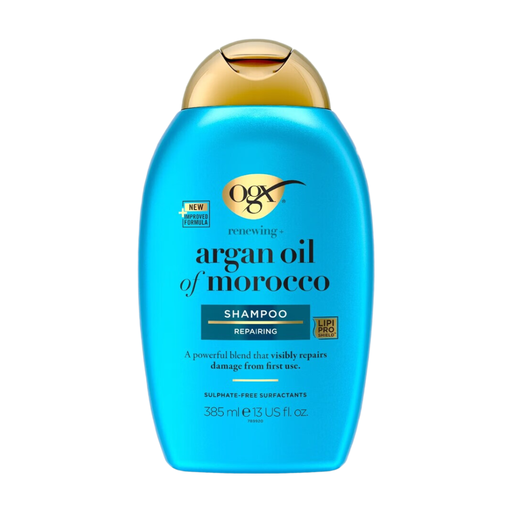
- Why It Stands Out: This shampoo is known for its rich, creamy lather, which it achieves using a sulfate-free surfactant system. Infused with cold-pressed Moroccan argan oil, it works to hydrate and soften hair, helping to smooth the cuticle and reduce the appearance of frizz.
- Pros:
- Gentle cleansing with a sulfate-free surfactant formula.
- Contains cold-pressed argan oil to help replenish moisture.
- Creates a rich, satisfying lather often missing in other sulfate-free options.
- Helps to leave hair feeling soft and more manageable.
- Who is it for?: This is a fitting choice for those with very dry, coarse or frizzy hair who want the gentle cleansing of a sulfate-free shampoo without giving up a luxurious, foamy washing experience.
Looking for Something Else?
While finding the right shampoo is a key step in your self-care routine, a holistic approach often yields the best results. If you're also looking to refine your skincare, particularly for managing combination or oily skin, you might find our selection of oil-free cleansers helpful. Explore the range to build a complete head-to-toe routine.
Frequently Asked Questions
1. How often should I wash dry, damaged hair? For most people with dry hair, washing 2-3 times per week is sufficient. Washing too frequently can strip away the natural oils your hair needs to stay hydrated. It's best to pay attention to how your hair and scalp feel and adjust accordingly.
2. Can a shampoo really repair damaged hair? A hair repair shampoo cannot permanently mend structural damage like split ends (which require a trim), but it can make a significant difference in the hair's look and feel. Moisturising formulas work by smoothing the outer layer of the hair (the cuticle), which reduces frizz, increases shine and helps protect it from further damage.
3. Is a sulfate-free shampoo better for dry hair? For many individuals with dry hair or a sensitive scalp, a sulfate-free shampoo is a gentler and more beneficial choice. Traditional sulfates are very effective cleansers, but their strength can sometimes strip away too much of the natural moisture that dry hair needs to retain.


