
24/7 Customer Support

Free returns

Same-day & Next-day Delivery

Quality Guaranteed

Unlock Your Welcome Offers: FREE Delivery | Up to 80% OFF | Free 30-day JoyPlus trial
Download the APP
Navigating the shampoo aisle can feel overwhelming. With countless bottles promising miraculous transformations, it's easy to end up with a product that doesn't live up to the hype, leaving your hair lacklustre and your wallet lighter. As a Joybuy Product Recommendation Officer, my role is to help you see past the marketing jargon and focus on what truly matters for your hair and scalp.
Many of us fall into common traps when buying shampoo. Understanding these can save you both money and frustration.
To make an informed choice, focus on two core parameters: the cleansing system and the active ingredients tailored to your hair concern.
The primary job of a shampoo is to clean. The ingredient responsible for this is the surfactant. Matching the surfactant to your scalp type is crucial.
Beyond cleansing, a good shampoo should contain ingredients that address your specific concerns.
Instead of a generic list, we've matched specific shampoos to common UK user profiles, helping you find a formula that aligns with your lifestyle and hair needs.
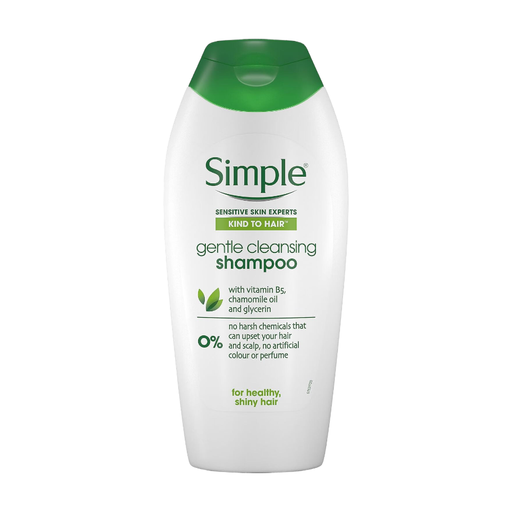
Why This Fits Their Persona: This user needs a reliable, non-irritating shampoo for frequent use. This formula is dermatologically tested and free from harsh chemicals, artificial colours and perfumes, making it a safe bet for easily aggravated scalps.
It sidesteps the "natural" illusion by focusing on what it *doesn't* contain. Its value lies in its gentle, minimalist formulation, not on exotic botanical claims.
Formulated with Pro-Vitamin B5, chamomile oil and glycerin to cleanse gently while maintaining hair health and shine, making it ideal for daily use.
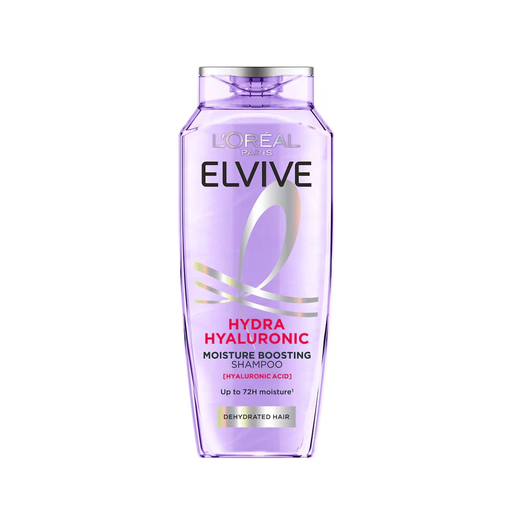
Why This Fits Their Persona: For someone battling dehydrated, lifeless hair, this shampoo offers a targeted solution. It leverages a popular skincare ingredient, hyaluronic acid, to provide a noticeable plumping and hydrating effect on hair strands.
It avoids the vague "repair" trap by focusing on a specific, verifiable mechanism: hydration. Instead of promising to fix damage, it plumps hair with moisture for a tangible improvement in look and feel.
Formulated with hyaluronic acid to provide long-lasting hydration for up to 72 hours, leaving hair looking bouncy and shiny without being weighed down.
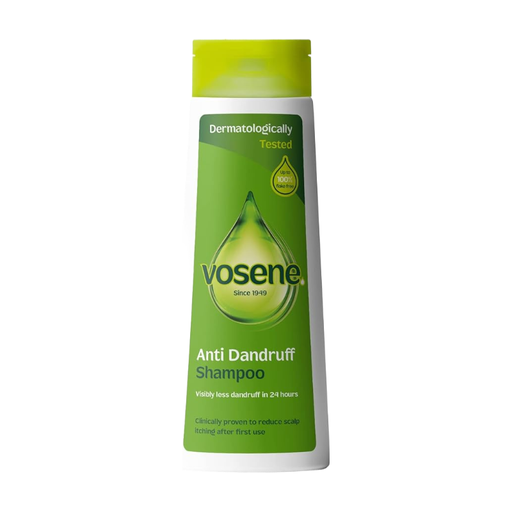
Why This Fits Their Persona: This user wants a no-nonsense, functional product that delivers on its promise to control dandruff. This shampoo is a classic UK choice for a reason: it uses a proven active ingredient to tackle flakes and scalp itchiness effectively.
It bypasses the marketing fluff of botanical blends and focuses on a functional, recognised active ingredient. Its purpose is clear and its formulation is designed to achieve one primary goal: dandruff control.
Contains Salicylic Acid, a highly effective ingredient for dandruff prevention that works from the first use to reduce flakes and soothe an itchy scalp.
We have compiled a complete, real-time list of products that fully satisfy these strict selection criteria and UK safety regulations.
This depends entirely on your scalp type. Those with oily scalps may find that daily washing is necessary to keep hair feeling fresh. Conversely, if you have a dry scalp or hair, washing 2-3 times per week is often sufficient to cleanse without stripping essential moisture. The key is to observe how your hair and scalp feel and adjust your routine accordingly.
Not everyone does. A sulphate-free shampoo is most beneficial for individuals with very dry, damaged, colour-treated or sensitive hair because its milder cleansing action helps preserve natural oils and hair colour. However, if you have a particularly oily scalp or use many styling products like waxes or serums, a traditional shampoo containing sulphates may provide a more effective clean to prevent buildup.
Standard cosmetic shampoos are formulated to cleanse the hair and scalp. While using the right shampoo can create a healthier scalp environment—which is conducive to healthy hair growth—they are not a medical treatment for hair loss conditions. If you are experiencing significant or concerning hair thinning, it is always advisable to consult a GP or a qualified trichologist to identify the underlying cause.